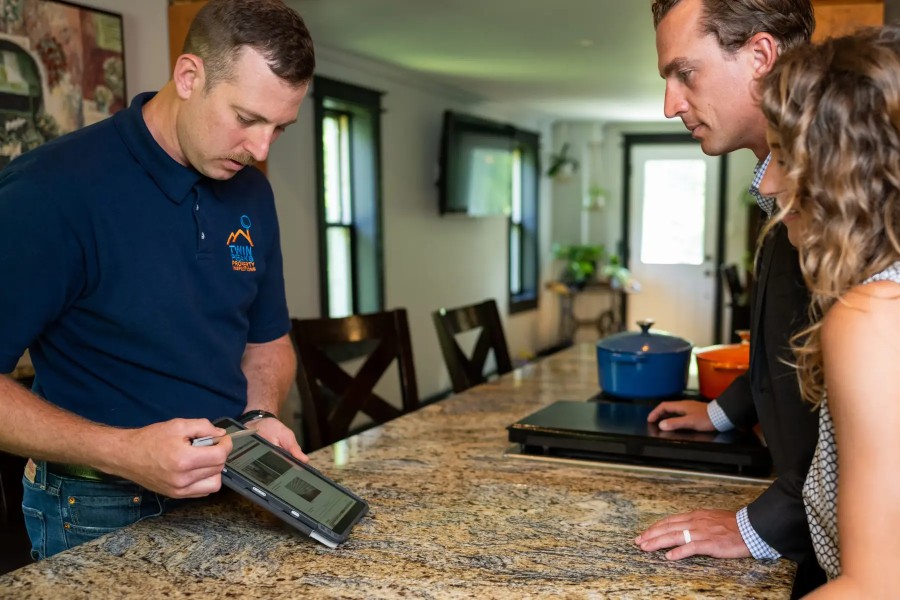
You’re getting ready to sell your home. The photos are booked, the paperwork is stacking up, and someone casually asks, “Have you done radon testing yet?” Suddenly, you’re staring at a $20 DIY kit online and wondering if that’s good enough—or if you really need to call in the pros. It’s a fair question, and one that comes up all the time during real estate transactions. Especially in areas where radon is common, sellers want to do the right thing without overcomplicating the process. Let’s walk through what actually matters, when a DIY kit works, and when professional help is the smarter play.
Why Radon Testing Becomes a Big Deal During a Sale
Radon is one of those issues that doesn’t care about curb appeal or fresh paint. Buyers are increasingly aware of the health risks, and agents know that radon questions can derail a deal if they’re handled poorly. That’s why radon testing in maryland has become a routine part of many home sales, even when it’s not legally mandated.
Here’s the kicker: it’s not just about getting a number. It’s about trust. Buyers want confidence that the test was done correctly and that the results reflect real living conditions. That’s where the DIY-versus-professional debate really lives.
What a DIY Radon Test Kit Actually Does
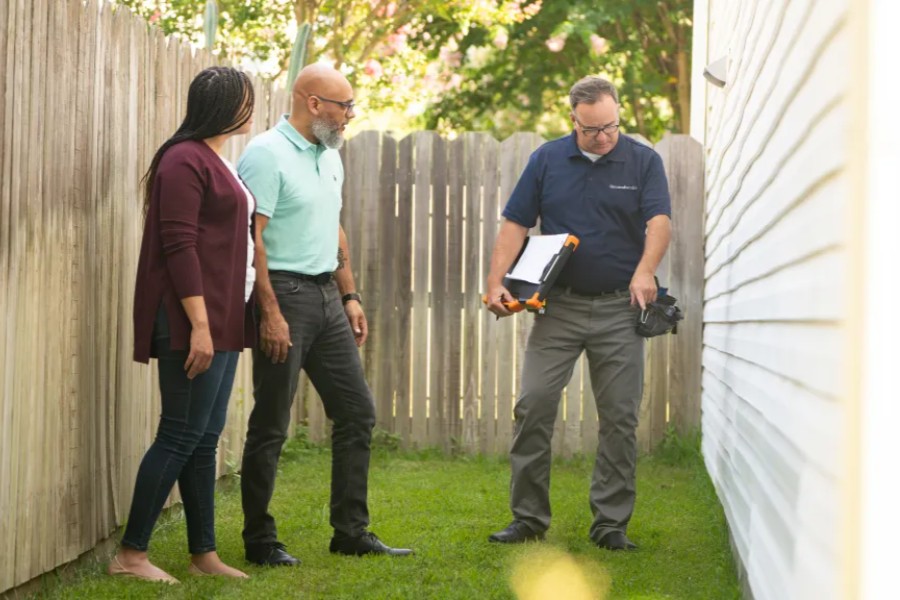
DIY radon kits are simple. You place the device in the lowest livable level of the home, wait a few days, and mail it to a lab. A week or two later, you get results. For homeowners who are just curious or doing a routine check, this can be perfectly reasonable.
In fact, many Home Inspectors in Howard County will tell you that DIY kits are a solid educational tool. They help homeowners understand their baseline radon levels and decide if further action is needed. The problem is that selling a home isn’t a casual situation. Stakes are higher, timelines are tighter, and scrutiny is real.
The Limitations Sellers Often Overlook
DIY kits are vulnerable to user error. Windows left open. Testing during unusual weather. Placing the kit too close to a draft or sump pump. Even small mistakes can skew results, and buyers or their agents may question the validity.
That’s why radon testing in maryland during a sale often follows stricter protocols than a casual homeowner test. Conditions need to be controlled. Documentation matters. Chain of custody matters. If a buyer challenges your DIY results, you may end up paying for a professional test anyway—after losing time and leverage.
What Professional Radon Testing Brings to the Table
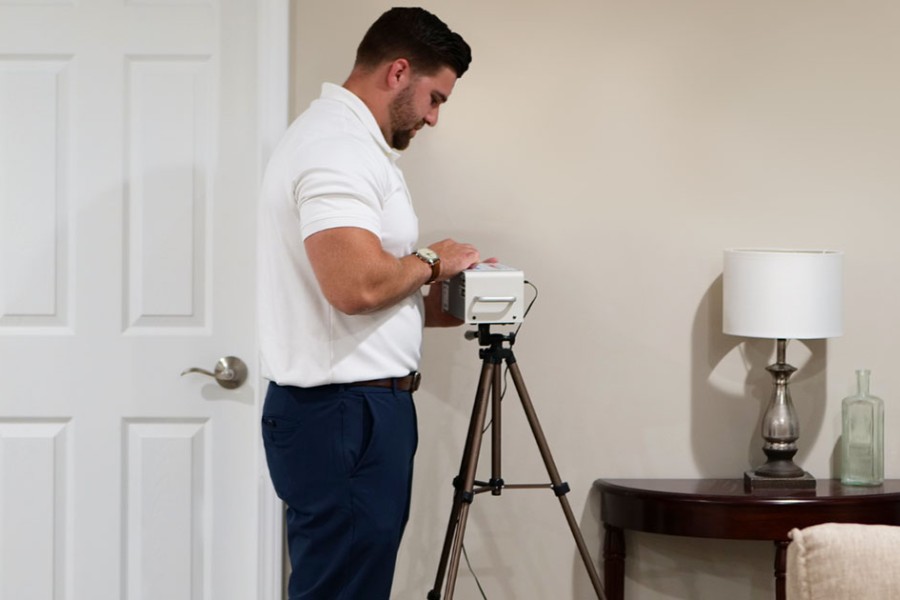
Professional radon testing uses calibrated continuous monitors, typically over a 48-hour period. The process is standardized, documented, and widely accepted in real estate transactions. This is the type of testing Home Inspectors in Howard County typically recommend when a home is being listed.
On the flip side, professional testing costs more upfront. But it also reduces friction later. When buyers see results from a certified provider, they’re less likely to push back or demand retesting. In competitive markets, that credibility can quietly protect your deal.
Can Buyers Reject DIY Results?
Short answer? Yes, they can. And often, they do. Many buyers feel more comfortable trusting a third-party professional with no emotional or financial attachment to the sale. In regions where radon testing in Maryland is common knowledge, buyers may expect professional results as a baseline, not a bonus.
Real estate agents also tend to prefer professional tests because they’re easier to defend. If a deal goes sideways, nobody wants to argue about whether a DIY kit was placed correctly. Home Inspectors in Howard County see this scenario play out regularly, especially when sellers try to cut corners.
When a DIY Kit Might Still Make Sense
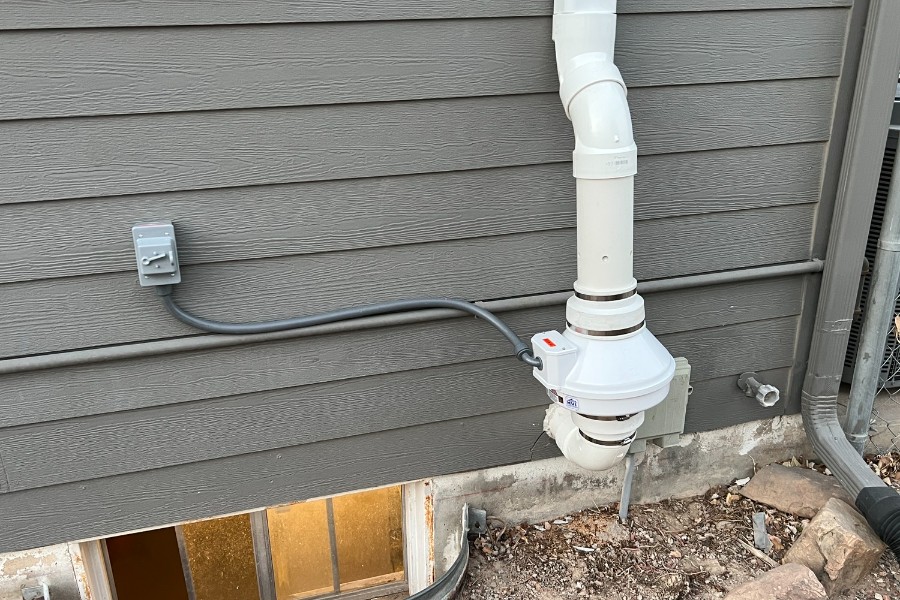
That being said, DIY kits aren’t useless. They can be a smart first step before listing. If you’re months away from selling, a DIY test can give you early insight. If results are low, great—you’ve gained confidence. If results are high, you have time to plan mitigation before buyers ever see the house.
Some sellers even use DIY tests as a screening tool, then follow up with professional radon testing in maryland closer to listing. This layered approach can reduce surprises and give you more control over timing and costs.
Timing Matters More Than You Think
Radon levels fluctuate seasonally. Winter tests often show higher levels due to closed-house conditions, which is exactly why professional testing protocols mimic worst-case scenarios. DIY kits used casually in summer may not reflect what buyers will see later.
Home Inspectors in Howard County often advise sellers to think strategically about timing. Testing under controlled, standardized conditions reduces the risk of disputes. And yes, that usually means professional testing when the home is actively on the market.
The Cost Comparison: Cheap Now vs. Expensive Later
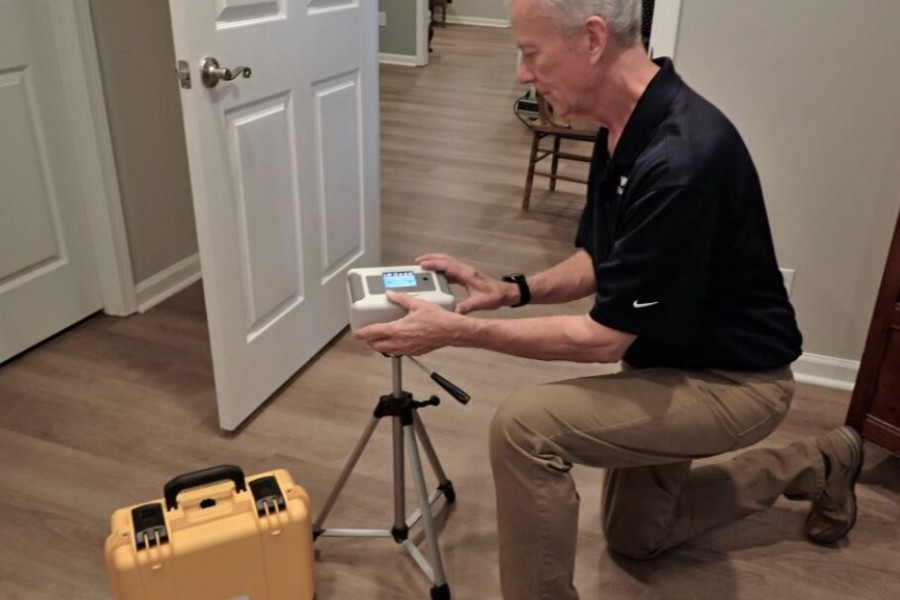
A DIY kit might cost $20 to $40. Professional testing might run a few hundred dollars. At first glance, the DIY option looks like a win. But if a buyer rejects your results and demands a new test—or worse, walks away—you’ve lost far more than the cost difference.
In areas where radon testing in maryland is part of buyer expectations, spending a little more upfront can actually save money. It streamlines negotiations and keeps the focus on closing, not re-testing.
What Most Real Estate Professionals Recommend
Talk to enough agents, and you’ll hear a pattern. Many encourage sellers to use professional radon testing from the start. It’s cleaner, faster, and easier to defend. Home Inspectors in Howard County often coordinate radon testing alongside general inspections, making the process efficient and well-documented.
That doesn’t mean DIY kits are “wrong.” They’re just better suited for personal knowledge than transactional proof. When money and timelines are involved, credibility becomes currency.
So, What’s the Best Move?
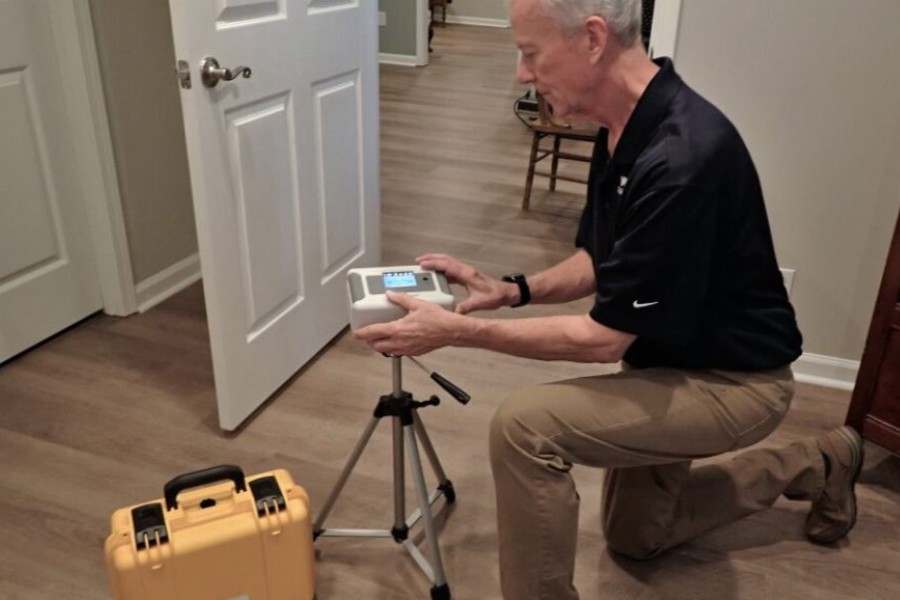
If you’re already selling—or about to list—professional testing is usually the smarter choice. It aligns with buyer expectations, reduces friction, and signals transparency. In competitive markets, that confidence matters more than saving a few dollars.
If you’re in the early planning stages, a DIY kit can be a helpful preview. Just don’t rely on it as your final word. Radon testing in maryland isn’t just about numbers; it’s about trust, timing, and presentation.
The Bottom Line for Sellers
You can use a DIY radon test kit, but whether you should depends on your goal. If your goal is personal awareness, go for it. If your goal is a smooth, drama-free sale, professional testing is usually worth the investment.
Between buyer expectations, seasonal variables, and negotiation dynamics, most sellers find that professional results carry more weight. And when Home Inspectors in Howard County are involved, that extra credibility can quietly keep your deal on track.