Many people picture auto wrecking yards as dusty paddocks filled with broken cars. That image misses the real story. For mechanics, these yards hold a wide range of working parts, solid materials, and useful knowledge. Each vehicle tells a story, and many of its parts still have long life left.
Auto wrecking yards play a strong role in the Australian automotive world. They support repairs, help cut waste, and keep older vehicles on the road. This article explains why these places matter so much to mechanics and why they deserve more respect.
Understanding What an Auto Wrecking Yard Really Is
An auto wrecking yard is a place where end-of-life vehicles are taken apart. Cars arrive after accidents, engine failure, age, or registration issues. Trained workers remove usable parts, drain fluids, and sort materials.
This work follows rules set by Australian environmental bodies. Harmful fluids such as oil, coolant, and fuel are removed before any part is sold or recycled. Metals, plastics, glass, and rubber then go through separate paths.
For mechanics, this process creates a steady supply of tested vehicle parts.
Why Mechanics Look Beyond Brand New Parts
Real Fit for Real Cars
Older vehicles often need parts that match exact models and years. Brand new parts sometimes fail to line up with older designs. Wrecking yards hold original components made for those cars.
These parts come from vehicles that once ran on Australian roads. That history matters. It shows how the part handles local weather, road conditions, and driving habits.
Materials That Still Have Strength
Many car parts are built to last longer than the car itself. Engines, gearboxes, alternators, starters, and body panels often stay sound even after a vehicle is written off.
Mechanics know that a used factory part can last longer than some new replacements. This knowledge comes from hands-on work, not guesswork.
Facts About Auto Recycling That Matter
Auto recycling is one of the largest recycling efforts in the world. Studies show that around 80 per cent of a car by weight can be reused or recycled. Steel, aluminium, and copper make up a large share of this number.
In Australia, millions of vehicles reach end-of-life each year. Wrecking yards stop these cars from filling landfill space. They also lower the need for new raw materials, which reduces mining and energy use.
For mechanics, this system keeps parts in circulation and supports long-term vehicle care.
How Wrecking Yards Support Mechanical Skill
Learning Through Inspection
A mechanic can learn a lot by seeing a part removed from a vehicle. It shows wear patterns, fitting points, and design choices. This kind of learning does not come from a box on a shelf.
By walking through a yard, mechanics can compare models side by side. They see how designs change over time and how parts evolve.
Problem Solving on the Job
When a car arrives with an issue, the answer is not always found in a manual. Wrecking yards allow mechanics to test ideas using real parts. This helps with fault finding and repair planning.
Cost Control Without Cutting Corners
Running a workshop involves many costs. Parts make up a large share. Wrecking yards help mechanics manage these costs while still using solid components.
Used parts also help car owners keep older vehicles running. Many Australians rely on cars that are ten or more years old. Without access to used parts, many of these cars would leave the road early.
This cycle supports both mechanics and drivers.
Environmental Responsibility in Daily Work
Mechanics see the results of waste every day. Broken parts, worn tyres, and drained fluids add up. Auto wrecking yards help reduce this waste.
By reusing parts, workshops cut down on packaging, shipping, and manufacturing demand. This reduces emissions linked to new part production.
Environmental care is no longer a side issue. It is part of daily mechanical work across Australia.
The Role of Car Removal Services
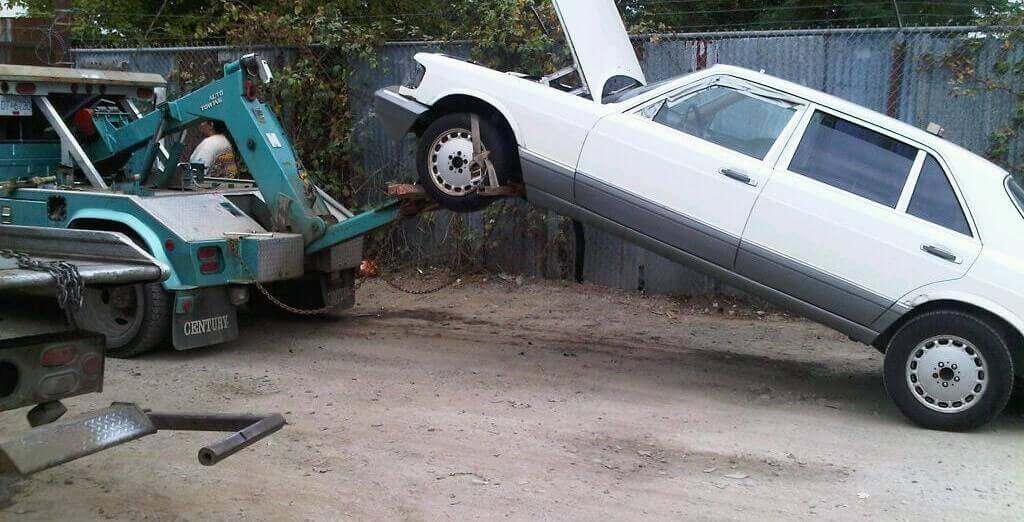
Before a vehicle reaches a wrecking yard, it often goes through a car removal process. This step collects unwanted vehicles from homes, worksites, or accident scenes. In areas like North Queensland, Car Removal Townsville services help move these vehicles into the recycling chain.
For mechanics, this system keeps the flow of parts steady. It also clears space in the community and supports safe disposal.
A Natural Connection to Local Wrecking Services
Local wrecking services often work closely with workshops. One example is North Coast Wreckers, which handles vehicle collection and dismantling in a way that supports part reuse and material recovery. When old cars are collected and processed with care, mechanics gain access to a steady range of parts that match local vehicle needs. This link between removal, dismantling, and repair helps keep many cars on the road and reduces waste across the region.
Trust Built Through Long-Term Use
Mechanics rely on what works over time. Wrecking yards earn trust through consistent supply and honest part grading. Parts are checked, stored, and labelled so workshops know what they are getting.
This trust builds over years of trade, not through words. It is based on engines that run well, panels that fit right, and components that last.
Why These Yards Deserve a New View
Calling a wrecking yard a graveyard ignores its real role. These places are closer to libraries of mechanical history. Each vehicle adds knowledge and parts that keep other cars moving.
For mechanics, auto wrecking yards are places of problem solving, learning, and smart resource use. They support repair culture in a time when replacement often seems easier.
Seeing their true worth helps both the trade and the wider community.
Final Thoughts
Auto wrecking yards are not piles of scrap. They are working spaces that support mechanics, protect the environment, and keep Australian vehicles running longer. With strong recycling facts, real-world learning, and steady part supply, these yards remain key to the automotive world.