

Pakistan is globally recognised as a leading producer of high-quality leather, combining centuries-old craftsmanship with modern tanning and manufacturing techniques. From premium leather bags and footwear to jackets and accessories, Pakistani leather products are exported worldwide for their durability, finish, and value.
This detailed guide explores the history of leather in Pakistan, the types of leather produced, how to judge leather quality, and a practical buying guide to help you choose genuine leather products with confidence.
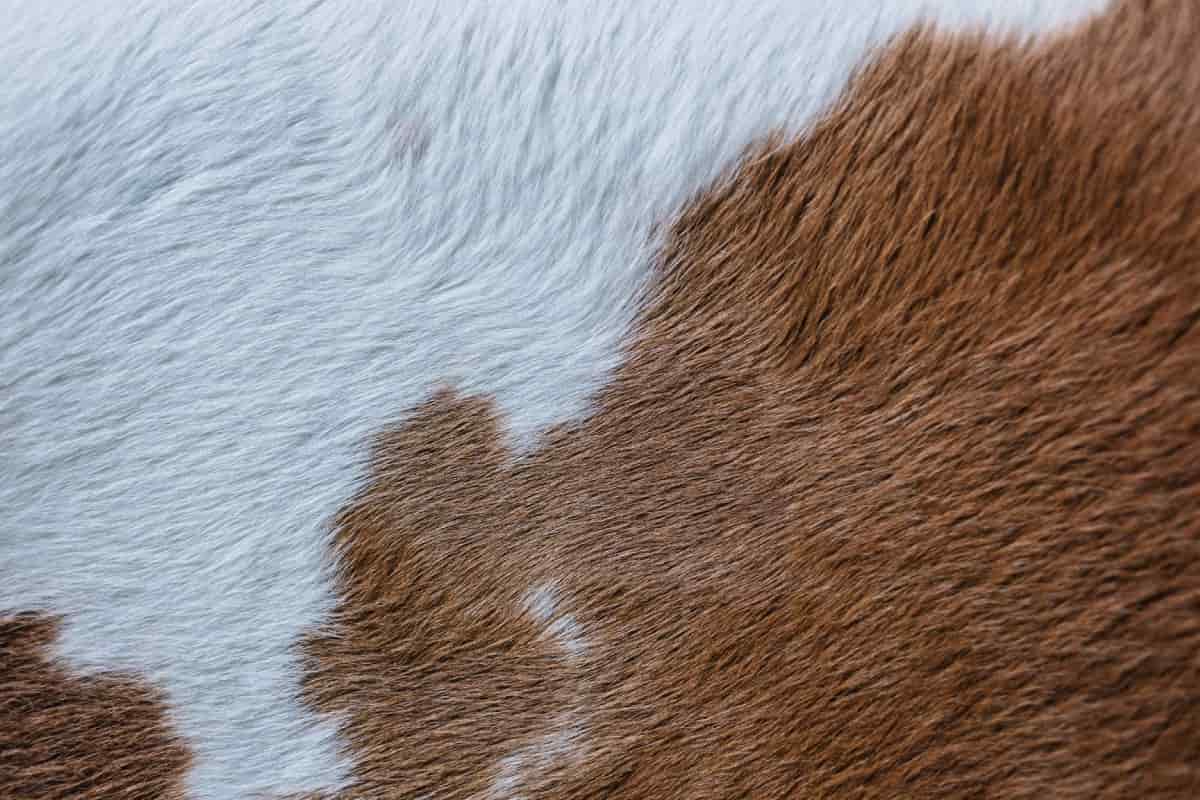
Pakistan produces a wide variety of leathers, each suited to different products:
Cowhide Leather
-
Thick, durable, and long-lasting
-
Ideal for bags, belts, shoes, and furniture
-
Most commonly used leather in Pakistan
Buffalo Leather
-
Heavier and tougher than cowhide
-
Excellent for travel bags, saddlery, and industrial use
-
Slightly rough texture but extremely durable
Goat Leather
-
Soft, flexible, and lightweight
-
Commonly used for jackets, wallets, gloves, and fashion accessories
-
Premium appearance with fine grain
Sheep Leather
-
Very soft and smooth
-
Best for leather garments and lining
-
Less durable than cow or buffalo leather
3. Leather Quality Standards in Pakistan
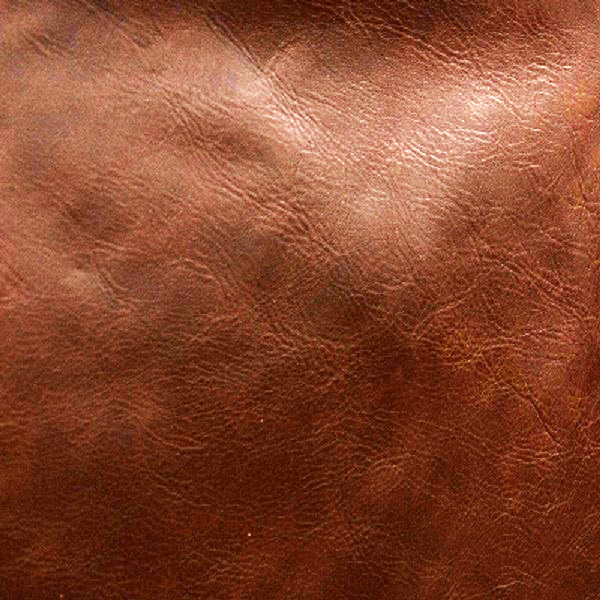
Pakistani leather is known for its natural strength, clean grain, and excellent finishing. Quality depends on the leather grade and tanning process.
Leather Grades
Full-Grain Leather
-
Highest quality leather
-
Natural grain, no heavy sanding
-
Ages beautifully and lasts for years
Top-Grain Leather
-
Slightly refined surface
-
Smooth, uniform look
-
Common in premium leather bags and wallets
Genuine Leather
-
Made from lower layers of hide
-
More affordable
-
Still real leather but less durable
Tanning Methods
-
Vegetable Tanning – eco-friendly, natural aging, rich color
-
Chrome Tanning – soft, water-resistant, widely used for fashion items
Many Pakistani manufacturers now follow international environmental and quality standards, increasing global trust in locally produced leather.
4. Why Pakistani Leather Is Famous Worldwide
Pakistani leather stands out because of:
-
High-quality raw hides from healthy livestock
-
Skilled artisans with generations of experience
-
Competitive pricing compared to Europe
-
Strong export infrastructure
-
Custom manufacturing and bulk production capability
This makes Pakistan a preferred sourcing destination for global fashion brands and wholesalers.
Check the Texture
Real leather has natural pores and grain variations. Perfectly uniform surfaces often indicate synthetic material.
Smell the Leather
Genuine leather has a distinct natural smell, unlike artificial leather which smells like plastic or chemicals.
Ask About Leather Type
Always confirm whether it is full-grain, top-grain, or genuine leather.
Inspect Stitching & Finish
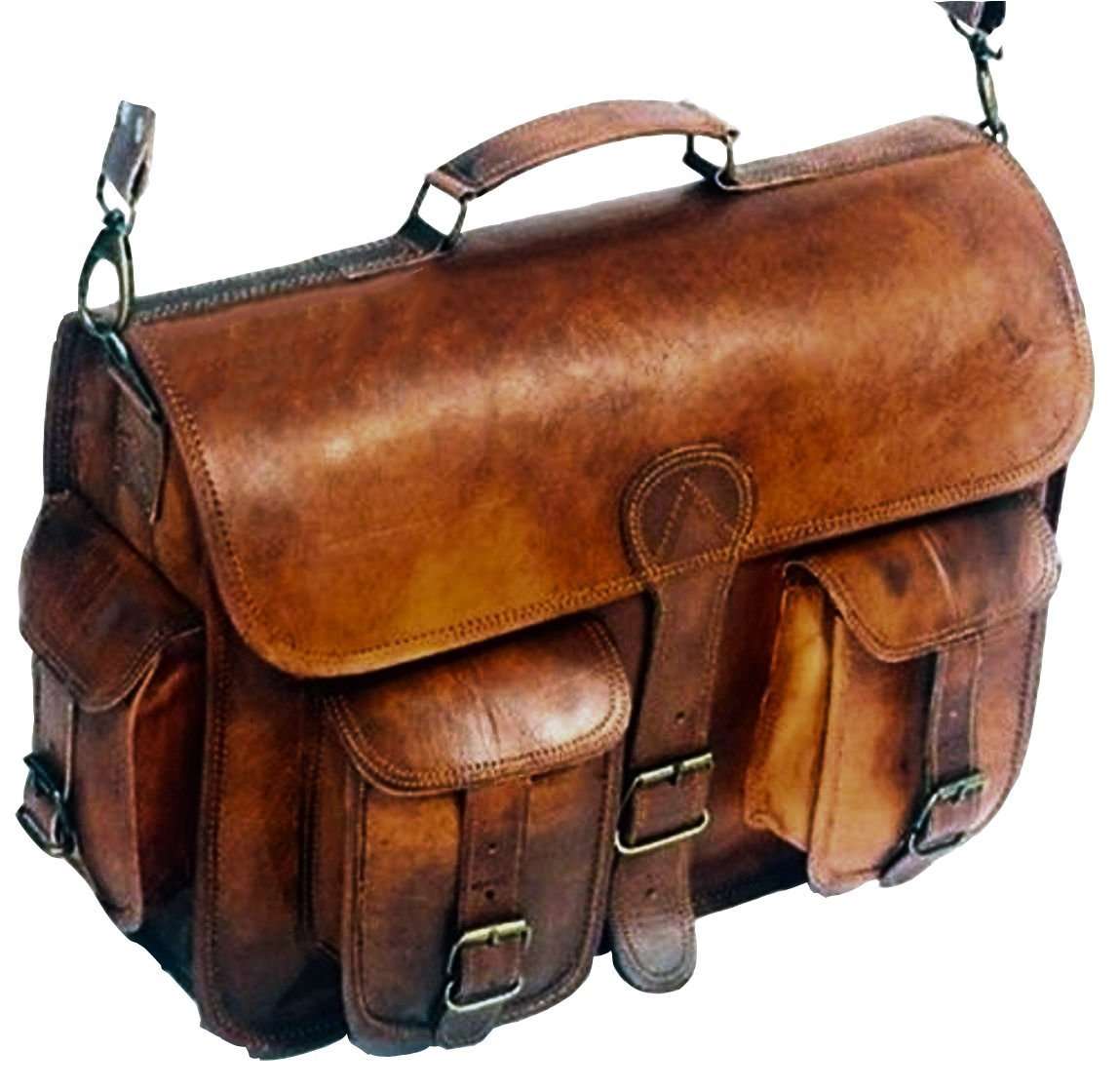
Quality Pakistani leather products feature:
-
Tight, even stitching
-
Clean edges
-
Solid metal fittings
Choose Reputable Sellers
Buy from:
-
Established leather brands
-
Export-quality manufacturers
-
Stores offering clear product descriptions and return policies
Price vs Quality
Very low prices often mean PU or bonded leather. Genuine leather may cost more but lasts significantly longer.