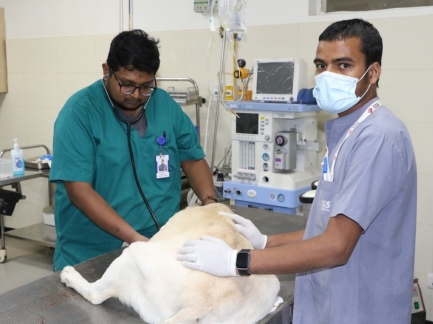
Pets can experience a wide range of health issues, some of which are difficult to detect without professional medical evaluation. While minor illnesses may show obvious symptoms, complex health conditions often develop gradually and require detailed diagnostic procedures to identify the underlying cause. Accurate diagnosis is essential for ensuring pets receive the right treatment and recover successfully.
Many pet owners struggle to understand unusual symptoms in their pets, such as sudden behavioral changes, unexplained weight loss, or recurring health problems. These signs may indicate deeper medical concerns that require expert assessment.
Facilities like a Veterinary Hospital play a crucial role in diagnosing complex pet illnesses by using advanced medical tools, laboratory tests, and professional expertise to identify health problems accurately.
Understanding Complex Pet Illnesses
Complex illnesses in pets often involve multiple symptoms or internal conditions that cannot be identified through simple observation. These conditions may affect various organs or systems within the body and require thorough investigation.
Some common examples of complex pet illnesses include:
- Chronic digestive disorders
- Hormonal imbalances
- Kidney or liver diseases
- Neurological conditions
- Immune system disorders
Diagnosing these conditions requires a systematic approach that combines clinical examinations with advanced diagnostic techniques.
Comprehensive Physical Examination
Evaluating Visible Symptoms
The diagnostic process usually begins with a detailed physical examination. Veterinarians carefully observe the pet’s posture, movement, skin condition, and overall behavior.
During the examination, the veterinarian may check vital signs such as heart rate, breathing patterns, body temperature, and weight. These observations help identify potential health concerns that require further investigation.
Reviewing Medical History
Understanding a pet’s medical history is an important part of diagnosing complex illnesses. Veterinarians often ask about previous illnesses, diet, vaccination records, and recent behavioral changes.
This information helps identify patterns or triggers that may be contributing to the current health problem.
Laboratory Testing
Laboratory diagnostics provide valuable insights into a pet’s internal health. Tests such as blood analysis, urine tests, and stool examinations help detect infections, organ dysfunction, metabolic disorders, and other underlying problems.
Blood tests, for example, can reveal abnormalities in liver function, kidney performance, or hormone levels. Urine tests help evaluate urinary tract health and detect potential infections or metabolic conditions.
Laboratory testing plays a critical role in identifying illnesses that may not show visible symptoms during a physical examination.
Diagnostic Imaging
Imaging technologies allow veterinarians to examine internal organs and tissues without invasive procedures. These tools are especially useful when diagnosing complex health conditions.
X-Rays
X-rays help identify fractures, tumors, foreign objects, or abnormalities in bones and internal organs. They are commonly used to diagnose injuries and structural issues within the body.
Ultrasound
Ultrasound imaging provides a detailed view of soft tissues and internal organs such as the liver, kidneys, and heart. This technique helps detect tumors, fluid buildup, and other internal abnormalities.
Diagnostic imaging allows veterinarians to visualize internal structures and confirm suspected medical conditions.
Specialized Diagnostic Procedures
In certain cases, veterinarians may recommend specialized tests to obtain more precise information about a pet’s condition. These procedures may include biopsies, hormone tests, or advanced imaging scans.
Biopsies involve collecting small tissue samples that are examined under a microscope to detect diseases such as cancer or severe infections.
Specialized diagnostics allow veterinarians to develop targeted treatment plans based on accurate medical findings.
Developing an Effective Treatment Plan
Once the illness has been accurately diagnosed, veterinarians create a treatment plan tailored to the pet’s specific condition. Treatment may involve medications, dietary changes, surgery, or ongoing monitoring depending on the severity of the illness.
Proper diagnosis ensures that treatment focuses on the root cause rather than just managing symptoms.
Veterinary hospitals also provide guidance to pet owners on how to care for their pets during recovery and manage long-term health conditions.
Pet owners seeking professional diagnostic support often rely on trusted providers like Vetic, where veterinary teams use advanced medical tools and expertise to diagnose and manage complex pet health conditions.
Conclusion
Diagnosing complex pet illnesses requires a combination of medical expertise, advanced diagnostic tools, and careful observation. Veterinary hospitals play a vital role in identifying hidden health problems through physical examinations, laboratory tests, imaging, and specialized procedures.
Accurate diagnosis allows veterinarians to provide effective treatments that improve recovery outcomes and support long-term pet health. Regular veterinary visits and prompt medical attention remain essential for ensuring pets receive the care they need to live healthy lives.