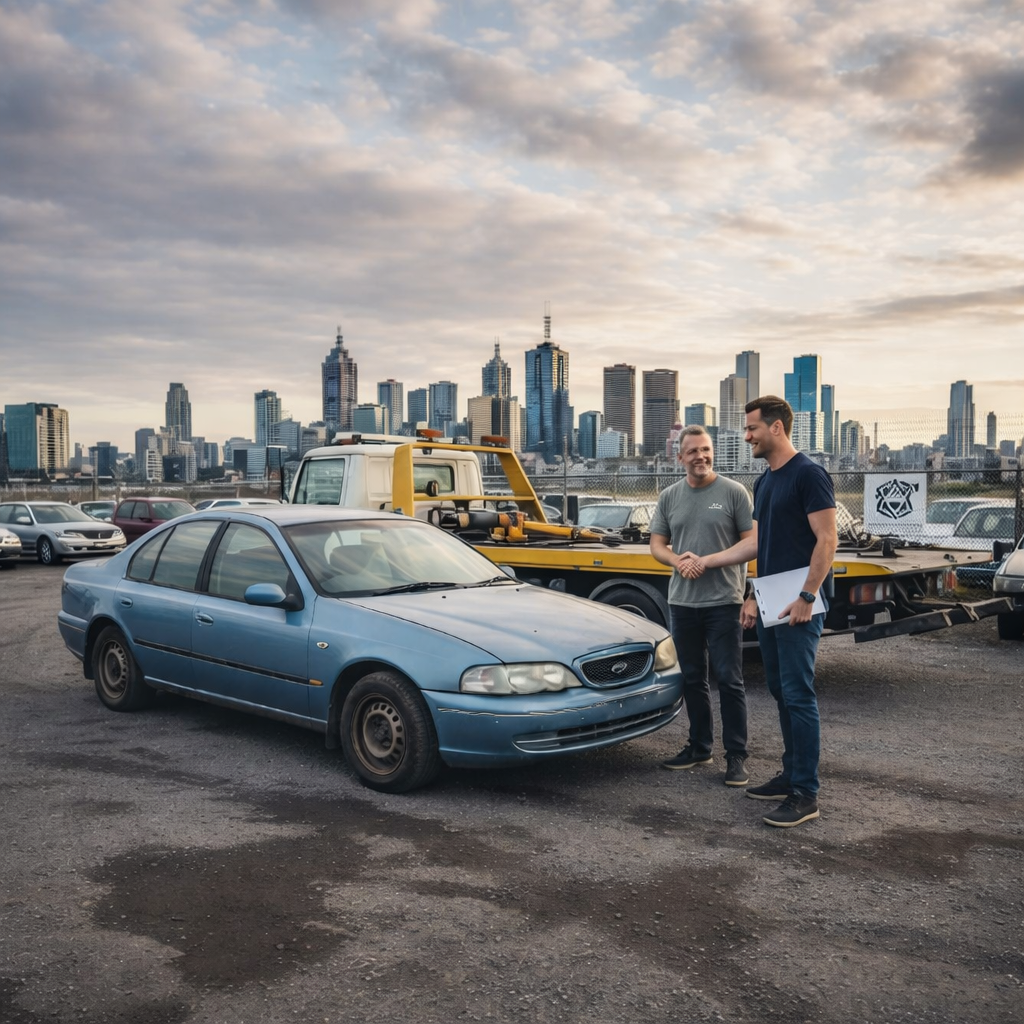
Selling a car that does not start can feel like a dead end. Many people assume a vehicle must be running to be sold. In Melbourne, this is not the case. Cars that no longer move under their own power are sold every day. Some have engine damage, others have electrical faults, and some have been sitting unused for years. Even in this condition, they still hold worth.
This guide explains how to sell an inoperable car in Melbourne in a clear and realistic way. It focuses only on what matters, avoids unnecessary detail, and keeps the process easy to understand.
What an Inoperable Car Really Means
An inoperable car is one that cannot be driven. It may not start at all, or it may start but fail to move. This can happen for many reasons.
Engine failure is one of the most common causes. A seized engine, cracked block, or severe overheating damage often makes repairs too costly. Electrical issues can also stop a car from starting. Problems with wiring, sensors, or control units are harder to diagnose and repair in older vehicles.
Accident damage is another factor. A car may look fine on the outside but have internal damage that makes it unsafe or impossible to drive. Long periods of inactivity can also cause a car to become inoperable. Flat batteries, rusted brakes, fuel system blockages, and worn seals are common in vehicles left unused.
Why Non-Running Cars Still Matter
Even when a car does not start, it is far from useless. Every vehicle contains materials that can be reused or recycled. Steel makes up a large part of a car’s weight. Aluminium, copper, and plastic are also present in significant amounts.
Many components may still work. Gearboxes, starter motors, alternators, radiators, wheels, and body panels often remain usable even if the engine has failed. Tyres, batteries, and catalytic converters are also valuable parts.
In Australia, vehicle recycling helps reduce landfill waste and lowers the need for raw materials. Industry studies show that a large part of a car’s structure can be recovered and reused through licensed dismantling and metal processing. Services linked to car removal victoria support this process by collecting inoperable vehicles, handling materials correctly, and keeping them out of landfill, which strengthens responsible reuse practices.
Knowing When Repair Is Not Worth It
Before selling, many owners consider repairs. This is understandable, but repairs do not always make sense. Older cars often need multiple fixes at once. Once labour and parts are added, costs rise quickly.
A simple comparison helps. Look at the total repair cost and compare it with the car’s worth if it were running. If repairs cost more than the vehicle’s likely resale amount, selling the car as it is may be the wiser choice.
Emotional attachment can also cloud judgment. A car may have served well for years, but holding onto it when it no longer works can lead to ongoing costs and lost space.
Preparing the Car for Sale
Preparation does not require mechanical work. It is mainly about organisation.
Start by locating ownership documents. This may include a registration certificate, purchase receipt, or transfer papers. These confirm the right to sell the vehicle.
Remove all personal belongings. Check under seats, inside door pockets, and in the boot. Cars that have not been used for a while often contain forgotten items.
Make a clear note of the car’s details. Include the make, model, year, fuel type, and the main reason it does not run. Honest descriptions help avoid issues later.
Understanding the Melbourne Market
Melbourne has a steady market for damaged and non-running vehicles. Buyers focus on parts recovery and recycling rather than road use.
Several factors influence what a car may return. Vehicle weight matters because scrap metal is priced by weight. Larger cars and four-wheel drives often contain more metal.
Demand for parts also plays a role. Common models may attract more interest due to the availability of matching vehicles needing spares.
Metal prices change over time, which affects offers. While sellers do not need to track market rates daily, it helps to know that prices can vary.
To learn more about our service, visit https://www.urgentcash4carz.com.au/melbourne/
How the Selling Process Usually Works
The process begins with sharing details about the car. This may be done online or over the phone. Photos can help but are not always required for non-running vehicles.
Once details are reviewed, an offer is made. If accepted, a collection time is arranged. Since the car does not move, it is usually collected using a tow truck or tilt tray.
On the day of collection, ownership documents are checked. The car is then loaded and taken away. Payment follows the agreed terms.
This process is designed for vehicles that cannot be driven, so there is no need to arrange transport yourself.
Legal Points to Keep in Mind in Victoria
Selling a car in Victoria requires clear ownership. If money is still owed on the vehicle, this must be settled before sale.
If the car is registered, plates may need to be returned to VicRoads. If unregistered, sellers should notify VicRoads once the vehicle has been sold. This prevents future issues with fines or notices.
It is also wise to keep a record of the sale. A simple receipt with the date, vehicle details, and buyer information is usually enough.
Environmental Reasons to Sell Instead of Store
Leaving a broken car unused can cause harm over time. Fluids such as oil, coolant, and brake fluid can leak into the ground. Batteries can degrade and release harmful substances.
Selling the car ensures it is dismantled correctly. Fluids are drained safely, and materials are sorted for reuse. Recycling metal uses far less energy than producing new metal from raw sources.
By selling an inoperable car, owners reduce waste and support better resource use within the community.
Choosing the Right Path Forward
Selling an inoperable car frees up space and removes an ongoing concern. It also avoids storage costs and council complaints about unused vehicles.
For those in Melbourne looking for the Best Cash For Cars Melbourne option, understanding the process helps set clear expectations and avoid confusion.
A non-running car still has a role to play. With the right approach, it can be sold responsibly and put back into the recycling cycle.
Final Thoughts
A car that does not start may feel like a burden, but it still holds purpose. Melbourne’s vehicle recycling network ensures that even damaged cars are put to use in some form.
By preparing the right documents, understanding how buyers assess vehicles, and knowing when repairs are not worth pursuing, owners can move forward with confidence.
Selling an inoperable car is not about fixing what is broken. It is about recognising what remains useful and taking a practical step forward.