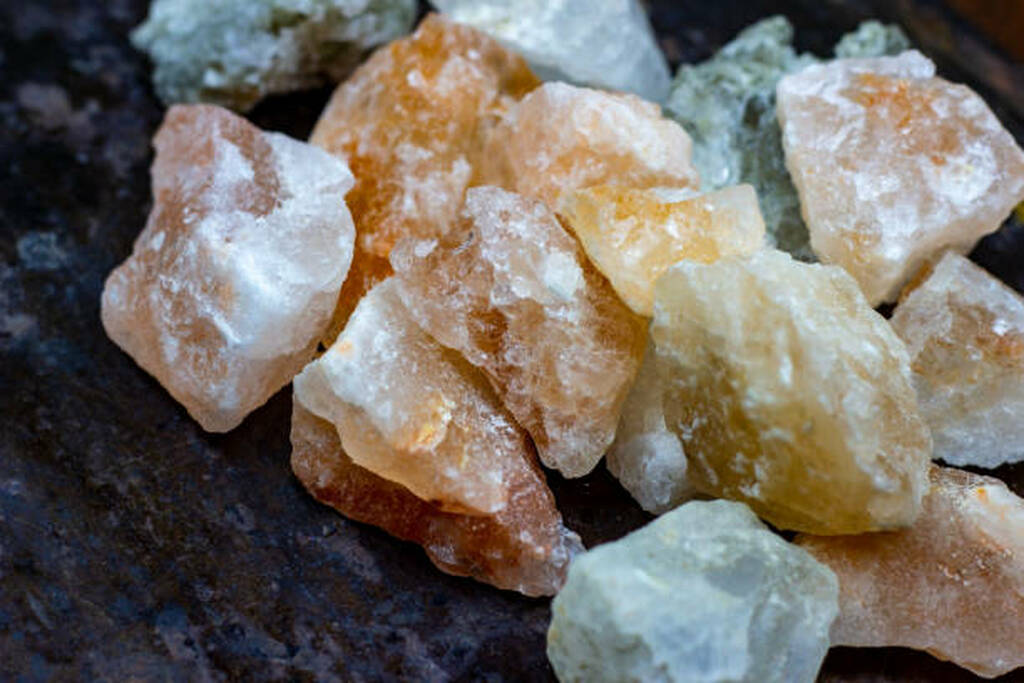
If you’ve been looking into sourcing pink salt in bulk, you’ve probably already heard that Pakistan is the place to go. And you’re right — the Khewra Salt Mine in Punjab is one of the largest and oldest salt mines in the world, making the country a natural hub for high-quality pink salt at competitive prices. But knowing where to look and how to navigate the process can feel overwhelming, especially if you’re new to international trade.
This guide breaks down everything you need to know to find affordable Himalayan salt wholesale Pakistan deals without compromising on quality or getting caught off guard by hidden costs.
Understanding the Himalayan Salt Market in Pakistan
Before diving into sourcing strategies, it helps to understand the structure of the market you’re entering. Pakistan’s pink salt industry is large, layered, and surprisingly complex for what seems like a straightforward commodity.
How the Supply Chain Works
The journey from mine to buyer typically looks like this: raw salt is extracted from the Khewra mine (and a few other smaller mines in the Punjab region), then processed by local factories into various product forms — lamps, cooking slabs, fine granules, coarse grains, bath salts, animal lick blocks, and more. These factories sell either directly to exporters or to trading companies who handle the logistics of getting products overseas.
This layered structure means there are multiple points at which you can enter as a buyer. You can purchase from a factory directly, work with a trading company, or go through an export agent. Each option has trade-offs in terms of pricing, minimum order quantities, and the level of support you’ll receive as a buyer.
Why Prices Vary So Much
If you’ve already started browsing supplier listings, you’ve probably noticed that prices for the same product can vary wildly. A kilogram of pink Himalayan salt might be quoted at anything from $0.20 to $1.50 depending on the source, the grade, the processing level, and even the time of year. This variation is completely normal. Factories typically offer lower per-unit pricing but require higher minimums, while trading companies may charge more but offer flexibility in quantities. Understanding where you sit in terms of budget and volume will help you figure out which tier of supplier is right for you.
Where to Find Reliable Suppliers
Finding the right supplier is the heart of any successful bulk sourcing strategy. The good news is that there are multiple legitimate channels through which you can identify and vet Himalayan salt wholesale Pakistan suppliers.
Online B2B Marketplaces
Platforms like Alibaba, Trade Key, and Global Sources host hundreds of Pakistani salt exporters. These are often the first stop for new buyers, and for good reason — you can browse listings, compare prices, read reviews, and contact multiple suppliers in a single session. When using these platforms, look for suppliers with verified status, a track record of completed transactions, and detailed product listings that include specifications, certifications, and clear packaging options.
Be cautious of listings with vague descriptions or no certifications listed. A serious exporter will typically have documents ready to share, including food-grade certifications, lab test reports, and export licenses.
Trade Directories and Export Boards
Pakistan’s Trade Development Authority (TDAP) maintains directories of registered exporters across various industries, including minerals and salts. This is a useful resource because suppliers listed here have at least a baseline level of registration with the government. The Small and Medium Enterprises Development Authority (SMEDA) is another body that can point you toward verified businesses.
Trade Shows and Industry Expos
Attending international trade fairs — even virtually — can connect you with multiple Pakistani exporters in one place. Events like the Canton Fair, Gulfood, or sector-specific mineral expos often feature Pakistani exhibitors. These settings are ideal for building relationships, comparing product samples side by side, and negotiating deals in person.
Direct Factory Outreach
If you’re comfortable doing some legwork, reaching out directly to factories in the Khewra and Jhelum regions of Punjab can yield the best pricing. You can often find factory contact details through LinkedIn, local Pakistani business directories, or even Google Maps listings. This approach requires more time investment upfront but can result in significantly lower costs, especially for large volume orders.
How to Evaluate and Negotiate with Suppliers
Once you’ve identified a few potential suppliers, the real work begins. Evaluating and negotiating with international vendors requires attention to detail and a clear understanding of what you actually need.
Requesting Samples Before Committing
Never skip the sample stage. Any reputable supplier offering Himalayan salt wholesale Pakistan products will be willing to send you samples — usually for a small fee that may or may not be refundable against your first order. When your samples arrive, check for consistent color, appropriate grain size, absence of foreign particles, and — if possible — have them tested by an independent lab for purity and sodium chloride content. Authentic Himalayan pink salt should contain no less than 96–99% sodium chloride, with the remaining percentage made up of trace minerals.
Understanding Pricing Components
When a supplier quotes you a price, clarify whether it’s EXW (Ex-Works), FOB (Free on Board), or CIF (Cost, Insurance, and Freight). These terms have significant implications for your total landed cost. FOB pricing means the supplier is responsible for getting the goods to the port, but you pay for ocean freight and insurance from there. CIF pricing includes those costs. EXW pricing means you’re responsible for everything from the factory door onward.
Always calculate your total landed cost — including freight, customs duties, port handling, and last-mile delivery — before finalizing any deal.
Negotiating Minimum Order Quantities
Most factories will have a minimum order quantity (MOQ) that can range from one metric ton to twenty or more. If you’re a small buyer, this can feel like a barrier, but MOQs are often negotiable, particularly if you’re willing to commit to regular repeat orders or if you place your initial order during a quieter season. Don’t be afraid to ask.
Key Quality and Compliance Considerations
Getting a good price is important, but ensuring your product meets your market’s quality and regulatory standards is non-negotiable.
Certifications to Ask For
Depending on where you’re selling, you may need your supplier to provide specific certifications. For food-grade salt sold in the EU or US, look for ISO 22000 or HACCP certification. Organic claims require separate certification. For cosmetic-grade salt, different standards apply. Always verify that your supplier’s certifications are current and issued by a recognized third-party body.
Packaging and Labeling Requirements
Different markets have strict rules around labeling, including ingredient lists, country of origin declarations, and net weight. Ensure your supplier can accommodate custom packaging and that their printed materials comply with your destination market’s regulations. Many Pakistani exporters can handle private-label packaging, but you should provide detailed specifications in writing.
Even experienced importers make mistakes when sourcing Himalayan salt wholesale Pakistan for the first time. Here are a few traps worth knowing about:
Common Pitfalls to Avoid
- Skipping due diligence on supplier credentials: Always verify business registration and export licenses.
- Ignoring logistics costs: A rock-bottom unit price means nothing if freight costs blow your budget.
- Assuming all pink salt is the same: Quality varies significantly between suppliers and even between batches from the same supplier.
- Overlooking payment security: Use trade finance tools like letters of credit or escrow services for first-time transactions.
Final Thoughts
Sourcing pink salt from Pakistan can be a highly profitable venture when approached methodically. The country’s vast reserves, established export infrastructure, and competitive pricing make it one of the best places in the world to buy in bulk. Take your time vetting suppliers, always request samples, understand your true landed costs, and build relationships rather than just chasing the lowest quote. With the right approach, you’ll be well-positioned to secure a reliable supply at a price that works for your business.