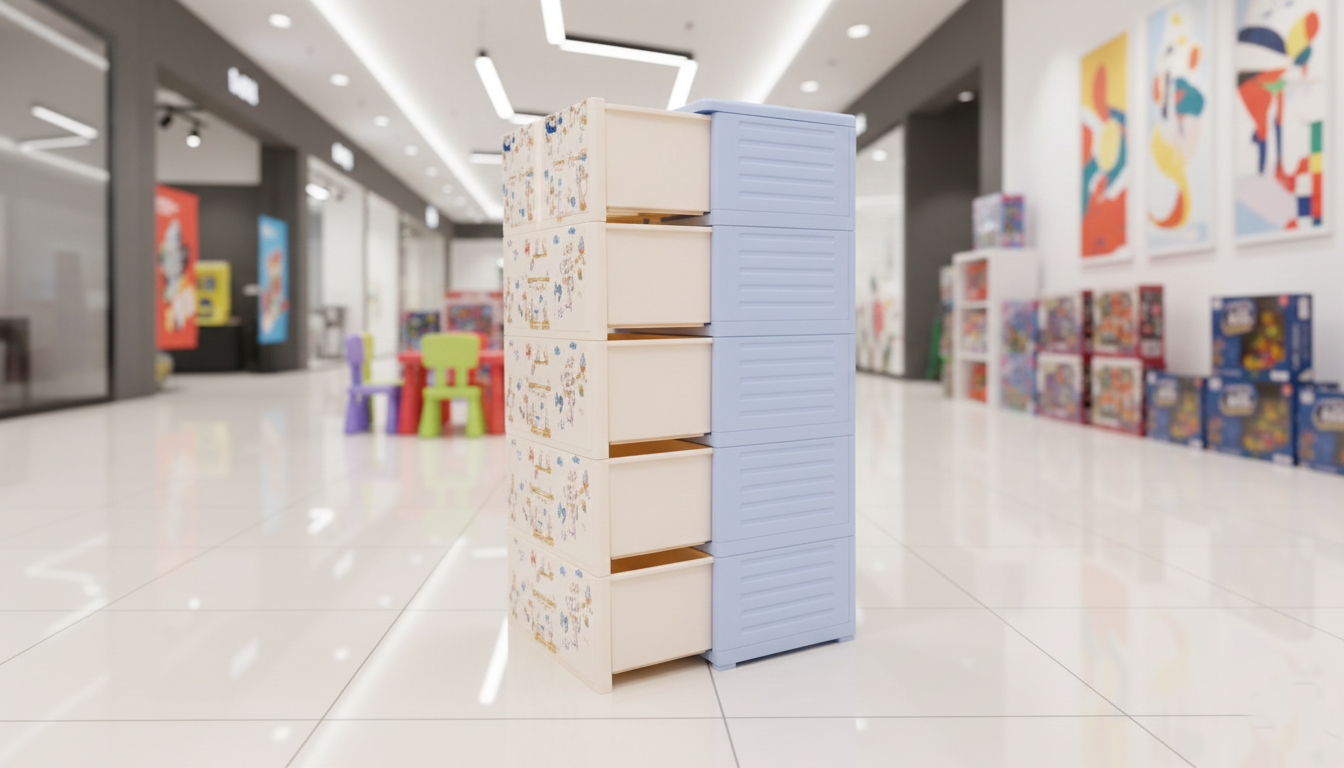
Furniture for Kids is more than just small chairs and tables it shapes how children interact with their surroundings, encourages independence, and influences learning habits. Observing toddlers and preschoolers around their dedicated furniture shows a remarkable transformation in how they explore, organize, and engage in activities. From kids study tables to tiny storage units, the right setup enhances focus, creativity, and social skills while supporting daily routines.
Providing children with furniture that suits their size and needs allows them to navigate spaces confidently. Playtime becomes structured yet imaginative, and learning moments appear naturally in daily activities. Choosing age-appropriate furniture ensures safety, comfort, and fun, making it a worthwhile investment in a child’s development.
Why Size Matters in Furniture for Kids
The most noticeable difference when children use small furniture is ease of access. Standard adult-sized furniture can create physical barriers that limit movement, making toddlers dependent on adults to reach toys, books, or art supplies.
With appropriately sized furniture:
- Children can sit comfortably without dangling legs.
- They can reach their study table or activity desk independently.
- Toys and art materials become fully accessible, encouraging exploration and problem-solving.
Independence is a critical skill in early childhood, and small furniture fosters confidence by allowing children to interact with their environment on their own terms.
Enhancing Play Through Dedicated Spaces
Small furniture transforms ordinary play into structured learning opportunities. A child-sized table becomes more than a surface it is a stage for creativity. Kids study tables offer a place to draw, build blocks, and complete simple educational activities while maintaining focus. Storage solutions within reach help children sort and organize toys, which teaches responsibility and sequencing skills.
Parents often notice that when children have a dedicated space, mess and clutter reduce naturally. A room with furniture sized for children encourages tidiness and organization without constant adult intervention.
Learning Through Comfort and Accessibility
Comfortable furniture that fits a child’s body supports longer periods of concentration. Whether coloring, reading, or playing with building blocks, children remain engaged when their seating and desk height match their proportions.
- Small chairs support proper posture and reduce strain.
- Study tables positioned at the right height prevent slouching and promote focus.
- Integrated storage encourages self-directed learning, as children can access pencils, books, or building blocks without help.
This accessibility makes learning feel natural rather than forced, turning play into skill-building opportunities.
Comparison: Standard vs Small Furniture for Kids
| Feature | Standard Furniture | Small Furniture for Kids |
|---|---|---|
| Size Fit | Designed for adults | Tailored to child’s height and reach |
| Independence | Limited, needs adult help | High, encourages self-sufficiency |
| Safety | Higher risk of falls or strain | Designed for stability and balance |
| Engagement | Short attention span | Encourages longer play and focus |
| Accessibility | Items often out of reach | Toys and study materials easily accessible |
This table highlights why investing in small furniture directly impacts learning and confidence in children.
Safety and Durability Considerations
Children interact with furniture differently than adults. They climb, lean, and move rapidly, which means furniture for kids should prioritize stability and safety:
- Rounded edges to prevent bumps and bruises
- Sturdy construction to handle active play
- Non-toxic materials safe for toddlers and preschoolers
Choosing quality furniture reduces accidents and ensures longevity, making it a practical and secure addition to any playroom or study area.
Encouraging Social Skills Through Furniture Arrangement
Small tables and chairs facilitate collaborative play. Group seating arrangements allow children to work on art projects together, build towers with blocks, or role-play scenarios. By sharing space and materials, children develop communication skills, empathy, and patience.
Furniture that supports cooperative play helps children transition from individual activities to group tasks, a critical skill as they grow and interact in school environments.
Integrating Learning Tools with Furniture
A kids study table is not just a desk it is a mini learning center. Organizing stationery, books, and educational toys within reach allows children to practice self-directed learning. Play-based educational tools, such as puzzles or alphabet blocks, become part of daily routines, fostering early literacy, numeracy, and problem-solving abilities.
Accessible furniture ensures children develop a sense of ownership over their learning space, which is important for cultivating responsibility and autonomy.
Minimal Bullet Tips for Parents Choosing Kids Furniture
- Measure your child’s height and arm reach to ensure comfort.
- Choose lightweight furniture for easy movement and reorganization.
- Look for multifunctional pieces combining storage and seating.
- Prioritize durable, non-toxic materials to withstand active use.
- Select furniture that grows with your child, such as adjustable chairs or desks.
Fostering Creativity and Imagination
Children often use furniture as more than intended. A kids study table can transform into a market stall, a craft station, or a command center for imaginative games. Furniture for kids encourages creativity because children feel empowered to use space independently. Play areas with well-sized furniture provide boundaries that inspire imaginative thinking without limiting freedom.
Real-Life Example of Learning With Small Furniture
A preschooler using a child-sized desk spent a morning arranging building blocks while pretending to construct a city. Each level of blocks represented a new learning opportunity: balance, symmetry, and planning. Nearby, a storage unit allowed quick access to additional materials. By the end of the session, the child not only completed the city but also practiced problem-solving and hand-eye coordination.
This scenario shows how small furniture transforms everyday play into structured learning and developmental growth.
Why Parents Prefer Dedicated Kids Furniture
Parents notice improvements in behavior and focus when children use appropriately sized furniture. Mealtime, art sessions, and study periods become more productive because children can manage their space independently.
Moreover, a dedicated area reduces dependency on parents for simple tasks like fetching toys or cleaning up. This teaches responsibility while encouraging self-confidence, making furniture an integral tool in early childhood development.
Finding Quality Furniture for Kids
Reliable retailers provide detailed information about Toys for Kids and small furniture suitable for toddlers and preschoolers. Products like kids study tables combine durability, ergonomic design, and accessibility. Checking reviews, weight and age recommendations, and materials ensures a safe and practical choice. Investing in quality furniture not only supports children’s development but also provides parents with peace of mind.
Conclusion: How Small Furniture Shapes Play and Learning
Small furniture for kids changes the way children interact with their environment. Properly sized chairs, study tables, and storage solutions encourage independence, creativity, and problem-solving. By giving children furniture that fits their bodies and abilities, parents create spaces that are safe, engaging, and developmentally supportive. From early motor skills to cooperative play and imaginative learning, every piece of furniture contributes to a child’s growth. Parents who observe, select carefully, and prioritize comfort and safety allow furniture to become more than just objects it becomes a bridge to learning and confidence in daily play.
Visit for news and updates at mydailyblog.org