Every time a vehicle enters or exits a gated community in Orlando, it generates data. The timestamp, the gate used, the credential type, and in many systems, the direction of travel. For communities with hundreds of daily entries, that adds up to thousands of data points per week and tens of thousands per month.
Most of that data is never reviewed. It sits in a system log that no one opens unless there is an incident, and even then, the format is often too disorganized to produce a useful answer quickly. The result is that Orlando HOA boards are making decisions about gate schedules, vendor access windows, staffing levels, and security policies without referencing the entry data their own systems are already collecting.
Automatic number plate recognition Orlando changes this by capturing vehicle-specific data, plate number, time, date, and gate location, and organizing it in a searchable, cloud-based dashboard that property managers and board members can access from any device.
What LPR Data Actually Contains
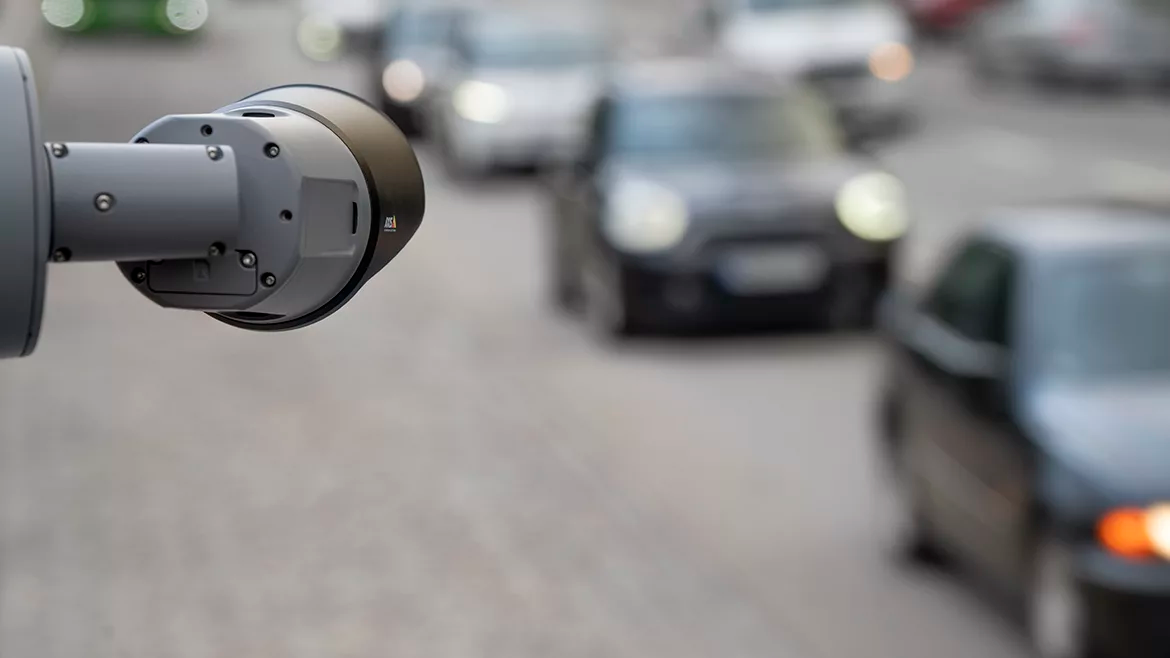
A license plate recognition camera Orlando HOAs mounted at a community gate reads the plate of every vehicle that passes. That read is matched against a registered database of resident, vendor, and guest vehicles. If the plate is recognized, the gate opens. If it is not, the system flags the entry or denies access based on the community’s configured rules.
But the value extends beyond the gate transaction itself. Over time, the system builds a complete record of vehicle activity across the community. This record includes which plates entered and exited on any given day, the exact time of each transaction, which gate was used, and whether the vehicle was pre-authorized or flagged.
For a 300-home community with two entry points, a single month of LPR data can reveal traffic patterns that would take weeks of manual observation to identify.
How Boards Can Use This Data
The most immediate use is incident response. When a resident reports a break-in, vandalism, or a suspicious vehicle, the property manager can search the LPR log by date and time range to identify every plate that entered the community during that window. This replaces the typical board response of reviewing security camera footage frame by frame, which is time-consuming and often inconclusive if the camera angle does not capture the plate.
Beyond incidents, LPR data supports operational decisions that boards typically make based on anecdotal feedback rather than evidence.
Gate scheduling is one example. Boards often debate whether to keep a secondary gate open during off-peak hours. LPR data shows exactly how many vehicles use that gate per hour, per day, and per season. The decision becomes data-driven rather than opinion-driven.
Vendor oversight is another. If a landscaping company is contracted for Tuesday and Thursday service, the LPR log confirms whether their vehicles are arriving and departing within the agreed window. If a contractor’s vehicle appears on an unauthorized day, the system flags it.
Seasonal traffic analysis is particularly relevant for Orlando communities with snowbird populations. Automatic number plate recognition in Orlando produces month-over-month comparisons that show exactly when traffic volume increases, by how much, and at which gates. Boards can use this to plan staffing, adjust gate schedules, and anticipate maintenance demands before the peak arrives.
What Most Communities Are Missing Without LPR
Communities relying on fobs, remotes, or PIN codes collect entry data at the credential level, not the vehicle level. The system logs that Fob #247 activated the gate at 3:14 PM, but it does not log which vehicle was attached to that fob, whether the fob was in the hands of the registered owner, or whether the vehicle that entered matched the one on file.
An access system fitted with a license plate recognition camera in Orlando closes that gap. Each entry is tied to a specific vehicle, not a transferable credential. If a fob is loaned to a neighbor or a PIN is shared with a delivery driver, the plate data still shows exactly which vehicle entered. This layer of verification is what makes LPR data actionable in a way that fob logs are not. For boards navigating insurance claims, resident disputes, or law enforcement requests, having vehicle-level documentation with timestamps and gate location attached to every entry produces answers in seconds rather than assumptions that take days to unravel.