The question “How long will my roof last?” is often asked in light of the expected costs of repairs or renovations. After all, a roof is essential for protecting a building and maintaining its value. New roofs are expensive, and overlooked damage can lead to costly problems such as dampness in the masonry, mold growth, and similar issues.
How long will my roof last? There’s no single answer, but several factors influence its lifespan. These include extreme weather conditions, the building materials used, and the quality of the roof installation. Here’s a brief overview of the lifespan of various roofing materials. We’ll also show you how to tell if your roof needs renovation.
Overview by material
Generally speaking, you can expect the average lifespan of a flat roof, even with good maintenance, to be a maximum of 30 to 40 years. A pitched roof can potentially have a much longer lifespan, although this depends on the type of roofing material chosen.
The following lifespans are attributed to the most common materials:
- Concrete roof tiles: 40 – 80 years
- Bitumen shingles: 25 – 35 years
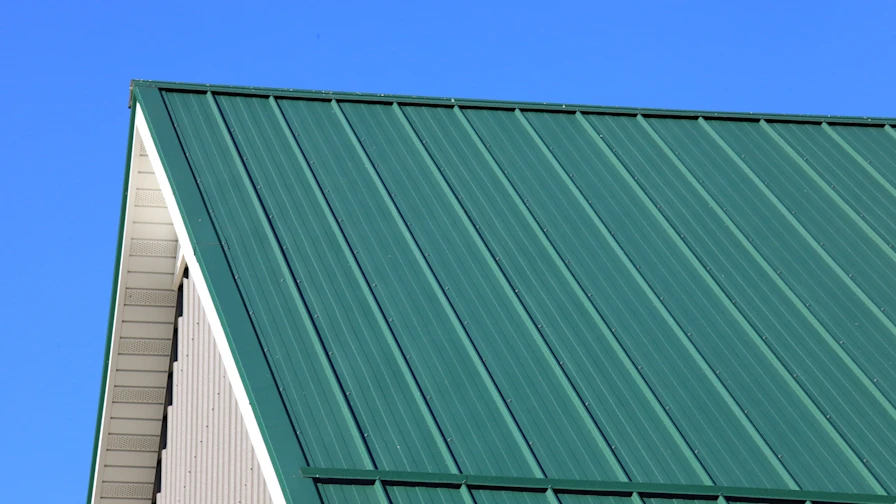
- Sheet metal roof (aluminum): 30-50 years
- Sheet metal roof (stainless steel): 30-50 years
- Sheet metal roof (copper): 100 years and more
- Glazed bricks: approx. 100 years
- Slate roofing: approximately 100 years
- Clay tiles: max. 80 years
important note: Looking for affordable metal roofing contractors in Holton KS? Get durable, long-lasting metal roofs at competitive prices. Free estimates—call today!
Other factors
When considering the question “How long will my roof last?”, always keep in mind that its lifespan depends on several other important factors. The most crucial are proper workmanship and the quality of the materials. Next, the building’s location and regional weather conditions are important. For example, a house in the Alps or near the coast is exposed to different and harsher weather conditions than one in a lowland area. Additionally, the type, orientation, and pitch of the roof also play a role in its expected lifespan.
You also have an influence on these factors yourself:
- a regular inspection, especially after heavy rain or hail and storms
- proper drainage
- Professional roof cleaning if required
Tip : Professional roof greening can extend the lifespan of your flat roof, as it protects the roof and roof membrane from extreme weather conditions and temperature fluctuations.
Signs of need for renovation
To answer the question “How long will my roof last?”, it is therefore not only important to have a professional roof installation using high-quality, durable materials, but also to regularly inspect, maintain and care for the roof.
Pay close attention to any early signs that might indicate a repair or renovation is needed, and don’t delay addressing them. Avoid attempting makeshift repairs yourself and leave the work to the experts.
You should take these warnings seriously:
- Algae and moss growth
- can penetrate cracks and cause the roof to leak.
- On metal roofs, rust or peeling paint is a warning sign.
- Damaged or loose roof tiles (water could penetrate here!)
- Damaged or poor insulation (noticeable increase in heating costs)
- Material fatigue
- Visible cracks or deformations as well as missing parts
- Leaks or visible moisture damage
This list is not exhaustive. Regular inspection and professional maintenance or cleaning by a specialist company like TT Roofing can help identify and resolve initial roof problems immediately, before they can cause damage. We would be happy to advise you on this topic without obligation and provide you with a detailed quote for the services you require. Simply contact us and let us know how we can help!