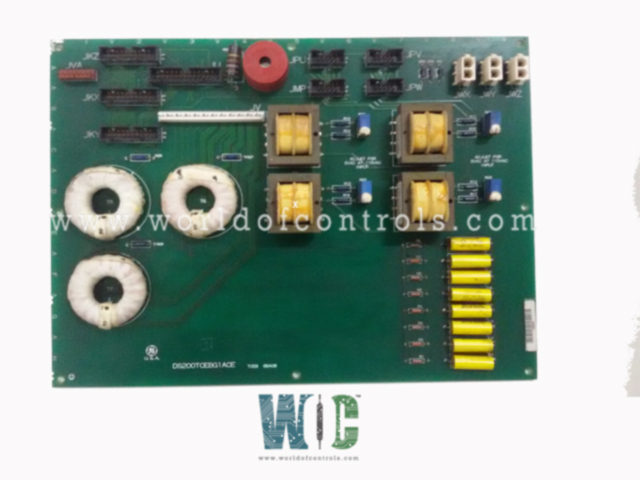
In the turbine industry, reliable control systems are critical to ensure smooth operations, safety, and efficiency. A key component in many GE (General Electric) turbine control systems is the common circuits board. Understanding its lifecycle, particularly its End of Support (EOS), is essential for plant managers, engineers, and maintenance teams.
What Are GE Common Circuits?
GE common circuits are integrated boards that handle essential functions in turbine control systems. They act as the backbone for communication, signal processing, and coordination between various modules in the turbine control architecture.
These boards perform tasks such as:
- Signal conditioning for sensors and actuators
- Communication with digital control modules
- Coordination of safety and operational interlocks
They are highly reliable, but like any electronic component, they have a finite lifecycle. Awareness of their support status is crucial to prevent unexpected downtime.
Understanding End of Support (EOS)
End of Support (EOS) refers to the stage in a product’s lifecycle when the manufacturer no longer provides:
- Technical support
- Software updates or patches
- Replacement parts
For turbine operators, EOS for a component like a GE common circuits board can have significant operational implications. Without official support, troubleshooting becomes more challenging, and spare parts may become scarce, increasing the risk of prolonged downtime.
Why EOS Matters in the Turbine Industry
Turbine systems operate under demanding conditions, and any failure can lead to costly outages. Understanding EOS is vital because:
- Maintenance Planning – Knowing when a component is reaching EOS allows teams to stock spares or plan upgrades proactively.
- Operational Reliability – Older boards without support may experience slower repairs or compatibility issues with newer systems.
- Regulatory Compliance – Some jurisdictions require operators to use supported and certified components for safety compliance.
EOS typically signals the need to evaluate alternatives or replacement strategies to maintain turbine performance and safety.
Strategies for Managing GE Boards After EOS
Even after a board reaches EOS, operators have several strategies to maintain system reliability:
- Stock Critical Spares – Ensure a sufficient inventory of key boards before support ends.
- Plan Upgrades – Transition to newer control boards or systems designed to replace EOS components.
- Third-Party Support – Some specialized vendors offer continued repair or support services for EOS boards.
- System Audits – Regularly review the control system to identify potential risks from aging components.
Proactive planning ensures minimal disruption and preserves the operational lifespan of turbines.
Future-Proofing Turbine Control Systems
The lifecycle of GE common circuits highlights the importance of careful lifecycle management in the turbine industry. Engineers and plant managers should:
- Keep track of manufacturer notifications regarding EOS
- Maintain clear documentation of system architecture
- Schedule upgrades well before critical components become obsolete
By doing so, turbine operations remain efficient, safe, and aligned with the latest industry standards.
Conclusion
GE common circuits play a vital role in turbine control systems. Awareness of End of Support (EOS) is critical for maintenance planning, operational reliability, and regulatory compliance. By understanding the EOS process and implementing proactive strategies—like spare stocking, system upgrades, and third-party support—turbine operators can ensure uninterrupted operations and avoid costly downtime.
Managing EOS effectively is not just about replacing a board; it’s about safeguarding the performance and longevity of an entire turbine system.