
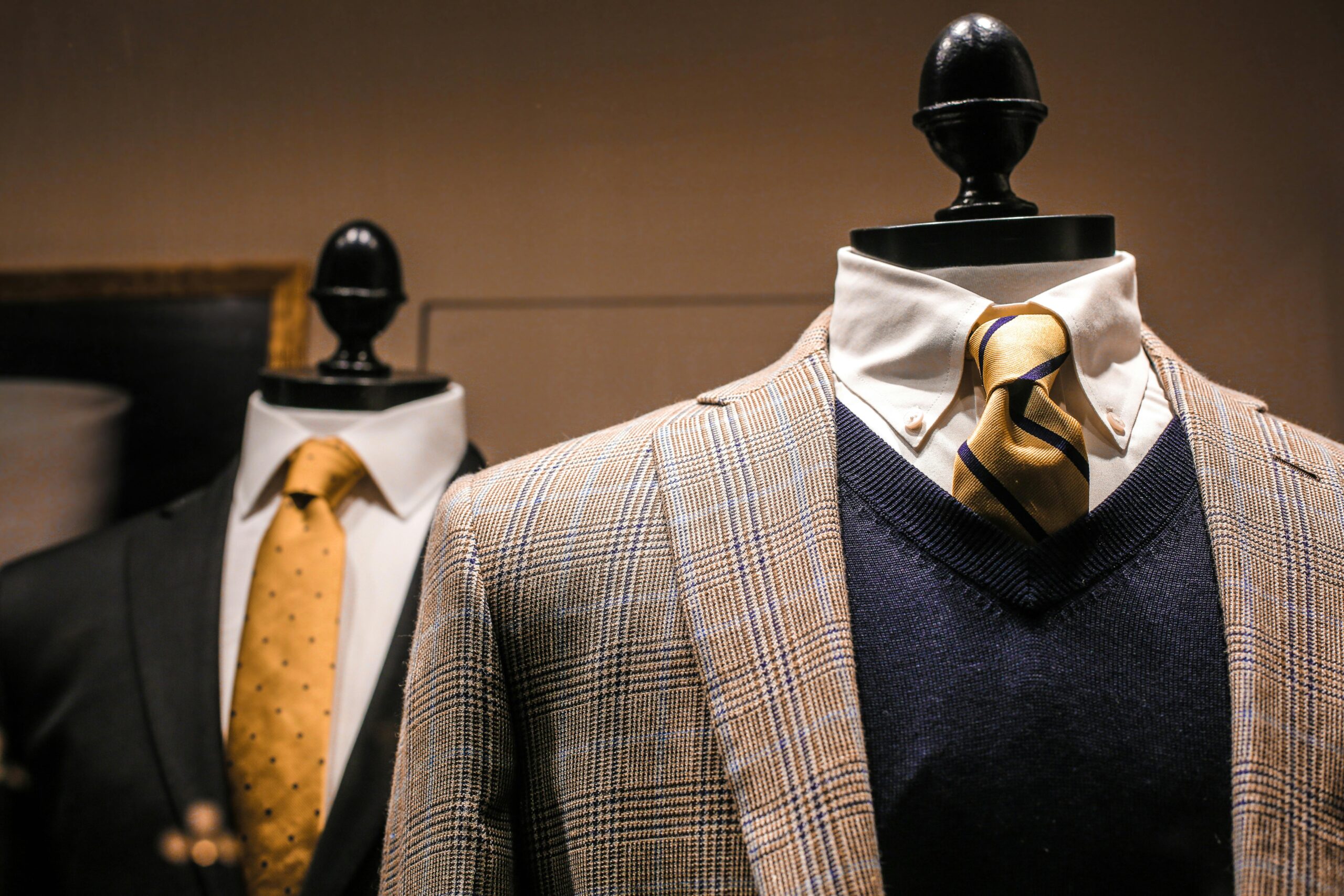
If you’ve watched any classic movies in the past, then you might have an idea of how working men in the olden days used to dress: big suits and ties, all designed to make a man feel “larger than life.” Not sure what to wear for tomorrow’s meeting with an important client? Just wear a classic suit and tie in the shade of black or brown, put on a hat, and you’re good to go.
Fast forward to today’s working class, and you’ve surely noticed how men’s work attire has become a lot more diverse and ambiguous. Work clothes come in various categories — business professional, business casual, and smart casual — which are different yet often used interchangeably.
So, how will you find the sweet spot and decode the dress code? Check out our handy guide.
Business Professional Look

The business professional style for men is easy to define since it has a clear set of rules and principles. The foundation of the attire includes a suit, a shirt, a tie, and a pair of polished dress shoes. Once you’ve secured the basics, you may start incorporating accessories like a belt, a wristwatch, and cufflinks.
Business suits
A business suit refers to a set of garments made from the same cloth. You can have a two-piece suit consisting of at least a jacket and trousers, or a three-piece suit that involves a layer of waistcoat underneath the jacket. Many professionals today prefer men’s tailored suits or even fully custom-made suits to ensure a precise fit and a polished appearance.
If you’re going to have one suit in your wardrobe, go with a plain dark navy hue. The color is versatile and can be easily matched with different shirts and ties. If you’re buying another suit, opt for black or dark charcoal.
Business shirts
Shirt and tie sets are a standard. As for the shirts, you need a set of classic button-up dress shirts. Start with a few white business shirts that look good when fully buttoned up.
Business ties
Ties allow you to express your personality in a strict corporate setting — that’s why they come in various colors and patterns. They also help you change your overall look while you’re wearing the same suit and shirt.
Dress shoes
Oxfords and Derbies are commonly worn for business professional attire. Stick to black, brown, or burgundy leather.
Bags
Skip backpacks. Go with a sleek leather bag in brown or black.
Business Casual Look

Business casual is the middle ground between business professional and casual look: It means no suit but no jeans either. It’s slightly more relaxed and less formal than the traditional business professional attire. And unlike the previous dress code, which tends to be straightforward, business casual can be a bit tricky to pull off since its definition and meaning may vary based on your office culture.
Just to give you a guide, here are a couple of things you can wear when the dress code says “business casual” depending on your industry:
Traditional white-collar jobs
Examples: law firms, banks, accounting firms, government agencies, client-facing roles, etc.
If business casual is appropriate in this kind of work environment (which often calls for a business professional dress code), then you should go for the most formal business casual outfit you have. It consists of the following items:
- Blazer or sports coat
- A long-sleeved dress shirt that’s tucked into your pants
- Trousers, dress pants, or chinos
- Sweaters (worn in addition to your sports coat or blazer during colder days)
- Neckties and bow ties (optional)
- Accessories, including a wristwatch, cufflinks, and pocket squares
- Dress shoes (oxfords, brogues, derbies, monk straps, loafers) or boots (chukka, Chelsea, or balmoral)
Rule of thumb: If your job involves meeting with clients or investors, try to match their own style to build trust.
Marketing, sales, IT, and non-client-facing roles
If you work in the service industry, sales, trades, and other jobs where you interact with the public, you may adapt the business casual standard shown above. But if you work in the office with a non-client-facing role, your employer might ask you to tone it down a bit.
- Jacket (optional)
- Business casual shirts
- Classic button-down collar shirt in a solid color, or small patterns like stripes and dots
- Long-sleeved polo shirt
- Sweaters with a collared shirt underneath
- Sweaters and knit vests or cardigans
- Chinos, khakis, and corduroys in darker shades like navy or black. Lighter colors are preferred during warmer seasons
- A pair of classic shoes in leather or suede
The key to a successful office wardrobe is perfecting the details. While splurging on expensive, designer men’s clothing isn’t necessary, you should pay attention to the quality of your suits’ fabric, cut, fit, hardware, and stitches—especially if you invest in well-made custom-made suits or refined men’s tailored suits that can transition seamlessly across different dress codes.
Author Bio: Carmina Natividad is a resident writer for Chokman, a go-to destination for tailored suits in Sydney—offering stylish, custom-fitted pieces for both men and women. She loves sharing fashion insights, styling advice, and tips to help people look sharp and feel their best in a great suit.