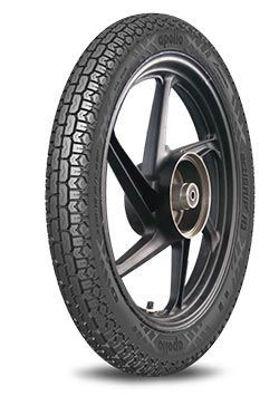
Choosing the right tyres is one of the most important decisions a bike rider can make. Tyres have a direct impact on safety, mileage, comfort, and overall riding performance. Yet, many riders overlook tyre selection and replace old tyres with whatever is easily available. Understanding bike tyre sizes and knowing which tyre is best for bike usage can make a significant difference in how your motorcycle performs on the road. This guide explains everything riders need to know to make informed tyre choices that enhance both safety and fuel efficiency.
Why Bike Tyre Sizes Matter More Than You Think
Motorcycle tyres are carefully designed to work with specific bike models, weights, and riding styles. Using incorrect bike tyre sizes can disturb the bike’s balance, handling, and braking efficiency. Even a small variation in tyre width or profile can affect cornering stability and rider confidence.
Correct tyre size ensures:
- Proper road grip
- Stable handling at different speeds
- Accurate speedometer readings
- Balanced weight distribution
Ignoring recommended sizes may lead to uneven tyre wear and reduced control, especially during emergency braking.
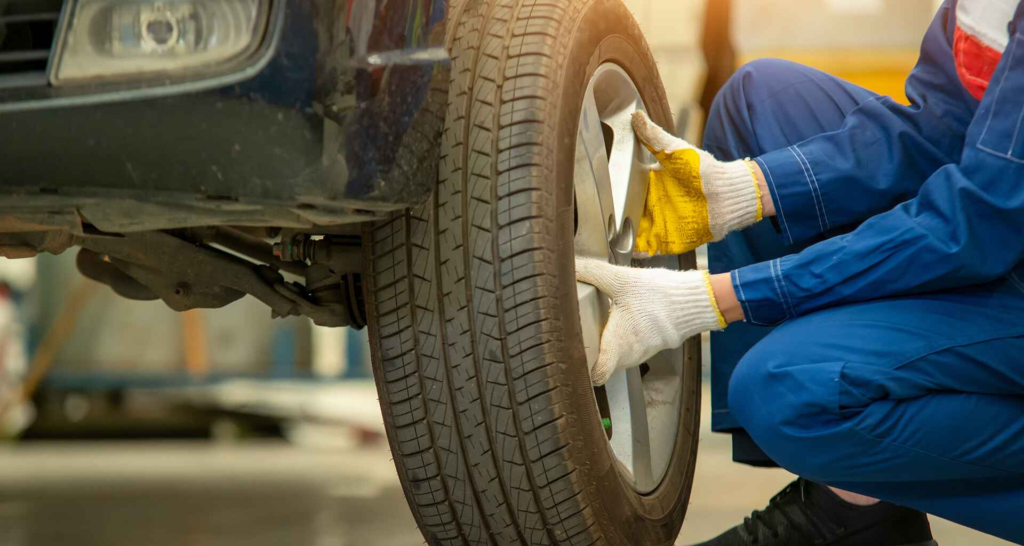
Understanding Bike Tyre Size Markings
Bike tyres come with markings printed on the sidewall that describe their size and construction. These markings help riders identify whether the tyre is suitable for their bike.
A typical tyre marking includes:
- Tyre width
- Aspect ratio
- Rim diameter
Understanding these markings helps riders compare bike tyre sizes accurately and avoid incorrect fitment. Choosing the wrong size may cause clearance issues, poor ride comfort, or compromised safety.
How Bike Tyre Sizes Affect Safety
Safety is directly linked to tyre size and condition. Incorrect bike tyre sizes can reduce the contact patch between the tyre and the road, leading to poor traction.
Smaller-than-recommended tyres may:
- Reduce stability
- Increase braking distance
- Causes faster tyre wear
Larger tyres, while visually appealing, may:
- Affect steering response
- Increase rolling resistance
- Reduce mileage
Knowing which tyre is best for bike safety means selecting a size approved by the manufacturer and suitable for your riding conditions.
The Relationship Between Tyre Size and Mileage
Mileage is a major concern for daily commuters. Tyres with the incorrect size or excessive width increase rolling resistance, forcing the engine to work harder and consume more fuel.
Correct bike tyre sizes help:
- Maintain optimal fuel efficiency
- Reduce unnecessary engine load
- Ensure smoother acceleration
Riders who prioritize mileage should avoid upsizing tyres unless recommended by experts, as it can negatively impact fuel economy.
Front Tyre vs Rear Tyre: Size Differences Explained
Most bikes use different tyre sizes for the front and rear wheels. The front tyre focuses on steering control and stability, while the rear tyre handles power delivery and load.
Using mismatched bike tyre sizes can affect:
- Cornering balance
- Braking performance
- Rider confidence
Understanding these differences is essential when deciding which tyre is best for bike performance and safety.
Which Tyre Is Best for Bike Based on Riding Style?
Different riders have different needs. The answer to which tyre is best for bike depends largely on how and where the bike is used.
For city commuting:
- Standard tyre sizes recommended by the manufacturer
- Focus on durability and mileage
For highway riding:
- Tyres offering better grip and stability
- Balanced tread patterns
For rough or uneven roads:
- Slightly wider tyres within recommended limits
- Strong sidewalls for durability
Matching tyre size and type to riding style ensures better control and longer tyre life.
Importance of Manufacturer-Recommended Tyre Sizes
Bike manufacturers test multiple configurations before finalizing recommended tyre sizes. These sizes are optimized for safety, mileage, and comfort.
Ignoring manufacturer recommendations may:
- Void warranties
- Increase wear on suspension components
- Reduce braking efficiency
Sticking to approved bike tyre sizes is the safest way to ensure reliable performance and peace of mind.
Common Mistakes Riders Make While Choosing Tyres
Many riders make tyre-related decisions based on looks or advice from non-experts. Some common mistakes include:
- Upsizing tyres without understanding the impact
- Using racing tyres for daily commuting
- Ignoring load and speed ratings
These mistakes often lead to confusion about which tyre is best for bike usage and result in a poor riding experience.
How Road Conditions Influence Tyre Choice
Indian road conditions vary widely, from smooth highways to uneven city streets. Tyre selection should account for these variations.
Correct bike tyre sizes combined with suitable tread patterns help:
- Improve grip on wet and dry roads
- Absorb road shocks
- Enhance riding comfort
Riders who frequently travel on rough roads should prioritize durability along with correct sizing.
Tyre Pressure and Its Role in Performance
Even the best tyre will underperform if tyre pressure is incorrect. Proper pressure ensures tyres maintain their shape and grip.
Incorrect pressure can:
- Reduce mileage
- Increase wear
- Compromise safety
Maintaining correct pressure along with proper bike tyre sizes helps riders get the best value from their tyres.
When Should You Replace Your Bike Tyres?
Knowing which tyre is best for bike also means knowing when to replace it. Signs that tyres need replacement include:
- Worn tread
- Cracks on sidewalls
- Frequent loss of air
Riding on worn tyres significantly increases accident risk, regardless of size or brand.
Long-Term Cost Benefits of Choosing the Right Tyre
Choosing the correct bike tyre sizes reduces long-term costs by:
- Extending tyre lifespan
- Improving fuel efficiency
- Reducing maintenance expenses
A well-chosen tyre provides better value over time, even if the initial cost is slightly higher.
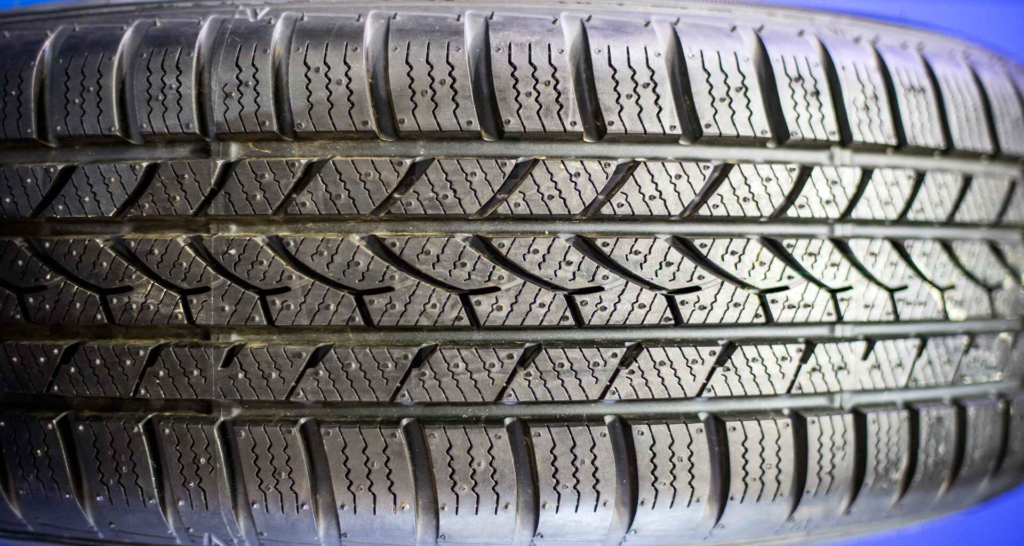
Balancing Safety, Mileage, and Comfort
Riders often struggle to balance safety and mileage. The key lies in choosing tyres that meet manufacturer specifications while suiting personal riding needs.
Understanding which tyre is best for bike involves considering:
- Daily riding distance
- Road conditions
- Load carried
This balanced approach ensures a safer and more economical riding experience.
Conclusion
Selecting the right tyres is essential for every rider who values safety, mileage, and comfort. Understanding bike tyre sizes helps riders avoid costly mistakes and ensures their motorcycle performs as intended. Knowing which tyre is best for bike usage depends on riding style, road conditions, and manufacturer recommendations. By choosing the correct size and maintaining proper tyre care, riders can enjoy smoother rides, better fuel efficiency, and improved safety. Trusted brands like Apollo Tyres offer a wide range of high-quality bike tyres designed to meet diverse riding needs, helping riders achieve the perfect balance between performance, durability, and peace of mind on every journey.