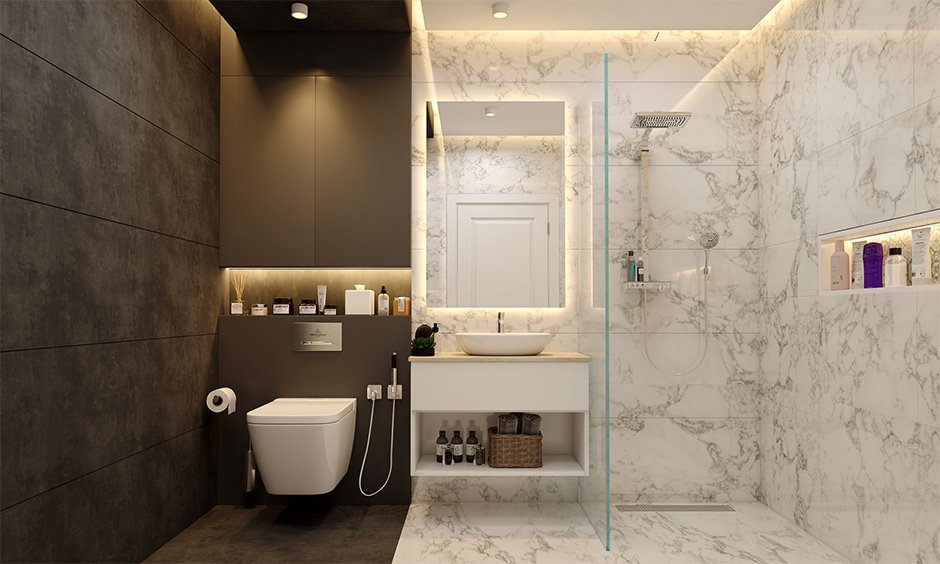
A modern bathroom is expected to look clean, feel open, and handle daily water mess without drama. That’s why a Bathroom Glass Partition has become a go-to upgrade in both new builds and remodels.
This guide breaks down what’s trending for 2026, how pricing works, and when a glass setup wins over a shower curtain—so businesses, eCommerce stores, and property-focused websites can publish something shoppers actually trust.
What Is a Bathroom Glass Partition?
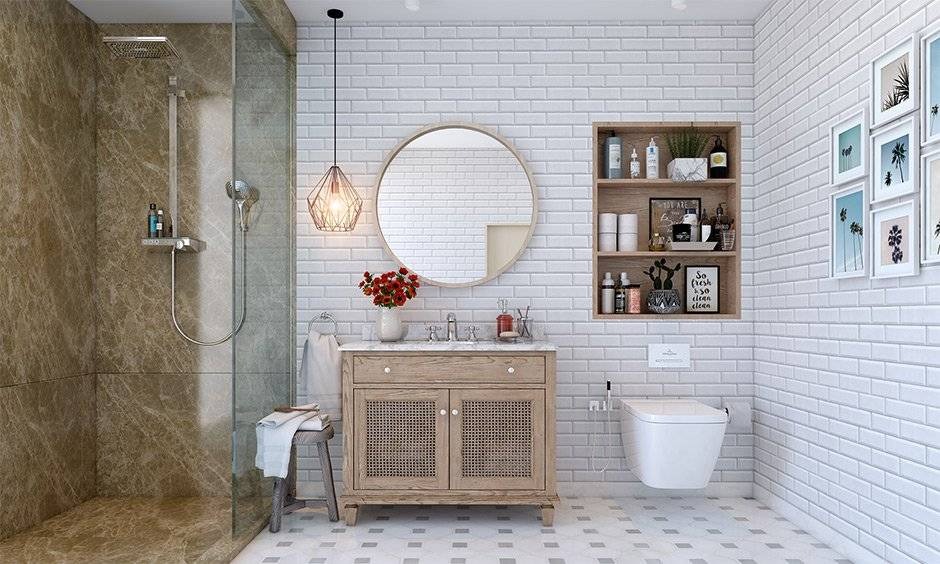
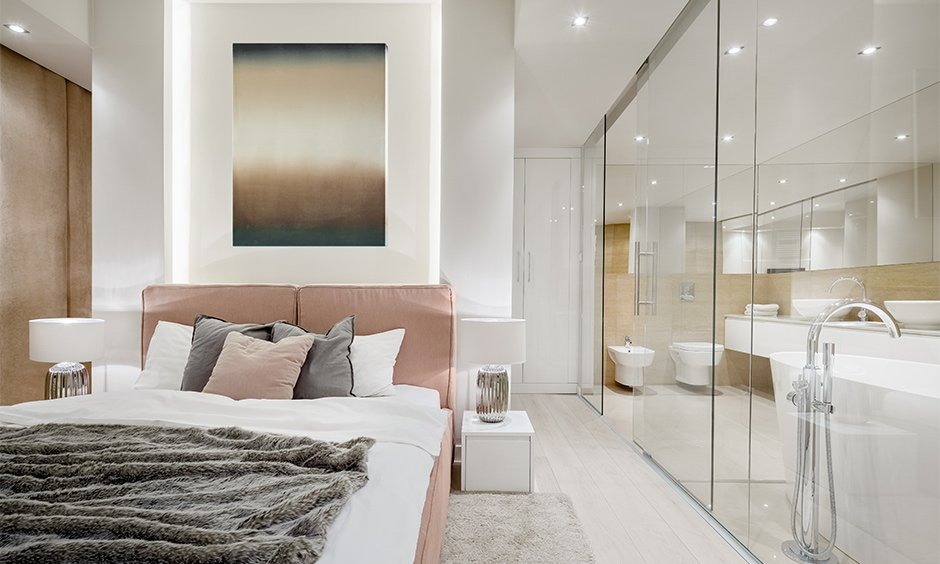
A Bathroom Glass Partition is a glass barrier installed to separate wet and dry zones. It’s most commonly used around the shower area, but it also works as a bathtub screen or a divider that limits splash while keeping the room visually open.
In practical terms, it’s a cleaner, sturdier version of “keeping water where it belongs.”
Benefits of Bathroom Glass Partition
A well-installed Bathroom Glass Partition is not just about style. It solves real problems that homeowners complain about.
- Modern look with a premium feel: Glass instantly makes a bathroom feel more “finished.”
- Controls splashing: Water stays in the wet zone, so floors stay safer and drier.
- Easier cleaning (with the right surface finish): Many buyers now look for protective coatings that help reduce water spots.
- Makes small bathrooms feel larger: Clear barriers keep sightlines open.
- Lets light travel: Compared to curtains, glass doesn’t block natural or artificial light.
For brands selling bathroom upgrades online, these are the benefits that convert browsers into buyers because they’re easy to picture in daily life.
Types of Bathroom Glass Partitions (With Best Use Cases)
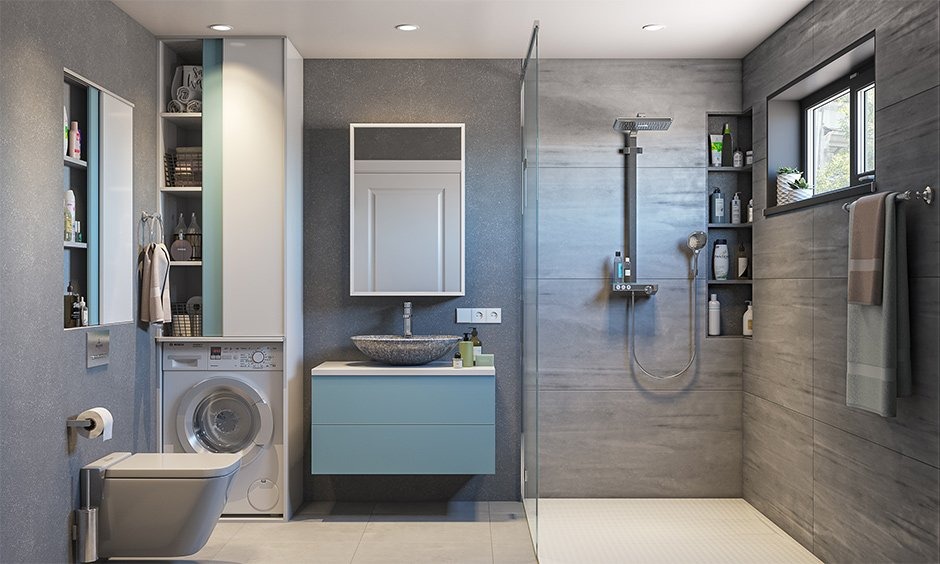
Choosing the right Bathroom Glass Partition depends on space, layout, and how the bathroom is used. The best-performing product pages explain “who it’s for” rather than only listing specs.
Fixed Glass Partition (Walk-in Shower Panel)
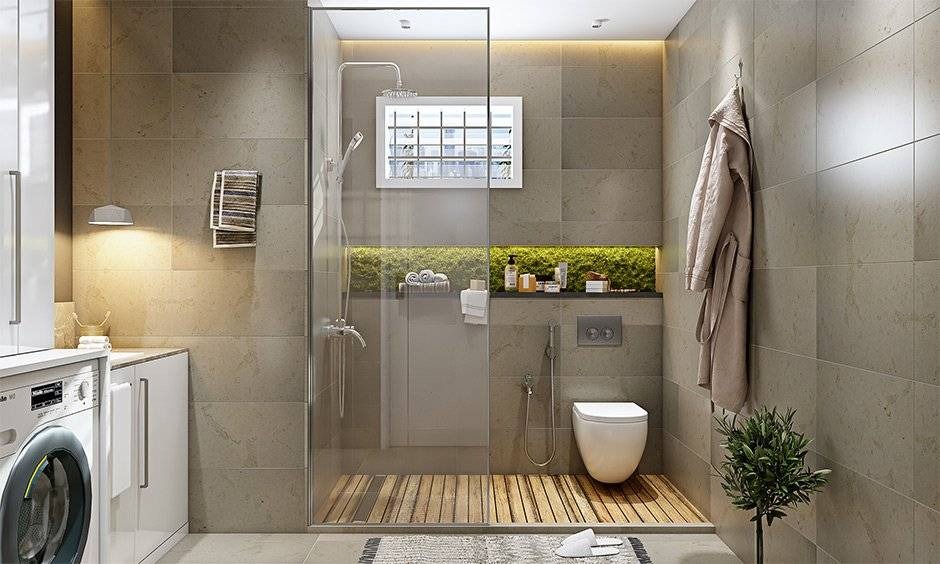
A fixed panel (often called a walk-in shower panel) is a single, stationary sheet of glass.
Best for: small to medium bathrooms, minimalist designs, quick installs
Pros: clean look, fewer moving parts, usually lower maintenance
Cons: needs smart placement to control splash (showerhead position matters)
Sliding Glass Partition
A sliding setup works like a sliding shower door—glass moves on rollers or a track.
Best for: tight spaces where a swinging door would hit a vanity or toilet
Pros: space-saving, feels “sealed” when closed
Cons: track cleaning can be annoying if low-quality hardware is used
Hinged/Swing Door Partition
A swing door creates a more enclosed shower experience.
Best for: bigger bathrooms or premium remodels
Pros: wide opening, strong water control
Cons: needs clearance for the door swing; hinges must be high quality
Frameless vs Semi-Framed vs Framed (Quick Comparison)
Many shoppers ask about the “look” first. A simple comparison helps.
| Style | Best For | Look | Durability | Cost Range |
| Frameless | Modern homes, high-end finish | Clean, minimal | Strong (with thicker glass) | Higher |
| Semi-framed | Balanced budgets | Modern + practical | Very good | Mid |
| Framed | Rentals, value builds | Traditional | Strong frame support | Lower |
A frameless shower screen is still the favorite for modern interiors, but framed options in bold finishes are showing up more often in 2026 trend boards.
Best Glass Options for Bathroom Partitions
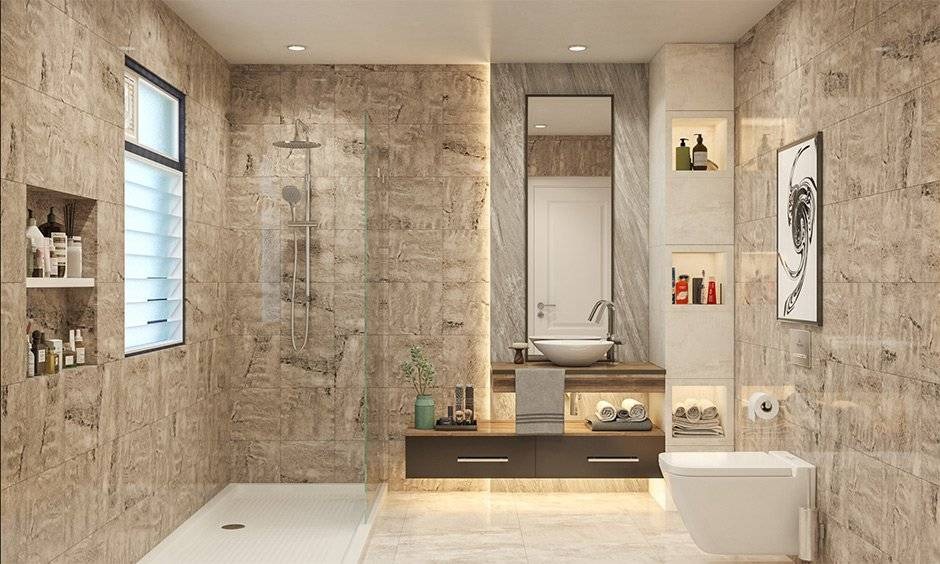
Buyers don’t just want “glass.” They want the right glass.
- Tempered glass (safety first): For showers, tempered glass is widely used because it’s designed to meet safety standards and break into smaller pieces instead of dangerous shards.
- Frosted glass (privacy): A frosted glass shower screen is popular in shared bathrooms.
- Clear glass (space + light): Best for small bathrooms and modern homes.
- Tinted/smoked glass (luxury vibe): Works well with dark fixtures and warm lighting.
- Textured/ribbed glass (privacy + style): Fluted/ribbed patterns are being highlighted as a standout direction in recent shower enclosure trend reporting.
Bathroom Glass Partition Designs (Top Ideas)
This is where “useful” content becomes “bookmark-worthy.” In 2026, design choices lean toward simple layouts plus one strong visual detail.
- Minimal frameless clear panel
Clean edges, minimal hardware, easy to match with any tile. - Black frame industrial style
Matte black finishes are a consistent favorite because they add structure without heavy visual clutter. - Frosted middle strip for privacy
A practical option for family bathrooms while still feeling modern. - Half partition for compact bathrooms
Good for small spaces, especially when combined with smart showerhead placement. - Ribbed/fluted glass for a modern look
Textured glass can hide water spots better than clear glass while still letting light through. - Corner L-shape partition
Helps reduce splash in open layouts and suits narrow bathrooms. - Bathtub glass screen partition
A modern alternative to curtains around tubs—cleaner lines, easier maintenance.
For websites selling upgrades, showing these as “design bundles” (glass + hardware finish + tile pairing) often improves conversions because shoppers feel guided.
Bathroom Glass Partition Design Trends for 2026 vs Shower Curtain: Which Is Better (And Why)?
A Bathroom Glass Partition usually wins when the goal is a long-term upgrade with better cleanliness and stronger visual appeal. A shower curtain wins when budget and flexibility matter most.
Here’s the clearest way to position it:
Choose glass when:
- The bathroom is part of a resale-focused upgrade
- A cleaner, hotel-style look is the priority
- Better splash control is needed
- The user wants a durable setup with less “fabric maintenance”
Choose a curtain when:
- The bathroom is temporary (short-term rental, quick refresh)
- The budget is extremely tight
- The user needs maximum privacy without glass treatments
- The space/layout makes glass installation difficult
Notably, “open” walk-in shower layouts are being discussed more as a luxury-spa inspired direction heading into 2026, but many homes still use glass panels to control water while keeping that open feel.
Bathroom Glass Partition Cost (Price Factors)
Shoppers often search “bathroom glass partition price” before they know the type they need. A trustworthy article explains what actually drives cost.
Key factors that affect Bathroom Glass Partition pricing:
- Glass thickness (8mm / 10mm / 12mm)
- Hardware quality (SS 304 vs SS 316, rollers, hinges, clamps)
- Overall size and customization (cutouts, notches, special angles)
- Frameless vs framed
- Installation work (alignment, sealing, fittings)
Quick price range guide (typical market behavior):
- Framed: budget-friendly
- Semi-framed: mid-range
- Frameless: premium
(Exact numbers vary by region, glass type, and labor. For eCommerce listings, adding a “request a quote” option for custom sizes usually improves buyer confidence.)
Also, stainless steel choice matters. SS 316 is commonly described as more corrosion-resistant than SS 304 due to added molybdenum, which helps in harsher environments.
Best Thickness & Hardware (What to Choose)
A Bathroom Glass Partition should feel stable when the door slides or swings. That stability comes from thickness plus hardware.
Common guidance by type:
- Fixed panels: 8–10mm often works well
- Sliding systems: 8–10mm is common, but roller quality is crucial
- Frameless swing doors: 10–12mm is often chosen for a heavier, premium feel
Hardware checklist buyers should look for:
- Stainless steel grade (SS 304 for many bathrooms; SS 316 for coastal/high-humidity or harsh-cleaner environments)
- Smooth rollers (for any sliding shower door system)
- Solid hinges with a reliable warranty
- Proper seals and stoppers to control leakage
For commercial buyers (malls, offices, hospitality), consistent hardware quality reduces maintenance complaints later.
Installation Guide (Step-by-Step Overview)
A clean install is what separates “looks great on day one” from “leaks by week three.” Every Bathroom Glass Partition should be installed with water control in mind.
- Measurement & wall check: walls should be plumb; tile should be stable
- Floor slope and drain position: slope should guide water toward the drain
- Marking + drilling: accurate alignment prevents stress on glass
- Fitting + leveling: hinges/rollers must be aligned for smooth movement
- Silicone sealing + leak test: sealing corners and edges correctly matters
- Typical installation time: often completed in a few hours for standard setups (complex custom work takes longer)
For safety, buyers should also confirm the glass is compliant with recognized safety standards for architectural glazing where applicable.
Cleaning & Maintenance Tips
The simplest maintenance advice is often the most effective.
- Use a squeegee daily (takes 20 seconds, saves heavy scrubbing later)
- Use a mild cleaner; avoid harsh abrasives that can scratch surfaces
- Consider protective coatings that reduce water spotting
- Check seals periodically—small gaps can become leaks over time
If a shower curtain is being compared: curtains can trap moisture, grow mildew, and need washing or replacing. Glass typically needs wiping, not laundering.
Common Mistakes to Avoid
These mistakes show up in customer reviews again and again.
- Wrong swing direction: the door hits fixtures or blocks movement
- No water stopper strip: small detail, big leakage problem
- Poor corner sealing: water finds gaps fast
- Choosing cheap hardware: rollers and hinges fail first
- Ignoring privacy needs: clear glass isn’t ideal for every bathroom
- Not checking wall strength/level: misalignment causes long-term issues
Bathroom Glass Partition FAQs
Is tempered glass safe?
Yes, tempered shower glass is designed for safety performance and is widely used in wet areas.
Which is better: frosted or clear?
Clear looks larger and brighter; frosted adds privacy and can hide water spots better.
How to stop water leakage?
Proper slope, correct showerhead position, quality seals, and clean silicone lines are the usual fixes.
What thickness is best?
It depends on the type—fixed panels may work well at 8–10mm, while premium frameless doors often use thicker glass.
How long does it last?
With quality hardware and routine cleaning, glass partitions typically last for years; poor hardware shortens lifespan.
Can it be installed in small bathrooms?
Yes. Fixed panels and sliding options are common in compact layouts.
Bonus: 5 extra FAQs (short answers for AI Overview / People Also Ask)
What is the easiest glass to maintain?
Clear glass with a protective coating is easiest to keep looking new, especially with quick daily squeegee use.
Do sliding doors leak more than fixed panels?
They can if seals are weak. A well-installed sliding system with proper stoppers performs well.
Is SS 316 hardware worth it?
In coastal or very humid areas, SS 316 is often preferred due to stronger corrosion resistance.
Can textured glass still look modern?
Yes. Ribbed/fluted textures are widely used in modern design because they add privacy without blocking light.
What makes a listing trustworthy for online buyers?
Clear thickness details, hardware grade, warranty terms, accurate size options, and real installation photos.