
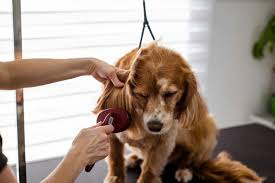
Pets go through several physical and behavioral changes as they grow, and these changes directly influence their grooming requirements. A routine that works for a young pet may not remain effective as the pet transitions into adulthood or senior years. Coat texture, skin sensitivity, activity levels, and hygiene habits all evolve over time. Adjusting grooming practices according to life stages helps maintain comfort, cleanliness, and long-term health.
As pets mature, their coat structure and skin condition begin to stabilize, making it easier to build a structured Pet Grooming routine that supports both hygiene and preventive care. Regular grooming across different life stages helps pet owners notice subtle changes such as dryness, excessive shedding, or skin irritation before they develop into serious concerns.
Grooming Needs During the Early Life Stage
Puppies and kittens usually have softer coats and more delicate skin compared to adult pets. At this stage, grooming should focus on gentle introduction rather than intensive procedures. Short brushing sessions help young pets become comfortable with grooming tools and physical handling.
Bathing should be occasional and only when necessary. Overbathing at an early age can strip natural oils from the skin and cause dryness. Using mild, pet-safe grooming products helps maintain coat softness while protecting sensitive skin.
Early nail trimming and ear cleaning are equally important. Pets that become familiar with grooming routines at a young age are less likely to resist grooming sessions later. This stage is also ideal for observing how a pet’s coat begins to develop, especially in breeds that undergo texture changes within their first year.
Grooming Requirements for Adult Pets
Once pets reach adulthood, grooming routines need to become more structured and consistent. Adult pets typically develop stable coat patterns, and their shedding cycles become predictable. Depending on coat type, brushing frequency may range from weekly to multiple times per week.
Active pets that spend more time outdoors often require additional hygiene care. Dirt accumulation, seasonal shedding, and environmental exposure increase during this stage. Regular brushing helps remove loose fur while distributing natural oils that keep the coat healthy.
Skin health becomes an important focus for adult pets. Environmental allergens, dietary changes, and lifestyle factors can affect coat shine and skin hydration. Grooming sessions allow pet owners to detect early signs of irritation, dryness, or unusual hair loss.
Maintaining hygiene around sensitive areas such as paws, ears, and undercoat regions also becomes essential. These areas tend to trap moisture and debris, which may increase the risk of infections if not cleaned regularly.
Special Grooming Considerations for Senior Pets
Senior pets require more careful grooming because aging affects both mobility and skin sensitivity. Older pets may find it difficult to groom themselves properly, particularly in hard-to-reach areas. Reduced flexibility can lead to matting or odor buildup if grooming is not maintained consistently.
Gentle grooming tools should be used for senior pets to avoid discomfort. Aging skin often becomes thinner and more sensitive, making harsh brushing unsuitable. Shorter grooming sessions are recommended to prevent stress or fatigue.
Nail care becomes especially important in senior pets because reduced activity levels may slow natural nail wear. Overgrown nails can affect walking posture and cause discomfort. Regular trimming helps maintain mobility and balance.
Senior pets may also experience coat thinning or dryness due to reduced oil production. Using moisturizing grooming products and gentle brushing techniques helps maintain skin comfort during this stage.
Coat and Skin Changes Across Different Life Stages
A pet’s coat condition often reflects overall health, and noticeable changes can occur as pets age. Young pets generally have softer coats, while adult pets develop thicker and denser fur. Senior pets may experience uneven shedding or coat thinning.
Seasonal changes can also influence grooming frequency. Pets may shed heavily during weather transitions, requiring additional brushing sessions. Grooming helps manage loose fur and prevents mat formation, especially in long-coated breeds.
Regular grooming sessions also allow pet owners to check for lumps, bumps, or skin irregularities. Early detection of such changes can support timely medical attention when needed.
Building an Age-Based Grooming Routine
Creating a grooming routine based on life stages helps ensure pets remain comfortable throughout their lives. Young pets benefit from gentle introduction sessions, adult pets require structured maintenance, and senior pets need more comfort-focused grooming practices.
Consistency is the most important factor across all stages. Even simple habits like brushing, nail trimming, and ear cleaning can prevent many hygiene-related issues. Professional grooming and hygiene support from Vetic can further help pet owners adapt grooming routines based on their pet’s changing age, coat condition, and overall health needs.
Conclusion
Pet grooming is not a fixed routine—it evolves with age, lifestyle, and physical condition. From introducing basic grooming habits during early months to adapting gentle techniques for senior pets, every stage requires thoughtful care. By maintaining consistent grooming practices and adjusting routines over time, pet owners can support better hygiene, comfort, and overall well-being throughout their pet’s life.