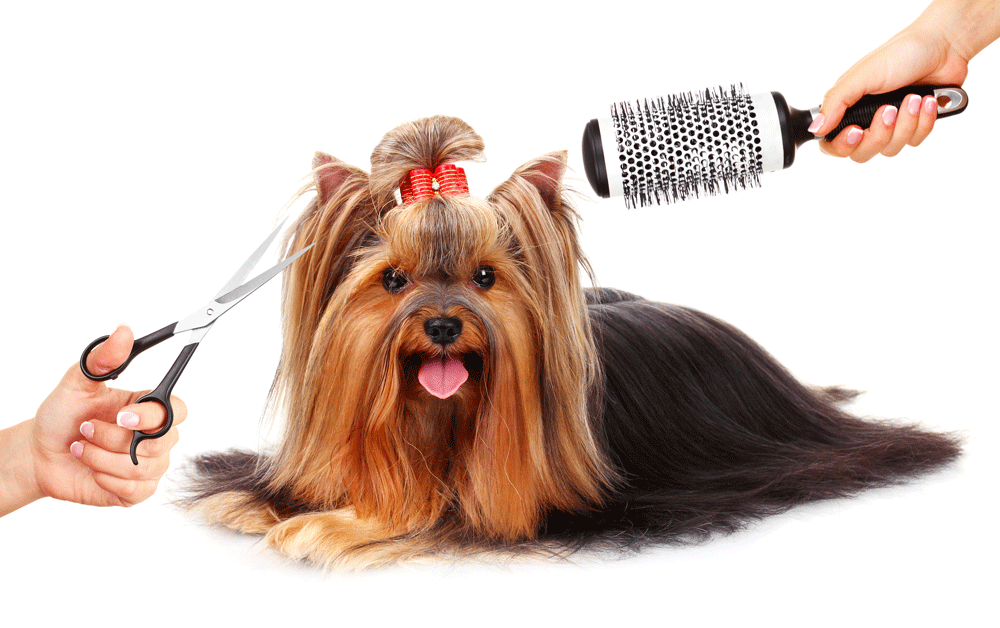
Welcoming a dog into your home brings joy, companionship, and a bundle of responsibilities. One of the most important yet underestimated responsibilities is grooming. While food and exercise are often prioritized, grooming plays a major role in maintaining your dog’s physical health, appearance, and comfort. Proper grooming routines help reduce hair fall, prevent infections, and provide opportunities to check for skin issues early.
For new dog owners, knowing how often and how thoroughly to groom your pet can be confusing. That’s why structured Dog Grooming helps owners understand breed-specific needs, coat care techniques, and effective hygiene practices. Dog grooming involves more than just giving your dog a bath—it’s an ongoing process that supports skin health and overall well-being.
What Is Dog Grooming?
Dog grooming includes all practices that maintain your dog’s cleanliness and hygiene. These include brushing, bathing, ear and eye cleaning, nail trimming, and coat maintenance. Grooming is not just cosmetic; it prevents common problems such as matting, skin irritation, and parasite buildup.
Different dog breeds have different coat types, so grooming needs vary. For example:
- Short coats require minimal brushing, usually once a week
- Medium coats need brushing a few times a week
- Long or curly coats need daily brushing and frequent professional care
Understanding your dog’s coat type helps you choose the right tools and grooming frequency for better results.
Key Components of Dog Grooming
Let’s break down the core steps involved in a typical dog grooming routine:
Brushing the Coat
Brushing is one of the most important aspects of grooming. It removes loose hair, prevents tangles, and improves skin health by distributing natural oils. Regular brushing also gives you a chance to check for skin abnormalities like redness, dryness, or parasites.
Types of brushes vary based on coat type:
- Bristle brushes for short coats
- Slicker brushes for medium coats
- Undercoat rakes or de-matting tools for thick or long coats
Bathing Your Dog
Bathing helps remove dirt, allergens, and natural debris from your dog’s coat. How often you bathe your dog depends on its activity level, coat type, and skin sensitivity. Most dogs benefit from a bath every 4–6 weeks. Over-bathing can strip natural oils and cause dryness, so it’s important to use a mild, dog-safe shampoo.
During bathing:
- Use lukewarm water
- Avoid soap or water in the eyes and ears
- Rinse thoroughly to remove all shampoo residue
Nail Trimming
Nail care is often overlooked but it’s essential for your dog’s comfort. Overgrown nails can lead to pain, walking difficulty, and even joint stress. Trim nails every 3–4 weeks, and be careful not to cut into the quick (the sensitive part of the nail with blood vessels).
If you’re unsure about trimming, seek professional help to avoid injury.
Ear and Eye Care
Ear cleaning may be necessary for dogs with floppy ears or excessive hair around the ear canal. Moisture and trapped debris can lead to infections if not cleaned regularly.
Use a vet-approved ear cleansing solution and gently sponge the outer area. For eyes, trim excess hair and wipe away discharge to prevent irritation.
Seasonal Grooming for Dogs
Dogs often shed more during seasonal changes, especially in spring and fall. During these periods:
- Increase brushing frequency
- Use de-shedding tools for double-coats
- Pay attention to moisture under long coats to prevent matting
Seasonal grooming helps reduce shedding around the home and supports healthy coat transitions.
Professional Dog Grooming vs Home Care
Home grooming is essential and should be done regularly. However, professional dog grooming offers deeper cleaning, precise trimming, and expert handling—especially for:
- Long-haired breeds
- Dogs with sensitive skin
- Pets that mat easily or shed heavily
Professional services use specialized tools and techniques that may be difficult to replicate at home. They also help identify early signs of infections or skin concerns that might go unnoticed.
Clinics like Vetic provide structured grooming services paired with veterinary guidance. This integrated approach ensures that both hygiene and health are monitored, helping dog parents keep their pets clean and safe all year.
Conclusion
Dog grooming is a vital part of maintaining your pet’s health and happiness. From brushing and bathing to nail trims and ear care, each step contributes to a cleaner, more comfortable, and healthier dog. Whether you manage grooming at home or choose professional support, consistency is key. A proper grooming routine helps prevent infections, reduces shedding, and makes your dog feel its best.