
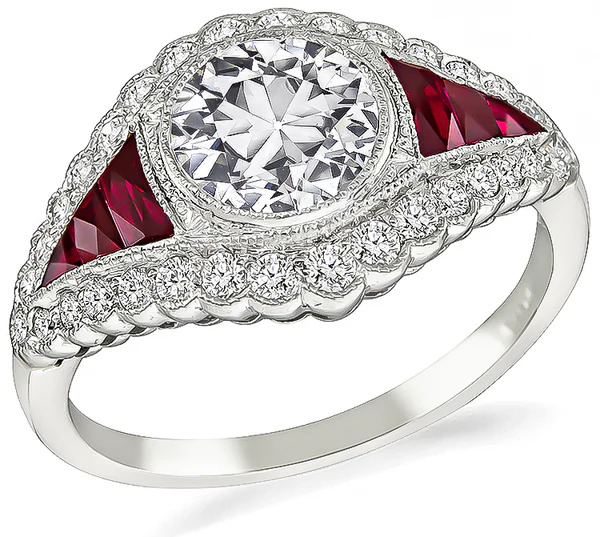
Vintage & estate jewelry care is not the same as looking after modern jewelry, because older pieces often have delicate settings, hand-finished details, and gemstones that may be softer or treated differently than today’s mass-produced designs. A ring from the Art Deco era, a Victorian brooch, or an inherited diamond bangle can stay stunning for decades—but only if you protect it from the most common causes of damage: chemicals, impact, poor storage, and incorrect cleaning.
Why older jewelry needs extra care
Pre-owned and older jewelry has usually seen years of wear. Over time, prongs may thin, clasps may loosen, and metal may develop tiny stress points. Many vintage items also feature craftsmanship that is difficult to replicate—like filigree, hand engraving, milgrain edges, and old-style stone settings. These details are beautiful, but they can be fragile.
Also, certain stones often used in older pieces—pearls, opals, emeralds, turquoise, coral—require gentler handling than diamonds or sapphires. That’s why protecting the piece is not only about shine; it’s about preventing cracks, loosened stones, and irreversible structural damage.
Smart wearing habits that prevent damage
The best maintenance starts before cleaning—by wearing your pieces correctly.
Keep jewelry away from chemicals
Perfume, hairspray, lotion, sanitizer, and household cleaners can dull stones and damage metal finishes. Chlorine is especially harmful because it can weaken gold alloys and cause discoloration or brittleness in some metals over time. A simple rule works well: put jewelry on last and remove it first.
Avoid impact and pressure
Older prongs and delicate settings can bend more easily. Remove rings and bracelets during:
- Gym workouts
- Cooking (especially kneading or heavy utensil use)
- Cleaning
- Gardening
- Moving luggage or lifting weights
Even a small knock can loosen a stone. Many “mystery” stone losses happen from routine daily activity.
Don’t sleep or shower with jewelry
Sleeping can bend prongs and stretch chains. Showering introduces soap residue that builds up under stones and reduces sparkle. Water exposure can also affect porous materials and certain gemstone treatments.
Cleaning: what’s safe and what to avoid
Cleaning mistakes are one of the fastest ways to ruin older jewelry.
Avoid ultrasonic cleaners (unless a jeweler approves)
Ultrasonic machines vibrate dirt loose—but that same vibration can also shake loose stones, worsen fractures, and damage fragile settings. If your piece is antique, has pavé stones, emeralds, opals, pearls, or any visible wear, skip ultrasonic cleaning.
A safe home-cleaning method for many pieces
For sturdy gold or platinum pieces with hard stones (like diamonds, sapphires, rubies), you can do a gentle clean:
- Use a bowl of lukewarm water
- Add a few drops of mild dish soap
- Soak for 5–10 minutes
- Use a soft baby toothbrush to clean gently (especially behind stones)
- Rinse quickly
- Pat dry with a lint-free cloth
Never use hot water, harsh detergents, or vigorous scrubbing around filigree and engraving.
Special gemstone care rules
Some stones need extra caution:
- Pearls: Wipe with a soft damp cloth only. Never soak. Avoid perfume and hairspray. Store separately in a soft pouch.
- Opals: Damp cloth only. Avoid heat, soaking, and sudden temperature changes.
- Emeralds: Often oil-treated. Avoid ultrasonic, steam, and harsh chemicals. Clean gently with mild soap and minimal water.
- Turquoise/Coral: Porous and easily damaged by chemicals. Wipe gently; avoid soaking.
- Enamel: Can chip with impact or harsh cleaning. Use only a soft cloth and minimal moisture.
If you’re unsure about a stone, treat it like a “delicate stone” and avoid soaking and ultrasonic cleaning.
Storage: the easiest way to protect your collection
Improper storage causes scratches, tangles, and bent settings.
Store each piece separately
Diamonds can scratch other gemstones and even metal. Store jewelry in:
- Individual pouches
- A lined jewelry box with compartments
- Soft fabric wraps
Avoid tossing multiple items in one box.
Keep chains from tangling
Store necklaces flat or hang them individually. Tangling can weaken links and strain clasps.
Manage humidity and tarnish
Silver tarnishes naturally, especially in humid areas. Use:
- Anti-tarnish strips or anti-tarnish pouches
- A cool, dry storage space
For pearls, avoid airtight plastic bags—pearls need slight moisture and can dry out over time.
Regular inspections: prevention beats repair
A yearly check by a jeweler experienced with older jewelry is one of the best habits you can build. During inspection, they can:
- Check prongs for thinning
- Tighten stones
- Inspect clasps and hinges
- Spot hairline cracks or weak links early
If you wear a piece often (like a ring), consider inspection every 6 months.
Common warning signs you should never ignore
If you notice any of these, stop wearing the piece until it’s checked:
- A stone that rattles or shifts
- Snagging on fabric (often a prong issue)
- A clasp that opens too easily
- Visible gaps around a stone setting
- Discoloration near prongs or solder joints
These are small problems now, but they become expensive if ignored.
Travel tips for vintage jewelry
Travel is risky for valuable pieces because of loss, theft, and accidental damage.
Best practices:
- Carry jewelry in your hand luggage, not checked baggage
- Use a padded travel organizer
- Bring only what you’ll wear
- Avoid leaving valuables unattended in hotel rooms
For irreplaceable heirlooms, it’s often safer to leave them secured at home.
Restoration: protect value, don’t over-polish
Restoration should be done thoughtfully. Over-polishing can erase original details like milgrain edges and engraving, and changing original parts can reduce value.
Good restoration focuses on:
- Structural safety (prongs, clasps, hinges)
- Minimal intervention
- Keeping original stones and design whenever possible
If you want resizing or repairs, choose a jeweler with experience in antique and vintage work.
Conclusion
Caring for older jewelry is about preserving both beauty and authenticity. Wear your pieces thoughtfully, keep them away from chemicals and impact, clean gently based on gemstone type, store each item properly, and schedule routine inspections. These habits prevent stone loss, structural damage, and unnecessary restoration—keeping your treasured jewelry wearable, valuable, and stunning for generations.