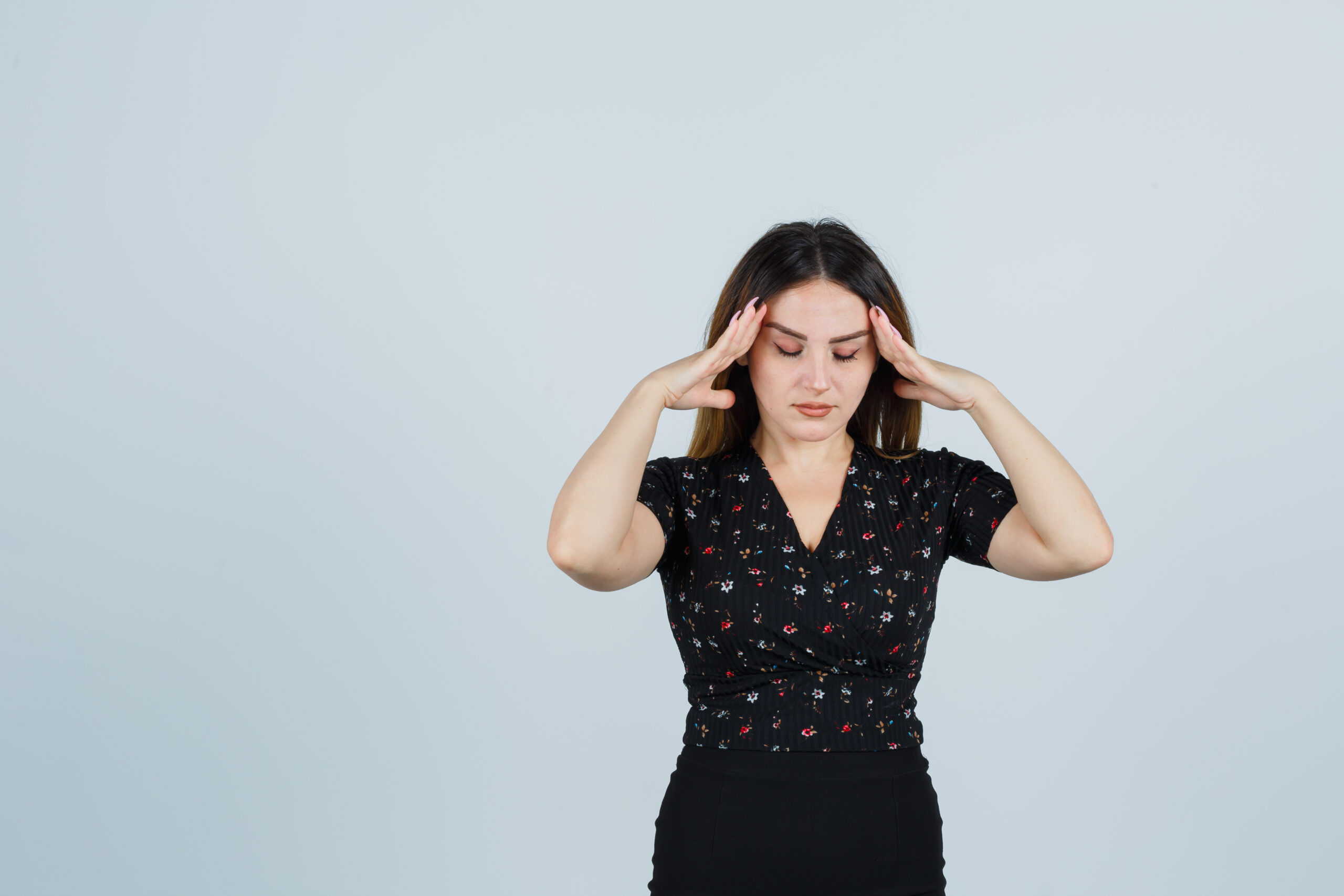
Have you ever noticed that your anxiety doesn’t just affect your mind—it affects your body too? The racing heart, constant fatigue, stomach issues, and muscle tension are all physical signs that anxiety is more than just “worrying too much.” Understanding why anxiety manifests physically is the first step toward reclaiming your health. With the guidance of experienced psychologists in Delhi, psychotherapy for anxiety can help you manage both your mental and physical symptoms, allowing you to regain control and live a healthier, calmer life.
How Does Anxiety Affect My Body?
Anxiety triggers a cascade of physical reactions. Here’s why it feels like your body is under attack:
- Fight-or-Flight Response: When anxious, your body releases stress hormones like cortisol and adrenaline. This prepares you to “fight or flee,” but prolonged activation can cause headaches, rapid heartbeat, and digestive issues.
- Digestive Disturbances: Anxiety affects your gut. Many people experience nausea, diarrhea, or irritable bowel symptoms when stressed.
- Muscle Tension: Chronic anxiety keeps muscles contracted, leading to pain, stiffness, and fatigue.
- Sleep Disruption: Racing thoughts and restlessness interfere with sleep, creating a vicious cycle of fatigue and anxiety.
Understanding these connections highlights why addressing anxiety is not just about mental health—it’s about holistic well-being.
Why Do I Feel Sick When I’m Anxious?
Feeling physically unwell during anxiety isn’t imaginary; it’s your body reacting to prolonged stress.
- Brain-Body Connection: The amygdala, the brain’s fear center, sends alarm signals that affect your entire nervous system.
- Immune System Impact: Chronic anxiety can weaken immunity, making you more susceptible to infections and inflammation.
- Exacerbation of Existing Conditions: Anxiety can intensify symptoms of migraines, asthma, and other chronic conditions.
Realizing this connection makes it clear that professional support can be crucial in breaking the cycle of mind-body distress.
How Can Psychotherapy for Anxiety Help Me Feel Better?
Psychotherapy for anxiety offers structured support to reduce both mental and physical symptoms. Experienced psychologists in Delhi often use evidence-based techniques to help you:
- Identify Triggers: Learn which thoughts, situations, or habits amplify your anxiety.
- Manage Stress Responses: Techniques like cognitive behavioral therapy (CBT) help retrain your brain to respond differently to stress.
- Improve Coping Skills: Mindfulness, relaxation exercises, and breathing techniques can reduce physical tension and improve sleep.
- Break the Anxiety-Fatigue Cycle: By addressing both mental and physical symptoms, therapy prevents anxiety from worsening over time.
Psychotherapy isn’t a quick fix—it’s a journey toward sustainable well-being.
When Should I Seek Counselling for Anxiety?
You might consider seeking professional help if you notice:
- Persistent physical symptoms like nausea, headaches, or rapid heartbeat without a clear medical cause.
- Anxiety is interfering with daily activities, work, or relationships.
- Difficulty managing stress despite self-help strategies.
At centers like the Psychowellness Center, experienced psychologists in Delhi provide online and in-person sessions to guide you through personalized anxiety management plans. Early intervention can prevent long-term physical and mental health complications.
Can Online Counselling Really Make a Difference?
Many people hesitate to seek help due to time constraints or stigma. Online counselling offers:
- Convenience: Attend sessions from home at flexible hours.
- Consistency: Regular sessions reinforce coping strategies and monitor progress.
- Privacy and Comfort: Speak openly with a professional in a secure environment.
Even virtual sessions with experienced psychologists in Delhi can help significantly reduce both mental and physical anxiety symptoms.
What Lifestyle Changes Complement Psychotherapy?
While counselling addresses the root causes of anxiety, small lifestyle adjustments can improve physical well-being:
- Exercise Regularly: Exercise increases endorphins and lowers stress chemicals.
- Balanced Diet: Nutrient-rich foods support the nervous system and stabilize energy levels.
- Sleep Hygiene: Consistent sleep schedules and relaxing bedtime routines improve recovery
. - Mindfulness Practices: Meditation, yoga, and deep breathing lower overall anxiety and reduce bodily tension.
Combining lifestyle changes with psychotherapy creates a comprehensive approach to managing anxiety.
How Do I Choose the Right Psychologist in Delhi?
Selecting a professional is crucial. Look for:
- Experience in Anxiety Disorders: Ensure the psychologist specializes in anxiety management.
- Evidence-Based Approaches: Techniques like CBT, mindfulness therapy, or exposure therapy have proven effectiveness.
- Empathy and Compatibility: A trusting relationship enhances therapy outcomes.
The Psychowellness Center connects you with highly experienced psychologists in Delhi who provide tailored anxiety therapy programs.
Final Thoughts: Managing Anxiety Before It Manifests Physically
Anxiety isn’t “just in your head.” Its effects ripple through your body, affecting digestion, sleep, muscles, and overall health. Recognizing these symptoms and seeking help through psychotherapy for anxiety can stop the cycle of mind-body distress. Whether you choose in-person sessions or online counselling, the support of experienced psychologists in Delhi ensures you get a structured plan to regain control over your mind and body. By combining professional guidance with mindful lifestyle changes, you can reduce physical symptoms, restore calm, and improve your quality of life.