
Tooth extraction is one of the most common dental procedures, often necessary due to decay, trauma, or overcrowding. While the procedure itself is typically straightforward, managing post extraction bleeding is crucial for proper healing and avoiding complications. Minor bleeding is normal, but understanding how to control it safely ensures a smoother recovery. This blog outlines the causes of bleeding after tooth extraction, immediate steps for control, preventive tips, and when to seek professional assistance. With proper care, you can protect both your oral health and overall wellbeing after a dental extraction.
Understanding Post Extraction Bleeding
Bleeding after tooth extraction is a natural part of the healing process. The gums are healing and forming a protective clot, which is essential to protect the exposed bone and nerve endings.
- Normal bleeding: Light oozing or slight staining of saliva with blood for 24–48 hours is expected.
- Excessive bleeding: Continuous heavy bleeding or bright red blood after the first day may indicate a problem and requires prompt attention.
The key to safe recovery is recognising the difference between minor and concerning bleeding. Following post operative instructions from your dentist reduces the risk of complications such as infection, dry socket, or delayed healing.
Immediate Steps to Control Bleeding
Managing bleeding correctly in the first few hours is vital. Here are the most effective techniques:
1. Bite on gauze
- Place a clean gauze pad directly over the extraction site.
- Apply firm, even pressure for 30–45 minutes.
- Avoid lifting or adjusting the gauze unnecessarily, as this can disturb the forming clot.
2. Avoid disturbing the clot
- Do not rinse, spit, or suck on the extraction site immediately after surgery.
- Straws, smoking, or vigorous mouth rinsing can dislodge the clot, leading to re bleeding.
3. Tea bag compress
- A damp, cooled tea bag can be used if bleeding persists.
- Tannins in tea help promote clotting and reduce bleeding.
4. Elevate your head
- Sit upright or prop your head with pillows when resting.
- This helps reduce blood pressure around the extraction site, minimising bleeding.
| Step | Purpose |
| Bite on gauze | Apply pressure and form clot |
| Avoid disturbing clot | Protects the healing site |
| Tea bag compress | Encourages clotting with tannins |
| Head elevation | Reduces blood flow to extraction site |
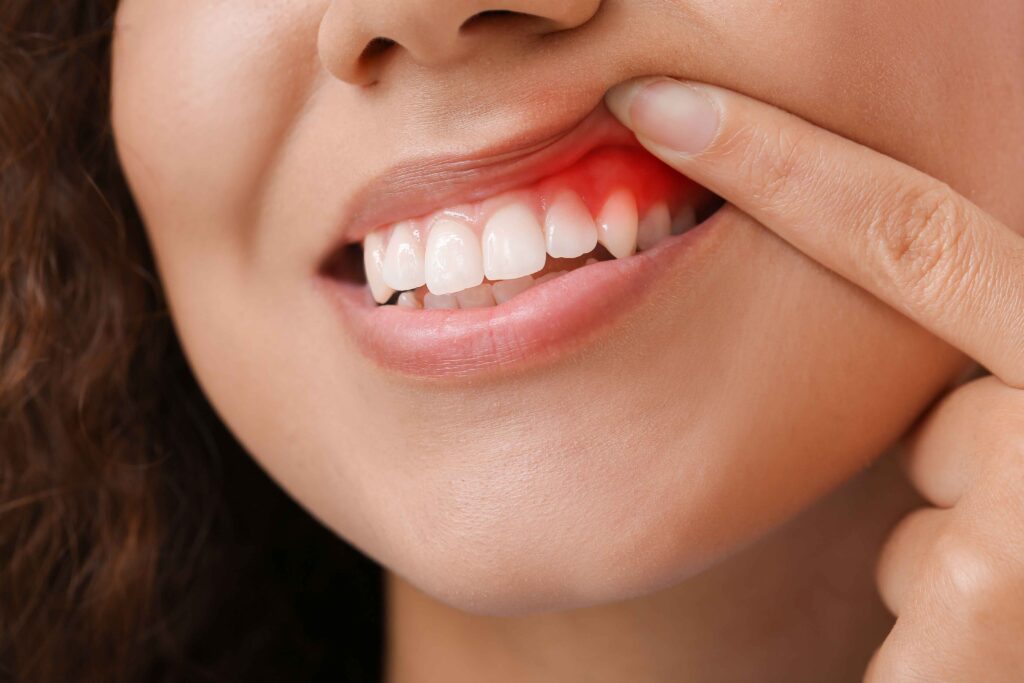
emergency dentist in Norwich
Lifestyle Tips for Minimising Bleeding Risk
Certain behaviours after extraction can increase the risk of continued bleeding. Implementing lifestyle precautions helps your gums heal safely:
- Avoid smoking and vaping: Nicotine constricts blood vessels and impairs clot formation.
- Avoid drinking through straws: Suction can dislodge the clot.
- Avoid strenuous activity: Exercise or heavy lifting can increase blood pressure and trigger bleeding.
- Diet considerations: Stick to soft, cool foods and avoid hot, spicy, or acidic meals for the first 24 hours.
- Hydration: Drink plenty of water, but avoid alcohol and carbonated beverages that may irritate the wound.
These small adjustments can significantly improve healing outcomes and reduce discomfort during recovery.
Recognising When Bleeding Is a Problem
While mild bleeding is expected, certain symptoms indicate the need for professional intervention. Contacting an emergency dentist in Norwich promptly can prevent serious complications.
Warning signs include:
- Continuous bleeding that soaks multiple gauze pads
- Bright red bleeding rather than dark, slow oozing
- Blood mixing with saliva in large amounts
- Severe swelling or pain unrelieved by painkillers
- Fever or general unwell feeling
Ignoring these signs can lead to infections, delayed healing, or conditions like dry socket, which is painful and requires additional dental care.
Role of Dental Professionals
Dental professionals play a crucial role in managing post extraction bleeding and ensuring safe recovery.
Emergency Dentists
- Assess the bleeding site and clot formation
- Apply local pressure or sutures if necessary
- Prescribe medications for pain or infection control
- Provide reassurance and guidance for proper home care
Hygienists
- Monitor gum healing in follow up visits
- Offer advice on maintaining oral hygiene without disturbing the extraction site
- Educate patients on techniques to prevent re bleeding and infection
Regular follow ups with a hygienist in Norwich complement professional care and support long term oral health, ensuring the extraction site heals without complications.
Additional Home Care Tips During Recovery
Proper home care reinforces professional treatment and promotes faster recovery:
- Gentle brushing: Use a soft bristled toothbrush, avoiding the extraction site initially
- Rinsing: Saltwater rinse after 24 hours to reduce infection risk and soothe tissues
- Pain management: Take over the counter analgesics as directed, but avoid aspirin, which may thin the blood
- Avoid touching the site: Keep fingers and tongue away from the extraction area to protect the clot
By maintaining these habits, patients can reduce the risk of bleeding, infection, and delayed healing.
Preventing Future Complications
Preventing complications after tooth extraction is as important as immediate bleeding management. Consider these tips:
- Follow pre and post operative instructions closely
- Avoid medications that thin the blood unless prescribed
- Maintain good oral hygiene, including brushing and flossing around remaining teeth
- Attend scheduled check ups with both your dentist and hygienist in Norwich
Proactive measures not only reduce the risk of post extraction bleeding but also ensure overall oral health remains strong.

hygienist in Norwich
When to Seek Urgent Care
Even with proper care, certain situations require immediate dental attention:
- Persistent heavy bleeding despite home measures
- Rapid swelling or spreading redness around the extraction site
- Signs of infection such as pus, fever, or discomfort
- Tooth mobility or sudden changes in bite alignment
Contacting an emergency dentist in Norwich promptly can prevent further complications and ensure timely management. Early intervention is key to a safe and comfortable recovery.
Conclusion
Bleeding after tooth extraction is a normal part of healing, but managing it safely is crucial to avoid complications. By following proper home care, lifestyle adjustments, and recognising warning signs, patients can protect their oral health. Regular follow up care with an emergency dentist and guidance from a hygienist ensure that the extraction site heals correctly and long term dental health is preserved. The team at Norwich is dedicated to providing compassionate, professional care, helping patients recover safely while maintaining a healthy and confident smile.