
When a student begins the journey of memorizing the Qur’an, one of the first practical questions that pops up is surprisingly simple: should they study from Printed Single Paras or a full Mushaf? It sounds like a minor choice. Just paper and ink, right? But ask any Hifz student, and you’ll quickly realize it’s more than that. The format you choose can shape your daily routine, your focus, even your confidence.
Visit any reputable Islamic books store in Pakistan, and you’ll see shelves lined with both options. Slim, lightweight individual paras stacked neatly beside beautifully bound full copies of the Qur’an. Both are popular. Both have loyal supporters. But which one do Hafiz students actually prefer? Let’s unpack it.
Understanding the Basics
Before diving into preferences, it helps to understand what we’re comparing.
What Are Printed Single Paras?
Printed Single Paras are individual sections (juz) of the Qur’an printed as separate booklets. Instead of carrying the entire Mushaf, a student carries only the specific para they’re memorizing. Simple. Focused. Minimal.
In many madrasas, especially across Pakistan, these booklets are everywhere. An Islamic books store in Pakistan often dedicates an entire section to them because Hifz programs purchase them in bulk. They’re affordable, easy to replace, and convenient for daily lessons.
What Is a Full Mushaf?
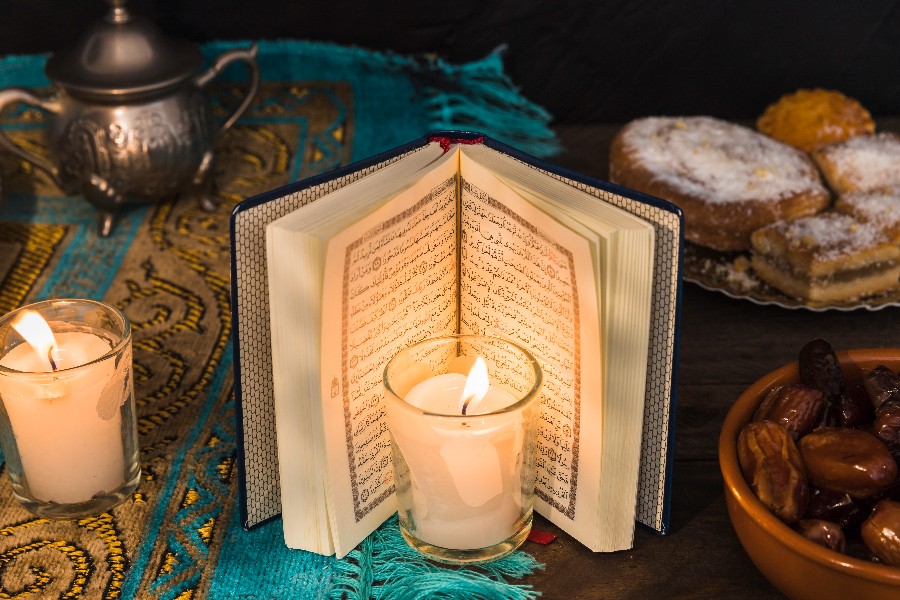
A full Mushaf contains the entire Qur’an in one bound volume. It’s the traditional format most Muslims are familiar with. From childhood, many of us saw our elders reciting from a complete Mushaf at home, in the masjid, or during Ramadan Taraweeh.
There’s something emotionally powerful about holding the entire Qur’an in your hands. It feels complete. Sacred. Unified.
So where does that leave the Hafiz student?
Why Many Hafiz Students Prefer Single Paras

Let’s start with the practical side. Because when you’re memorizing pages every single day, practicality matters.
1. Portability and Ease
A full Mushaf can be heavy, especially the larger Indo-Pak script editions commonly used for Hifz. Now imagine a 10-year-old student carrying that back and forth from madrasa daily. Not ideal.
That’s where Printed Single Paras shine. They’re light. Slim. Easy to tuck into a school bag without taking up much space. If a student is only revising one para, why carry all thirty?
For younger students in particular, this makes a huge difference. Less physical strain means more mental energy for memorization.
2. Focused Memorization
Here’s the kicker: memorization thrives on focus.
When a student opens a single para booklet, there are no distractions. No flipping ahead to see how much is left. No accidental glimpses of future sections. Just the portion they’re currently mastering.
Teachers often say this helps students build a psychological boundary. “This is my world for now.” And when that para is complete? A satisfying sense of closure.
It’s no surprise that Printed Single Paras are often recommended by instructors in leading madrasas. An Islamic books store in Pakistan catering to Hifz institutions will confirm—they’re in constant demand.
3. Cost-Effective and Replaceable
Let’s be honest. Kids lose things. Pages tear. Covers get worn out.
Replacing an entire Mushaf can be costly. Replacing a single para booklet? Much easier. Many families prefer buying Printed Single Paras one at a time as their child progresses.
This gradual investment also feels motivating. Each new para purchased is a milestone. A small celebration of progress.
The Case for the Full Mushaf

That being said, the full Mushaf has strong advocates too. And their reasons are just as compelling.
1. Visual Memory Consistency
Hifz isn’t just about repeating words. It’s deeply visual. Students often remember where an ayah appears on a page—top left corner, middle right, near the bottom margin.
When using a full Mushaf, the layout remains consistent from start to finish. The student becomes intimately familiar with the entire book’s visual structure.
Switching between separate Printed Single Paras can sometimes disrupt that visual continuity, especially if the print layout varies slightly between booklets. This is why many experienced Huffaz eventually transition to a full Mushaf for long-term revision.
2. Spiritual Connection
There’s something powerful about seeing the entire Qur’an bound together. For some students, it reinforces the magnitude of what they’re undertaking.
I once heard a young Hafiz say, “When I hold the full Mushaf, I feel like I’m holding my goal.”
That emotional connection can’t be underestimated. While practicality matters, so does inspiration.
An Islamic books store in Pakistan often offers beautifully bound Mushafs specifically designed for Hifz students—clear script, durable binding, and consistent pagination. These editions are chosen carefully because layout consistency matters enormously in memorization.
3. Better for Long-Term Revision
After completing Hifz, students move into a lifetime of revision. At this stage, many prefer using a full Mushaf. It allows seamless navigation between paras and surahs without juggling multiple booklets.
For Taraweeh preparation or teaching others, carrying one complete Mushaf is simply more efficient.
What Do Teachers Recommend?
Here’s where it gets interesting.
Most Hifz teachers recommend a hybrid approach.
Students often begin with Printed Single Paras during the early stages. The simplicity helps them build confidence. There’s less overwhelm. Fewer pages staring back at them.
But as they advance—especially after memorizing half or more of the Qur’an—teachers gradually introduce the full Mushaf. This helps standardize visual memory and prepare them for comprehensive revision.
In fact, if you walk into a well-stocked Islamic books store in Pakistan, staff members will often suggest this exact progression to parents unsure about which format to choose.
Factors That Influence Preference
Every student is different. Let’s break down what typically influences the choice.
Age and Physical Comfort
Younger children generally gravitate toward Printed Single Paras due to their light weight and manageable size. Older students, especially teenagers, may not mind carrying a full Mushaf daily.
Learning Environment
Some madrasas require a specific standardized Mushaf edition. Others encourage paras for early-stage students. Institutional policy often shapes preference more than personal choice.
Teacher Guidance
A teacher’s methodology plays a huge role. If a teacher emphasizes page-position memorization across the entire Qur’an, they’ll likely encourage using one consistent full Mushaf.
Budget Considerations
For families managing tight budgets, buying paras gradually can feel more financially practical. Islamic books store in Pakistan outlets often offer bulk discounts for madrasas, but individual families still weigh cost carefully.
The Psychological Edge
Here’s something people rarely talk about: mindset.
When a student finishes memorizing a para and physically sets it aside, there’s a tangible sense of accomplishment. It’s visible progress. That stack of completed booklets grows over time, quietly building confidence.
On the flip side, flipping through a thick Mushaf and seeing how much remains can sometimes feel intimidating, especially in the early months.
Motivation matters in Hifz. Anything that keeps a student consistent is valuable.
A Practical Comparison Table (In Words)
Let’s summarize the strengths clearly:
Printed Single Paras:
- Lightweight and portable
- Cost-effective and replaceable
- Encourages focused memorization
- Ideal for beginners
Full Mushaf:
- Visual consistency across the entire Qur’an
- Strong spiritual and emotional impact
- Better suited for long-term revision
- Essential for Taraweeh and teaching
Both formats are widely available at any reliable Islamic books store in Pakistan, so accessibility isn’t usually the issue. The decision comes down to stage and strategy.
So, What Do Hafiz Students Prefer?

If you ask beginners? Most lean toward Printed Single Paras.
If you ask advanced students or completed Huffaz? Many prefer the full Mushaf for revision.
In reality, preference evolves over time. What works at year one may not work at year three.
And that’s perfectly okay.
Actionable Tips for Parents and Students
If you’re trying to decide, here’s a practical roadmap:
- Start with Printed Single Paras for younger or new students.
- Choose a standardized, widely used script (like Indo-Pak 15-line format).
- Gradually introduce a full Mushaf once memorization gains momentum.
- Stick to one consistent print layout to strengthen visual memory.
- Consult teachers before purchasing in bulk from an Islamic books store in Pakistan.
Small decisions early on can have a big impact later.
Final Thoughts
At the end of the day, the goal isn’t about format. It’s about consistency, discipline, and love for the Qur’an.
Some students thrive with Printed Single Paras, enjoying the clarity and sense of progress. Others feel anchored by the presence of a full Mushaf in their hands.
Neither choice is wrong. Both have produced thousands of Huffaz across generations.
What matters most? Choosing the format that supports focus, reduces overwhelm, and keeps motivation alive. Because Hifz is a marathon, not a sprint. And whether the journey unfolds page by page in separate booklets or within the covers of a single Mushaf, the destination remains beautifully the same.