Introduction to Denim Tears Clothing
Fashion has always been more than just something you throw on before heading out the door. At its best, fashion speaks. It protests. It remembers. And sometimes, it heals. Denim Tears Clothing sits right at that intersection where style meets substance, where garments carry stories heavier than the fabric they’re made from. Denim Tears Clothing: Where Fashion Meets Cultural Storytelling. In a world flooded with fast fashion and recycled trends, Denim Tears stands apart by doing something bold—using clothing as a living archive of cultural memory.
At first glance, Denim Tears may look like another high-end streetwear label. Clean silhouettes, familiar denim cuts, hoodies, tees—it checks all the boxes. But spend even a few seconds with the brand, and you realize it’s not just about aesthetics. Every piece is intentional. Every graphic, stitch, and fabric choice is loaded with meaning. This is fashion that asks you to think, feel, and reflect.
What truly sets Denim Tears apart is how it taps into African American history without diluting it for mass consumption. It doesn’t shout. It doesn’t over-explain. Instead, it trusts the audience to engage with the message. The brand exists in a space where art, history, and streetwear overlap, creating something that feels both deeply personal and universally relevant.
In an era where many brands chase clout, Denim Tears chases truth. And that’s exactly why it has captured the attention of cultural tastemakers, celebrities, and everyday people who want their clothes to stand for something. Denim Tears isn’t just worn—it’s felt. It’s a reminder that what we wear can carry weight, tell stories, and spark conversations long after trends fade.
The Origin of Denim Tears
Every meaningful brand starts with a purpose, and Denim Tears is no exception. The origin of this label is rooted not in market research or trend forecasting, but in lived experience, cultural awareness, and a deep desire to tell stories that often go unheard. Denim Tears emerged during a time when conversations around race, identity, and historical accountability were becoming impossible to ignore—and it leaned directly into that moment rather than shying away from it.
The brand was founded with the intention of using fashion as a historical lens. Denim, a fabric synonymous with American labor and working-class identity, became the perfect canvas. For generations, denim has symbolized resilience, durability, and endurance. Denim Tears took that symbolism and layered it with deeper historical context, especially the legacy of African American labor and exploitation.
Rather than launching with flashy marketing or loud branding, Denim Tears let the work speak for itself. Early releases felt almost like art installations—quiet, powerful, and emotionally charged. Denim Tears Clothing: Where Fashion Meets Cultural Storytelling. The brand didn’t rush to please everyone. Instead, it focused on authenticity, trusting that the right audience would connect with the message.
What’s especially compelling about Denim Tears’ origin is how organic its growth has been. There was no overnight viral moment manufactured by hype machines. The recognition came because people felt something when they saw the designs. They recognized the pain, the pride, and the truth woven into every piece.
In many ways, Denim Tears was born out of necessity—the necessity to remember, to honor, and to confront history through a medium that reaches people every day. Clothing is universal. Everyone wears it. And Denim Tears understood that if you want to start conversations that matter, putting them on people’s backs might be one of the most powerful ways to do it.
The Founder’s Background and Creative Philosophy
Behind Denim Tears is a creative force whose background plays a massive role in shaping the brand’s identity. The founder is not just a designer but a storyteller, curator, and cultural historian at heart. Denim Tears Clothing: Where Fashion Meets Cultural Storytelling. His journey through art, music, and fashion gave him a unique lens—one that sees clothing not as product, but as narrative.
Growing up immersed in Black culture, history, and creative expression, the founder developed a deep awareness of how stories are told—and more importantly, how many are erased. Denim Tears Hoodie That awareness became the backbone of Denim Tears. The brand’s philosophy is rooted in truth-telling. It doesn’t aim to be comfortable or trendy. It aims to be honest.
What sets his creative philosophy apart is the refusal to separate fashion from politics, history, and identity. For Denim Tears, these elements are inseparable. Each collection functions like a chapter in a larger story—one that explores the African American experience through symbols, materials, and design references that demand attention.
Rather than chasing seasonal trends, the founder approaches each release with intention. Designs are researched, debated, and refined until they accurately reflect the message being conveyed. This slow, thoughtful process stands in sharp contrast to the fast-paced nature of modern fashion, making Denim Tears feel more like a cultural project than a brand.
Ultimately, the creative philosophy behind Denim Tears is about reclaiming narratives. Denim Tears Clothing: Where Fashion Meets Cultural Storytelling. It’s about using visibility—whether on a runway, a street corner, or social media—to remind the world of histories that still shape the present. And that philosophy is felt in every piece the brand releases.
The Meaning Behind the Name “Denim Tears”
The name Denim Tears isn’t catchy by accident. It’s poetic, heavy, and deeply symbolic. Denim, as a fabric, represents America—its labor, its industry, its myths of hard work and opportunity. Denim Tears Clothing: Where Fashion Meets Cultural Storytelling. Tears, on the other hand, represent pain, loss, and grief. When you put those two words together, you get a name that encapsulates an entire history in just two syllables.
Denim has long been associated with working-class labor, particularly in the United States. From miners and farmers to factory workers, denim clothed the bodies that built the nation. But that narrative often skips over a crucial truth—the forced labor of enslaved African Americans who worked cotton fields long before denim became a fashion staple. Denim Tears brings that erased history back into focus.
The “tears” in the name serve multiple meanings. They reference the emotional pain tied to historical trauma, but they also symbolize resilience. Denim Tears Clothing: Where Fashion Meets Cultural Storytelling. Tears fall, but they don’t erase strength. In that sense, the name captures both suffering and survival, grief and endurance.
What makes the name so powerful is how it reframes denim. Instead of seeing it as neutral or purely aesthetic, Denim Tears asks you to see it as a witness. A fabric that has absorbed centuries of labor, struggle, and unacknowledged contributions. The name alone challenges wearers to think differently about something as everyday as jeans.
In a fashion landscape filled with abstract or meaningless brand names, Denim Tears stands out because it tells you exactly what it’s about—raw truth, emotional depth, and cultural memory stitched into every seam. Denim Tears Clothing: Where Fashion Meets Cultural Storytelling.
Denim Tears and African American History
Denim Tears doesn’t tiptoe around history—it confronts it head-on. At the core of the brand is a deep engagement with African American history, particularly the legacy of slavery, forced labor, and systemic oppression that continues to shape society today. Rather than presenting history as something distant or abstract, Denim Tears brings it into the present, making it wearable, visible, and impossible to ignore.
One of the most powerful aspects of the brand is how it uses symbolism instead of slogans. There are no long explanations printed across garments. Instead, subtle yet striking imagery does the work. Denim Tears Clothing: Where Fashion Meets Cultural Storytelling. This approach respects the intelligence of the audience while also honoring the seriousness of the subject matter.
By placing historical references on everyday clothing, Denim Tears blurs the line between art and utility. A pair of jeans becomes a historical document. A hoodie becomes a conversation starter. This transformation is intentional. It forces history into spaces where it’s often absent—street corners, social media feeds, and casual encounters.
The brand also challenges the idea that fashion should be escapist. Denim Tears argues that fashion can be reflective. It can acknowledge pain without being exploitative. It can honor ancestors without commodifying their suffering. That balance is difficult to achieve, but Denim Tears handles it with care and respect.
In doing so, the brand has carved out a unique space in fashion—one where African American history isn’t treated as a trend, but as a foundation. It’s not about nostalgia. It’s about recognition, accountability, and visibility.
Cotton Wreath Motif Explained
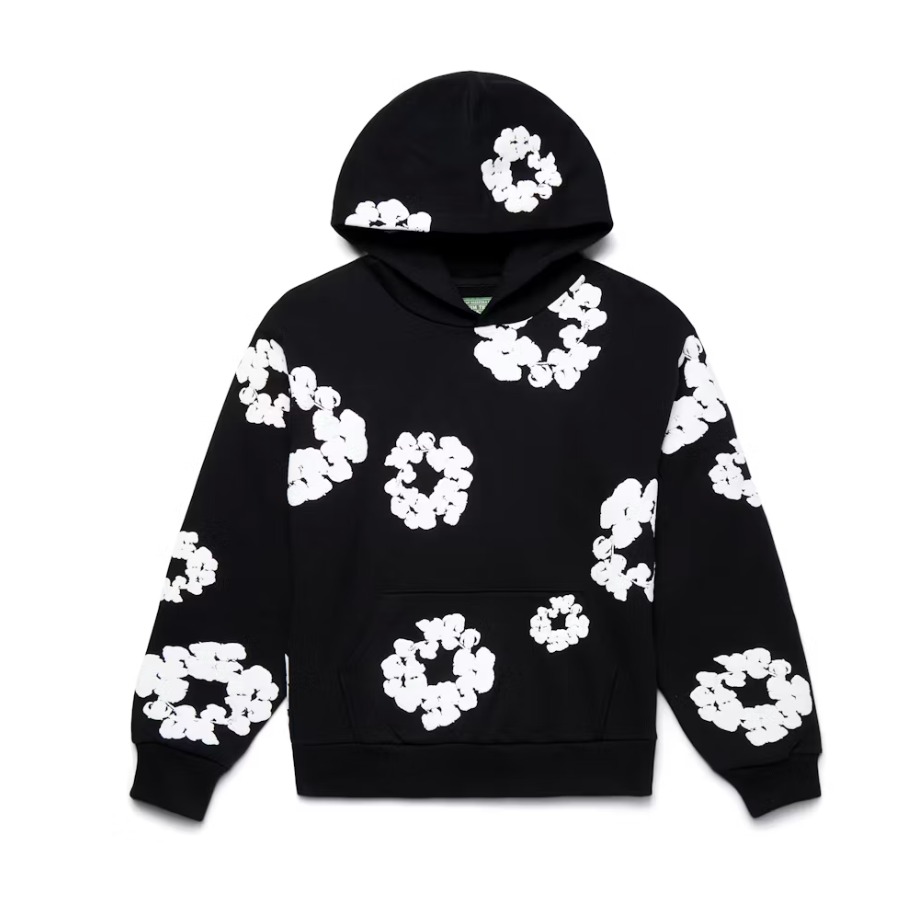
One of the most recognizable and talked-about elements of Denim Tears is the cotton wreath motif. Simple in appearance yet monumental in meaning, this design choice sparked global conversation the moment it appeared. At first glance, it looks almost decorative. But once you understand its symbolism, it hits hard.
Cotton is inseparable from the history of slavery in America. Enslaved Africans were forced to cultivate and harvest cotton under brutal conditions, generating immense wealth for others while enduring unimaginable suffering. By placing cotton imagery on clothing, Denim Tears forces a confrontation with that reality.
The wreath shape adds another layer of meaning. Traditionally, wreaths symbolize honor, remembrance, and mourning. Denim Tears Clothing: Where Fashion Meets Cultural Storytelling. By forming cotton into a wreath, the design becomes a memorial—one that honors the lives, labor, and pain of those whose stories are often erased from mainstream narratives.
What makes this motif so powerful is its restraint. There’s no shock value, no graphic imagery. Just cotton. Just a wreath. And yet, it communicates more than words ever could. It invites reflection rather than reaction, making it one of the most effective visual statements in modern fashion. The cotton wreath isn’t meant to be comfortable. It’s meant to be honest. And in that honesty lies its impact. Shop Now