Meat goes bad fast when you do not handle it right from purchase to cooking. Spoiled protein makes people sick and wastes money you spent at grocery stores or butcher shops. Every year families throw away pounds of meat that turned bad before they could use it. Meat freshness control saves both health and money by keeping proteins safe to eat longer. Small mistakes in storage temperature or handling time create big problems with bacterial growth happening. Understanding simple rules protects your family from food poisoning and your budget from unnecessary waste. These practical methods work for everyone cooking at home or running food businesses daily.
What Temperature Range Keeps Bacteria From Multiplying On Raw Meat?
Cold slows down bacterial growth but does not stop it completely in refrigerated meat products. Your fridge needs to stay at 40 degrees or lower to keep meat safe for several days. Freezers should reach zero degrees to halt bacteria completely during long term storage periods used. Between 40 and 140 degrees bacteria double every 20 minutes creating dangerous amounts very quickly. Leaving meat out on counters lets it hit this danger zone within just one hour. Digital thermometers inside fridges show real temperatures, not just what dials claim they are. Checking actual temperatures weekly catches problems before entire batches of meat spoil from warmth. Consistent cold storage forms the basis of meat freshness control in homes and restaurants across everywhere.
How Can You Spot Spoiled Meat Before It Makes Someone Sick?
Color changes from bright red to brown or gray signal oxidation and age in beef. Sticky or slimy surfaces mean bacteria produced films that cover meat as they multiplied rapidly. Bad smells like sour or rotten indicate decomposition started and meat cannot be saved. Wrapping that bulges or leaks shows gases from bacteria built up inside sealed boxes. Fresh meat feels firm while old meat gets mushy from breaking down protein structures inside. Selling dates helps but your nose and eyes catch problems dates might miss sometimes. Trusting your senses prevents eating meat that went bad despite still being within date ranges. Early detection through meat freshness control stops sickness before anyone takes a single bite of.
Why Does Proper Wrapping Matter For Frozen Meat Storage Success?
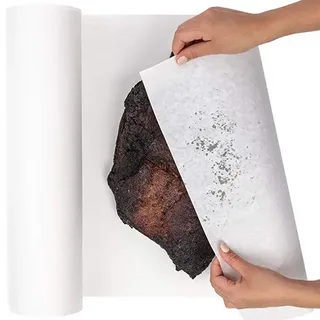
Air exposure causes freezer burn creating dry gray spots that taste terrible when cooked later. Tight wrapping removes air pockets where ice crystals form and damage meat texture over time. Bulk butcher paper absorbs surface moisture preventing it from freezing and creating burn on proteins. Double wrapping in plastic then foil gives extra protection for items stored many months ahead. Vacuum sealing removes all air giving the longest freezer life without quality loss from oxidation happening. Writing dates on wraps helps you use the oldest meat first, avoiding waste from forgotten items. Different wrapping methods suit different storage times from days to months depending on your needs. Strategic wrapping extends meat freshness control by protecting against environmental damage during frozen storage times.
How Does Cross Contamination Happen And How Can You Prevent It?
Raw meat drips juices containing bacteria onto vegetables or cooked foods stored below it unknowingly. Using the same cutting board for raw chicken then vegetables spread salmonella without proper washing between. Hands touching raw meat then other foods transfer bacteria to everything else you handle afterward. Utensils used for raw proteins need washing before touching anything else during cooking preparation. Separate dedicated boards for raw meat and everything else eliminates most cross contamination risks. Washing hands with soap for 20 seconds between handling different foods stops bacteria from spreading completely. Wax papers Hub makes barriers that separate raw and ready foods during storage preventing contact. Separation protocols are critical for meat freshness control by keeping dangerous bacteria away from safety.
What Purchase Habits At Stores Help Ensure Longer Shelf Life?
Choosing wraps with furthest sell by dates gives you maximum time before meat must cook. Avoiding torn or damaged wrapping prevents bacteria from entering and contaminating meat inside already. Picking coldest wraps from the back of cases means meat stays at better temperatures throughout the display. Shopping for meat last during trips and going straight home prevents it from warming in cars. Inspecting color and appearance before buying catches old inventory stores trying to move before expiration dates. Asking when fresh deliveries arrive lets you shop for the newest stock with the longest remaining life. Bringing coolers for longer trips home keeps meat cold protecting quality during transport to kitchens. Smart buying starts meat freshness control before you even leave the parking lot of grocery stores.
Why Should Thawing Methods Follow Specific Safety Rules Always?
Counter thawing lets outside warm up to the danger zone while inside stays frozen creating problems. Refrigerator thawing takes the longest but keeps the entire piece at safe cold temperatures throughout the defrosting process. The cold water method works faster but needs water changes every half hour to maintain safety. Microwave thawing creates hot spots requiring immediate cooking before bacteria grow in warmed areas. Planning ahead for slow fridge thawing prevents rushed methods that risk safety for convenience. Once thawed meat must cook within two days maximum before spoilage begins in USA homes. Kraft Paper can line thawing trays catching drips that might contaminate refrigerator shelves during defrosting time. Proper defrosting maintains meat freshness control during vulnerable periods when proteins change from frozen to.
How Can Marinades Affect Safety During Storage Before Cooking Happens?
Acidic marinades slow bacteria slightly but never replace the need for cold storage at safe temperatures. Marinating must happen inside refrigerators not on counters where bacteria ignore acid and multiply anyway. Used marinades touch raw meat and need boiling before reusing or they spread bacteria everywhere. Time limits exist with most meats needing under 24 hours in marinades before cooking them. Metal boxes react with acids changing flavors and possibly creating safety issues over long soaking. Covering marinating meat prevents spills and stops juices from contaminating other refrigerator contents nearby. Understanding that marinades help flavor but not safety keeps realistic expectations about meat freshness control. Acids add taste but temperature control and timing still matter most for preventing sickness.
What Final Cooking Temperatures Guarantee Safety Even With Fresh Meat?
Ground beef needs 160 degrees internally because grinding spreads surface bacteria throughout the entire product completely. Whole steaks can be rarer at 145 degrees since bacteria stay on outside that sears. Poultry requires 165 degrees to kill salmonella and other common chicken bacteria found naturally. Pork also needs 145 degrees followed by three minute rest letting heat finish killing organisms. Thermometers give accurate readings since color alone does not prove meat reached safe internal temperatures. Resting after cooking allows heat to spread evenly killing any bacteria in cooler center areas. Proper cooking completes meat freshness control by eliminating bacteria that survived even perfect storage methods. Final temperatures matter because even fresh meat has some bacteria that only heat can destroy.