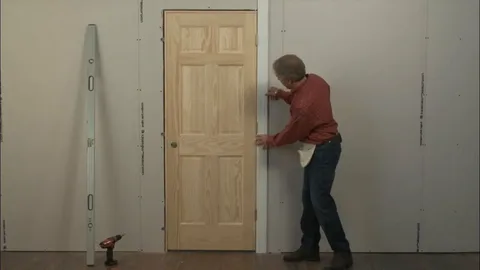
Doors are a critical element of any home, not just for aesthetics but also for functionality, security, and comfort. When planning a door installation, it’s essential to understand the differences between interior and exterior doors. Each type serves a unique purpose, requires specific installation techniques, and impacts your home in distinct ways. Choosing the right door and installation approach ensures durability, energy efficiency, and long-term satisfaction.
In this article, we will explore the differences between interior and exterior doors, their specific requirements, and key considerations for a successful door installation.
1. Purpose of Interior vs. Exterior Doors
The primary distinction between interior and exterior doors lies in their intended purpose.
Interior Doors
- Separate rooms within a home and provide privacy.
- Offer sound insulation between spaces such as bedrooms, bathrooms, or offices.
- Enhance interior design by complementing furniture, wall colors, and décor.
- Typically lighter in weight compared to exterior doors.
Exterior Doors
- Act as the first line of defense against intruders.
- Protect against weather elements such as wind, rain, and extreme temperatures.
- Provide insulation to improve energy efficiency and maintain indoor comfort.
- Often heavier and constructed from more durable materials like solid wood, steel, or fiberglass.
Understanding the purpose of each type is the first step in planning a door installation that meets your home’s needs.
2. Material Differences
The material of a door is one of the most important factors to consider for proper installation and long-term performance.
Interior Doors
- Usually made from lighter materials such as hollow core wood, MDF (medium-density fiberboard), or composite materials.
- Less expensive than exterior doors due to lower exposure to weather and minimal security requirements.
- Available in various styles, including panel doors, flush doors, and French doors.
Exterior Doors
- Constructed with durability and security in mind. Common materials include:
- Solid wood: Offers a classic aesthetic, strength, and longevity.
- Steel: Provides high security and low maintenance.
- Fiberglass: Resistant to weather, rot, and termites.
- May include features like glass panels for natural light, security reinforcements, or insulated cores.
Choosing the appropriate material for your door installation ensures the door can withstand its intended environment.
3. Security Considerations
Security is a major differentiator between interior and exterior doors.
Interior Doors
- Primarily designed for privacy rather than security.
- Typically use standard door handles or simple locksets for bedrooms or bathrooms.
- May include keyed locks for home offices or storage rooms.
Exterior Doors
- Require robust locking systems, such as deadbolts, multi-point locks, and reinforced strike plates.
- Security is enhanced by strong materials and professional installation to prevent forced entry.
- May include additional features like peepholes, security cameras, or smart locks.
Professional door installation is especially critical for exterior doors, as improper alignment or installation can compromise home security.
4. Insulation and Weatherproofing
Exterior doors play a significant role in energy efficiency, whereas interior doors have minimal impact.
Interior Doors
- Provide limited sound insulation and do not need weatherproofing.
- Focus is on aesthetics and privacy rather than energy efficiency.
Exterior Doors
- Must be properly insulated to prevent heat loss or gain.
- Installation requires weatherstripping, door sweeps, and tight-fitting frames to maintain indoor temperatures.
- Proper insulation also reduces utility bills and enhances comfort.
A high-quality door installation with effective sealing ensures exterior doors function efficiently in all seasons.
5. Installation Complexity
The techniques for installing interior and exterior doors differ due to their construction, weight, and purpose.
Interior Door Installation
- Generally simpler and faster due to lighter weight and minimal security requirements.
- Requires aligning the door in the frame, attaching hinges, and installing handles or locks.
- Less preparation is needed for the frame since it’s usually within an interior wall.
Exterior Door Installation
- Requires careful measurement and adjustment to ensure security and insulation.
- Heavier doors may require extra support and precise hinge placement.
- Frames must be plumb, level, and square to prevent gaps and drafts.
- Professional installation is often recommended to guarantee proper fit and long-term performance.
Understanding the installation requirements of each type ensures a smooth door installation process.
6. Maintenance Requirements
Maintenance varies depending on whether a door is interior or exterior.
Interior Doors
- Require minimal upkeep, such as occasional cleaning or touch-up painting.
- Less exposure to wear and tear or weather-related damage.
- Repairs are typically minor and can be handled by homeowners.
Exterior Doors
- Require ongoing maintenance to maintain durability and appearance.
- Wooden doors may need refinishing or staining to prevent moisture damage.
- Steel or fiberglass doors may require periodic cleaning and inspection of seals and hardware.
- Proper maintenance ensures your door installation remains effective and secure over time.
7. Design and Aesthetic Considerations
Doors are also an integral part of your home’s design. The style and finish of interior and exterior doors can significantly impact the overall aesthetic.
Interior Doors
- Wide range of styles including flush, paneled, French doors, or pocket doors.
- Can be painted or stained to match interior décor.
- Often designed to complement furniture, flooring, and wall colors.
Exterior Doors
- Serve as a focal point for your home’s exterior.
- Often feature decorative elements, glass inserts, or side panels.
- Design choices should balance aesthetics with functionality and security.
Selecting the right design and coordinating with proper door installation enhances the home’s overall appeal.
8. Cost Considerations
The cost of doors and installation varies significantly depending on whether it’s an interior or exterior door.
Interior Doors
- Lower cost due to lighter materials and simpler installation.
- Can be replaced more frequently without significant investment.
Exterior Doors
- Higher cost due to durable materials, locks, insulation, and professional door installation requirements.
- A well-installed exterior door is an investment in home security, energy efficiency, and property value.
Considering cost alongside functionality ensures you choose doors that meet both budget and performance expectations.
9. Common Mistakes to Avoid
Regardless of the door type, certain mistakes can compromise performance:
- Incorrect measurements leading to gaps or misalignment.
- Using the wrong type of door for the intended purpose.
- Skipping weatherproofing or insulation for exterior doors.
- Poor hinge or lock installation reducing security.
- Neglecting maintenance over time, leading to wear, warping, or damage.
Avoiding these mistakes ensures a successful and long-lasting door installation.
10. Professional vs. DIY Installation
While interior doors can sometimes be installed by skilled DIY enthusiasts, exterior doors often require professional expertise.
When to Hire Professionals
- Exterior doors that require precise alignment, insulation, and security.
- Doors with heavy materials like steel or solid wood.
- Fire-rated doors that must meet specific code requirements.
A professional door installation guarantees a secure fit, proper operation, and compliance with safety standards.
Conclusion
Understanding the differences between interior and exterior doors is essential for a successful door installation. Interior doors prioritize privacy, aesthetics, and sound insulation, while exterior doors focus on security, durability, and weather protection. Proper installation is critical for both types, ensuring functionality, safety, and longevity.
Investing in professional installation for exterior doors, maintaining both interior and exterior doors, and choosing the right materials and designs can improve your home’s safety, energy efficiency, and overall appeal. Whether replacing a bedroom door or upgrading your front entrance, knowing the unique requirements of each type ensures a smooth and effective door installation experience.