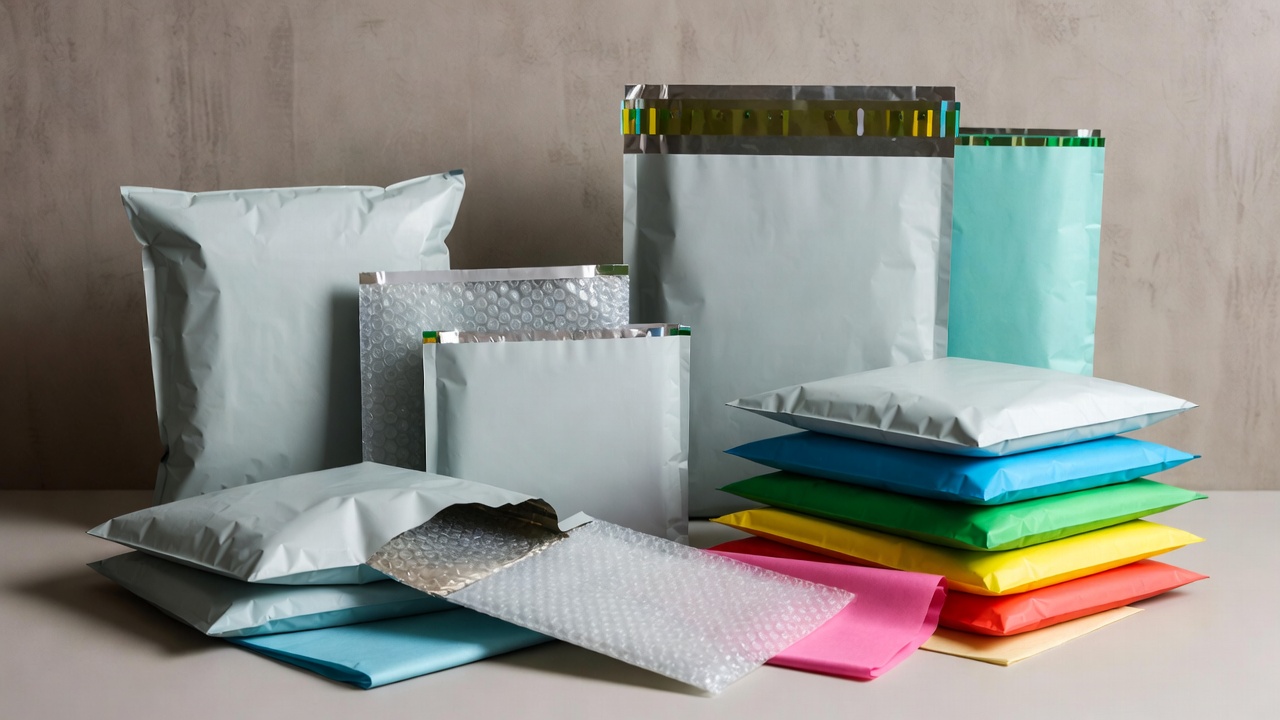
Today, packaging is no longer limited to moving products from one place to another. It plays a significant role in protecting items, thereby reducing environmental impact while shaping the customer experience. As e-commerce and direct-to-consumer shipping grow, businesses are seeking lightweight, secure, and environmentally responsible packaging solutions. This is where mailing bags come into play as a modern packaging strategy.
Mailing bags offer a practical balance between protection, sustainability, and cost efficiency, making them suitable for fashion and accessories or for documents and soft goods. The versatility and reliability of these bags make them ideal for businesses of all sizes.
Why Are Mailing Bags Essential in Modern Packaging?
Mailing bags are lightweight packaging designed for secure and efficient shipping. These bags reduce shipping weight, lowering transportation costs and minimising environmental impact when compared to rigid boxes. The bag’s compact structure reduces the need for excess void fill, making it an efficient packaging choice.
Adaptability is another reason why mailing bags have become an essential packaging material. They can be used to pack apparel, textiles, books, printed materials, and even gift items when paired with inner protective layers, such as coloured acid-free tissue. The flexibility allows businesses to maintain consistent packaging across product ranges while ensuring adequate protection.
Mailing bags are made from recyclable or responsibly sourced materials, aligning with the growing demand for eco-conscious packaging. Nowadays, customers are more aware of packaging waste, and businesses are choosing sustainable mailing solutions that are better positioned to build trust and long-term loyalty.
What Types of Mailing Bags Support Secure and Sustainable Packaging?
There are several types of mailing bags available today. Each type is designed to meet different packaging needs. Choosing the type of bag depends on the product type, level of protection required, and presentation goals.
White Mailing Bags for Clean and Minimal Packaging
White mailing bags are popular among businesses that prefer a clean, minimal, and professional appearance. The white colour makes the packaging suitable for a wide range of products, including clothing, documents, and lightweight accessories.
These mailing bags feature a smooth surface that looks neat and refined, and they are durable during transit. When combined with coloured acid-free tissue, these mailing bags can protect delicate items from creasing, friction, and moisture, and enhance the unboxing experience.
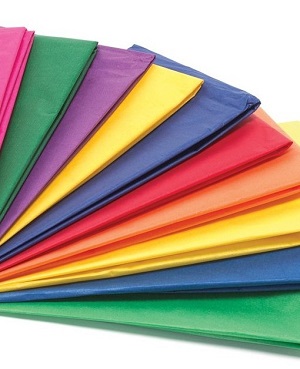
Grey Mailing Bags for Discreet and Durable Shipping
Today, mailing bags are popular because of their understated appearance and strong protective qualities. These are ideal for shipping products that require privacy and durability, such as apparel, soft goods, and retail items.
The neutral colour of grey mailing bags helps to mask dirt or scuff marks that may occur during transportation and ensures the package looks presentable upon delivery. These mailing bags are valued for their strength, making them suitable for long-distance shipping while meeting sustainability standards.
Coloured Mailing Bags for Brand Expression and Visibility
Coloured bags are attracting attention as businesses seek packaging that stands out. These bags are available in various shades, which allows the company to add personality to their packaging while maintaining functionality.
Coloured mailing bags not only enhance aesthetics but also offer the same protective benefits as neutral options. When paired with coloured acid-free tissue, these mailing bags help secure items in the package, reduce movement, and prevent surface damage. This combination is effective for fashion and lifestyle products where presentation matters as much as protection.
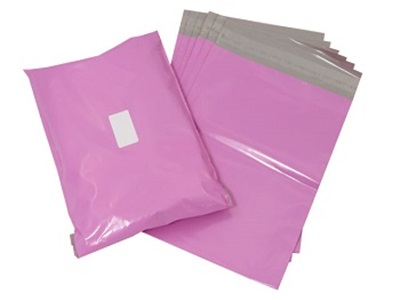
How Does Coloured Acid-Free Tissue Enhance Mailing Bag Packaging?
The coloured acid-free tissue is essential for ensuring the safety of inner packaging. This tissue is commonly used inside mailing bags to wrap products, cushion surfaces, and prevent scratches or creases.
Acid-free tissue is preferred as it does not damage fabrics or finishes over time. It is ideal for delicate items such as garments, accessories, or printed materials. Using acid-free tissue can add a visual layer to the packaging, which enhances the customer’s unboxing experience without compromising sustainability. The combination of mailing bags and protective tissue creates a balanced packaging solution.
Why Are Mailing Bags a Sustainable Packaging Choice?
Mailing bags are sustainable in various ways. These are lightweight, which reduces fuel consumption during shipping, while their compact design minimises material use. Many mailing bags are made from recyclable or responsibly sourced materials, making them a preferred choice for businesses focused on reducing environmental impact.
Additionally, using mailing bags instead of oversized boxes helps to lower packaging waste. When these bags are paired with minimal inner materials, such as coloured acid-free tissue, businesses can secure packaging without excessive layers.
Sustainable packaging not only benefits the environment but also aligns with consumer expectations. Customers value brands that make conscious packaging choices and support this shift towards responsible shipping practices.
Conclusion
Mailing bags have become an essential part of modern packaging systems for businesses. Seeking security, sustainability, and efficient shipping, white, grey, and coloured mailing bags offer flexibility for different items while maintaining durability and protection. When combined with inner layers such as coloured acid-free tissue, mailing bags provide a complete packaging solution that safeguards products and enhances presentation.
As the packaging system continues to evolve, mailing bags remain a practical choice for modern transportation needs. The ability of these bags to balance protection, sustainability, and customer experience makes them a reliable foundation for secure packaging in today’s fast-moving e-commerce landscape.