
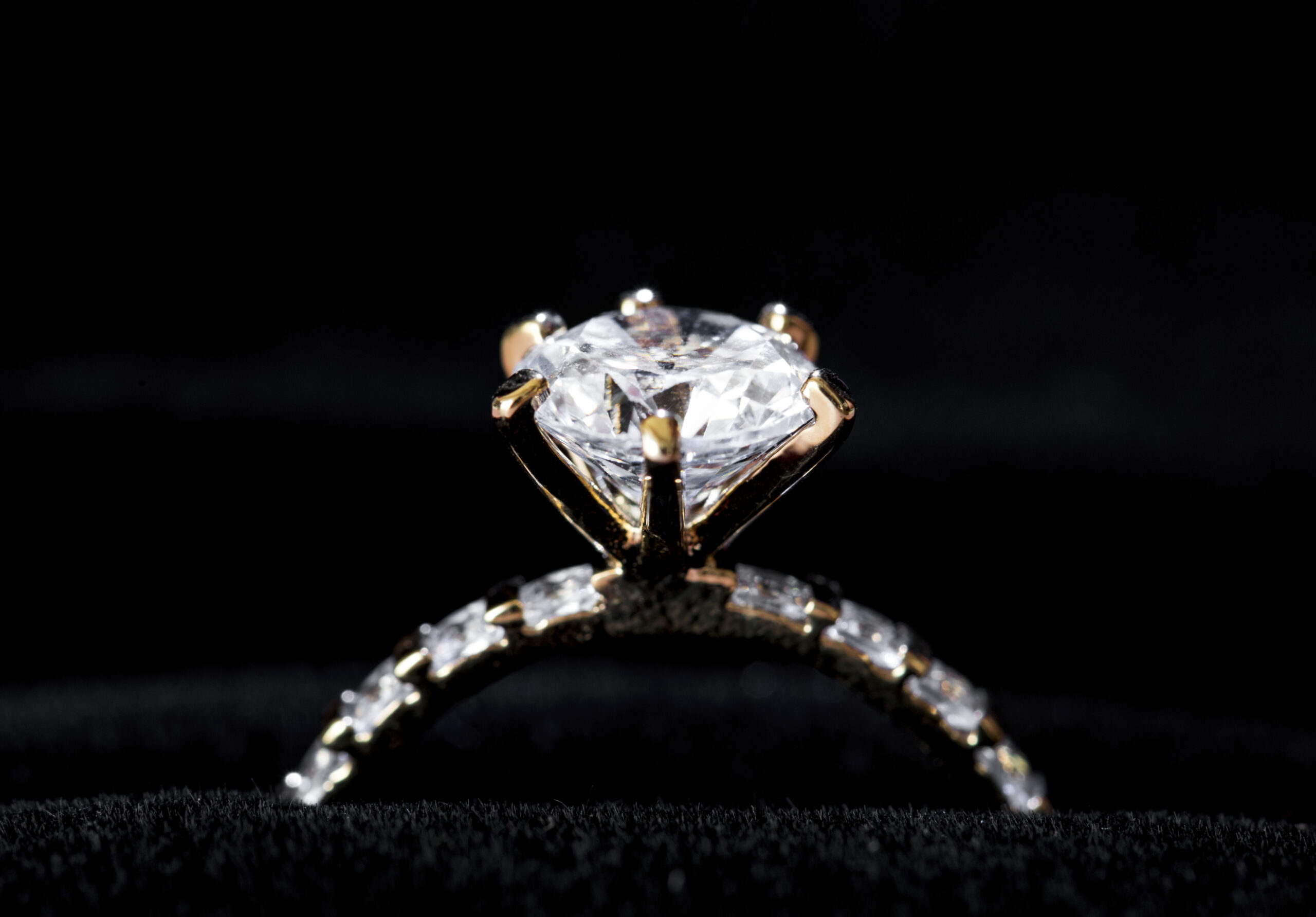
Choosing the right engagement ring is more than just getting the sparkliest, most expensive stone to prove your love. It’s about finding a balance between beauty, meaning, and what feels right for your love story and life together. A diamond is a classic symbol of a love that lasts forever, but there’s another factor worth thinking about before making a decision: should you choose a lab-grown diamond or a natural one?
Natural VS Lab-Grown: Does it Make a Difference?
Many people assume lab-grown diamonds are “less real” than natural diamonds. In truth, that’s a myth. Lab-grown and natural diamonds are chemically, physically, and visually the same. They shine the same way, have the same hardness, and are equally capable of lasting a lifetime. The differences aren’t about quality, but rather about factors such as origin, rarity, and the value each type holds.
Natural diamonds are shaped by time and scarcity, while lab-grown diamonds offer the same beauty with greater accessibility and price flexibility. Understanding these distinctions is crucial when selecting an engagement ring intended for everyday wear.
In this guide, we’ll break down how lab-grown and natural diamonds compare, helping you choose the option that fits your values, lifestyle, and budget.
1. Durability: Wear Your Ring With Confidence
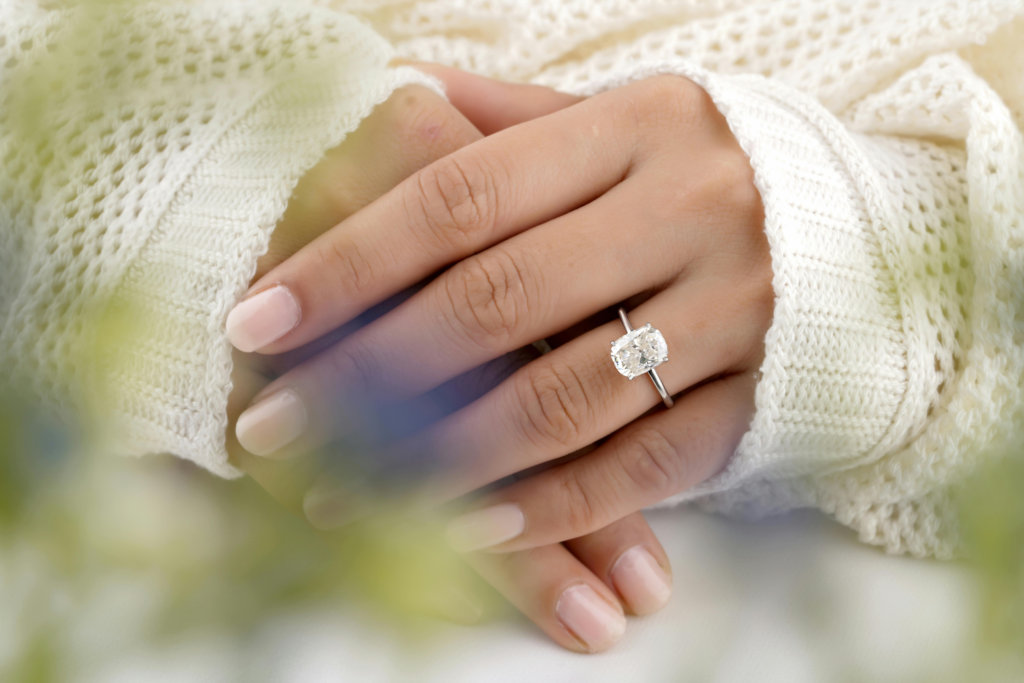
Whether lab-grown or natural, diamonds are rated a 10 on the Mohs scale of hardness—the highest possible score. That means they resist scratches and can endure everyday wear, which is essential for an engagement ring.
Natural Diamonds
- Equally durable as lab-grown.
- Their internal crystal structure was formed deep underground over billions of years.
Lab-Grown Diamonds
- Also Mohs 10, because they share the same chemical and physical properties as natural diamonds.
- Grown using high-pressure high-temperature (HPHT) or chemical vapor deposition (CVD) processes that replicate nature’s conditions.
Verdict: Both types are durable and suitable for everyday wear. Scratch resistance and toughness are virtually identical.
2. Brilliance: Sparkle That Turns Heads
Brilliance—the bright, white light reflected from a diamond—is influenced by cut quality more than origin. A well-cut diamond of either type will sparkle beautifully.
Natural Diamonds
- Traditional diamond cutting standards were developed around natural stones.
- Many natural diamonds are cut to maximize fire (colorful sparkle) and brilliance.
Lab-Grown Diamonds
- Benefit from optimized cutting because cutters can work with a predictable crystal structure.
- Can achieve equal or even better light performance in some cases.
Verdict: There’s no inherent brilliance advantage for either type. What matters most is the cut quality, not whether the diamond is lab-grown or natural.
3. Color: From Classic White to Rare Pink
Color influences a diamond’s personality and value.
Natural Diamonds
- Range from colorless (D–F) to faint yellow (G–Z) in white diamonds.
- Argyle Pink Diamonds are in a category of their own. Mined in Western Australia until the mine’s recent closure, Argyle stones were celebrated for their intense pink hues and extraordinary rarity. They’re among the most collectible and expensive natural diamonds in the world.
Lab-Grown Diamonds
- Can be produced in colorless grades or intentionally infused with trace elements to create fancy colors.
- Fancy colored lab diamonds (e.g., pink, yellow) can be significantly more affordable than natural colored diamonds, though they usually lack the historical provenance and market rarity of stones like Argyle Pinks.
Verdict: For classic colorless brilliance, lab-grown and natural can be comparable. If you value colored diamonds, natural stones hold a strong edge in uniqueness and prestige.
4. Origin: Story Behind the Stone

Origin shapes both meaning and value.
Natural Diamonds
- Formed deep within the Earth over billions of years.
- Each stone carries geological history, which many couples find meaningful.
- Natural colored diamonds, especially pinks from Argyle, have stories tied to rarity, unique geology, and legacy.
Lab-Grown Diamonds
- Created in controlled laboratory settings over weeks or months.
- Ethically appealing to many because they avoid concerns about mining conditions and environmental disruption.
Verdict: If emotional significance tied to ancient origin matters to you, natural diamonds resonate more. If ethical sourcing and sustainability are priorities, lab-grown may feel more aligned with your values.
5. Rarity: What Makes Diamonds Truly Rare?
Natural Diamonds
- Rarity depends on size, color, and clarity.
- Stones like Argyle Pink Diamonds are exceptionally rare due to limited supply and unique color formation. This rarity drives high demand and investment value.
Lab-Grown Diamonds
- By definition, not rare. Production can scale with demand.
- While fancy colored lab stones may be less common, they’re still far easier to produce than rare natural gems.
Verdict: Natural diamonds, especially colored ones, are rarer and often more sought after for their scarcity and long-term value.
6. Grading & Certification: Know What You’re Buying
Certification provides assurance of quality.
Natural Diamonds
- Graded by labs like the Gemological Institute of America (GIA) or American Gem Society (AGS).
- Reports detail the 4Cs: cut, color, clarity, and carat weight.
Lab-Grown Diamonds
- Also graded by GIA, IGI, and other respected labs—but their reports clearly state the diamond’s origin as lab-grown.
- Some labs specialize in grading lab stones.
Verdict: Both can come with trustworthy certifications. Always request a full grading report and verify that origin (natural or lab-grown) is clearly disclosed.
7. Price: What You Pay and Why

Price differences are often the most visible factor for couples.
Natural Diamonds
- Generally, more expensive per carat than lab-grown counterparts.
- The rarer the stone, the higher the price, sometimes exponentially so.
Lab-Grown Diamonds
- Usually 30–50% less expensive than similar natural diamonds.
- Lower cost allows buyers to choose a larger carat, better cut, or higher color/clarity grade for the same budget.
Verdict: Lab-grown diamonds offer excellent value on price if you want size and quality at a lower cost.
So, Which Is Right for You?
Choose a Lab-Grown Diamond if:
- Your priority is size and quality for your budget.
- Ethical and environmental concerns are top of mind.
- You love the idea of modern technology creating something beautiful.
Choose a Natural Diamond if:
- You want a timeless stone formed over eons.
- Rarity, tradition, and potential long-term value matter to you.
- You’re drawn to rare colored stones like Argyle Pink Diamonds and their unique natural hues.
Natural or Lab-Grown, Diamonds Are Forever
There’s no universally “better” choice—just what’s better for you. Lab-grown diamonds deliver sparkle, durability, and affordability. Natural diamonds offer history, rarity, and deep emotional resonance.
Whichever route you choose, focus first on what you want from your engagement ring: story, value, beauty, or ethics. Clear priorities make the final choice feel right, not just beautiful.
Author Bio: Carmina Natividad is a resident writer for Musson, a prestigious Australian fine jewellery house celebrated for its exquisite handcrafted creations and rare gemstones, including the world-renowned Argyle pink diamonds. She enjoys sharing practical insights on everything from wedding and styling tips to rare gems and jewellery trends.