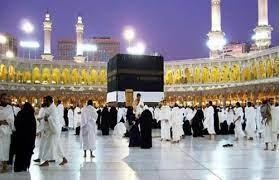
Ramadan is one of the holiest months in Islam, and for Muslims, performing Umrah during this time holds special significance. The spiritual reward for performing Umrah in Ramadan is immense, and many pilgrims travel to Mecca to undertake this sacred journey. However, one key factor to consider when planning an Umrah trip during Ramadan is the crowd levels, which vary significantly from week to week as Ramadan progresses.
Understanding the expected crowd levels during each week of Ramadan can help pilgrims better prepare for the journey, ensuring a more fulfilling and less stressful experience. This article provides an in-depth look at what to expect in terms of crowd levels during Ramadan Umrah and offers practical tips on how to prepare for the busy pilgrimage season.
1. Week 1 of Ramadan: The Early Days – Moderate Crowds
Crowd Overview:
- The first week of Ramadan usually sees moderate crowd levels in Mecca and Medina. Pilgrims are still arriving, and the atmosphere is spiritually intense but not yet at its peak.
- Many pilgrims arrive early to avoid the heavier crowds of the later weeks, taking advantage of quieter times to perform their rituals with more ease and focus.
What to Expect:
- Calmer Environment: The mosques and surrounding areas will be more manageable, allowing for easier access to Masjid al-Haram and the Kaaba.
- Fewer Lines: While there will still be crowds, the lines for the Tawaf (circumambulation) around the Kaaba and the prayer areas will be shorter.
- Optimal Accommodation Availability: With fewer pilgrims in the first week, there are still plenty of accommodation options available, especially for those who book in advance.
How to Prepare:
- Early Arrival: If you prefer a quieter Umrah experience, travelling in the first week of Ramadan allows you to perform rituals without the overwhelming rush of the later weeks.
- Book Accommodation Early: Even though the crowds are moderate, it’s advisable to book your accommodation early to secure a spot in proximity to the mosque.
2. Week 2 of Ramadan: The Growing Rush – Moderate to High Crowds
Crowd Overview:
- As the second week of Ramadan progresses, the crowd levels begin to increase. More pilgrims arrive as the middle of Ramadan approaches, and many people use their holiday time to embark on Umrah.
- Pilgrims who could not come during the first week due to work or other obligations now begin their journey, creating an uptick in foot traffic.
What to Expect:
- More Crowds: Expect a noticeable increase in the number of worshippers at the holy sites. The prayer areas will begin to fill up, and lines for Tawaf or visits to the sacred sites will grow longer.
- Longer Wait Times: The lines for the well-known prayer areas, such as the King Abdulaziz Gate of Masjid al-Haram, will become longer.
- Accommodation and Services: Accommodation options will still be available, but booking early will be crucial as the demand starts to rise.
How to Prepare:
- Patience is Key: Expect longer wait times and busier areas. Be prepared to be patient and flexible with your schedule.
- Plan for Prayer Times: The mosques will be crowded during prayer times, so consider arriving early to secure a good spot for worship.
- Utilize Lesser-Known Entrances: Try using less crowded entrances to avoid bottlenecks and navigate the mosques more easily.
3. Week 3 of Ramadan: Peak Crowds – Very High Demand
Crowd Overview:
- The third week of Ramadan is often the most crowded period for Umrah during Ramadan. Many pilgrims aim to perform Umrah during the final ten days of Ramadan, especially those who want to experience the heightened spiritual atmosphere of Laylat al-Qadr.
- This week sees a large influx of people, as families and individuals travel from all corners of the world to perform Umrah in the most sacred time.
What to Expect:
- Heavy Crowds: Masjid al-Haram and Masjid an-Nabawi will be packed with worshippers, especially during the Taraweeh prayers and the final ten nights.
- Longer Wait Times: Expect long queues for all activities, including Tawaf, prayers, and access to sacred sites. The waiting times can sometimes be over an hour, especially for Tawaf around the Kaaba.
- Accommodation Shortages: Hotels and guesthouses close to the mosques will be fully booked, and prices will surge as demand increases.
How to Prepare:
- Prepare for the Rush: The crowds will be overwhelming. Patience and flexibility are essential for managing the crowds and ensuring that you can still perform your worship rituals.
- Book Accommodation Early: If you are traveling in the third week of Ramadan, secure your accommodation well in advance, ideally months before the pilgrimage, to avoid last-minute hassles.
- Adjust Expectations: During this time, the pilgrim experience may not be as smooth as during quieter weeks. Be mentally prepared for challenges and embrace the opportunity to increase your worship despite the crowds.
- Use Quiet Times for Worship: Even during peak hours, try to find less crowded times for Tawaf and prayers, such as early in the morning or after midnight.
4. Week 4 of Ramadan: The Final Rush – Extremely High Crowds
Crowd Overview:
- The final week of Ramadan, particularly the last ten days, is when crowd levels peak. Many pilgrims arrive specifically for the last ten nights to experience the spiritual atmosphere of Laylat al-Qadr.
- This is the most intense week for Umrah during Ramadan, with an overwhelming number of worshippers filling Masjid al-Haram and Masjid an-Nabawi.
What to Expect:
- Unprecedented Crowds: The holy cities will be teeming with worshippers, especially during the final ten days. The mosques will be filled to capacity for Taraweeh, Tahajjud, and other prayers.
- Packed Prayer Areas: Expect little to no available space during peak prayer times. Pilgrims may need to pray outside the designated prayer areas.
- Accommodation Challenges: The demand for hotels and guesthouses will be extremely high. Booking early is essential, and you may also consider staying in nearby towns or districts if accommodation within walking distance is unavailable.
How to Prepare:
- Arrive Early for Prayers: Due to the high volume of people, you may need to arrive much earlier than usual to secure a spot for prayer.
- Be Mentally and Physically Prepared: The crowds, heat, and long hours of worship can be exhausting. Ensure you are physically prepared and have plenty of water and snacks to sustain you during the day.
- Alternative Accommodation: Look for hotels or accommodations located a little further from the mosque but still within accessible distance, as they may be more affordable and less crowded.
- Seek Spiritual Rewards Beyond Crowds: While the crowds may be challenging, this is also the time of Laylat al-Qadr, and the spiritual rewards are greater than at any other time of the year. Focus on the spiritual aspect of your journey and trust that the rewards will outweigh any inconvenience caused by the crowds.
5. General Tips for Handling Ramadan Umrah Crowds
- Be Flexible with Your Schedule: Adjust your expectations and be flexible with your timing to avoid peak hours and long queues.
- Stay Hydrated and Rested: Keep hydrated, especially during long prayer sessions, and take rest periods when needed to maintain energy levels.
- Use Technology: Use apps and resources to monitor crowd levels, prayer times, and available services to make your journey smoother.
- Embrace Patience: With large crowds, patience is essential. Focus on the spiritual rewards and make the most of the opportunity to worship during this blessed month.
Conclusion
Ramadan Umrah offers a unique spiritual experience, but it comes with its challenges, particularly when it comes to handling the crowds. By understanding what to expect in terms of crowd levels during each week of Ramadan and preparing accordingly, pilgrims can enhance their experience and focus on the worship that matters most. Whether you travel in the early days of Ramadan for a quieter experience or join the peak crowds in the final days, the key is preparation, flexibility, and patience. Embrace the journey and the chance to seek blessings during this blessed time of year.