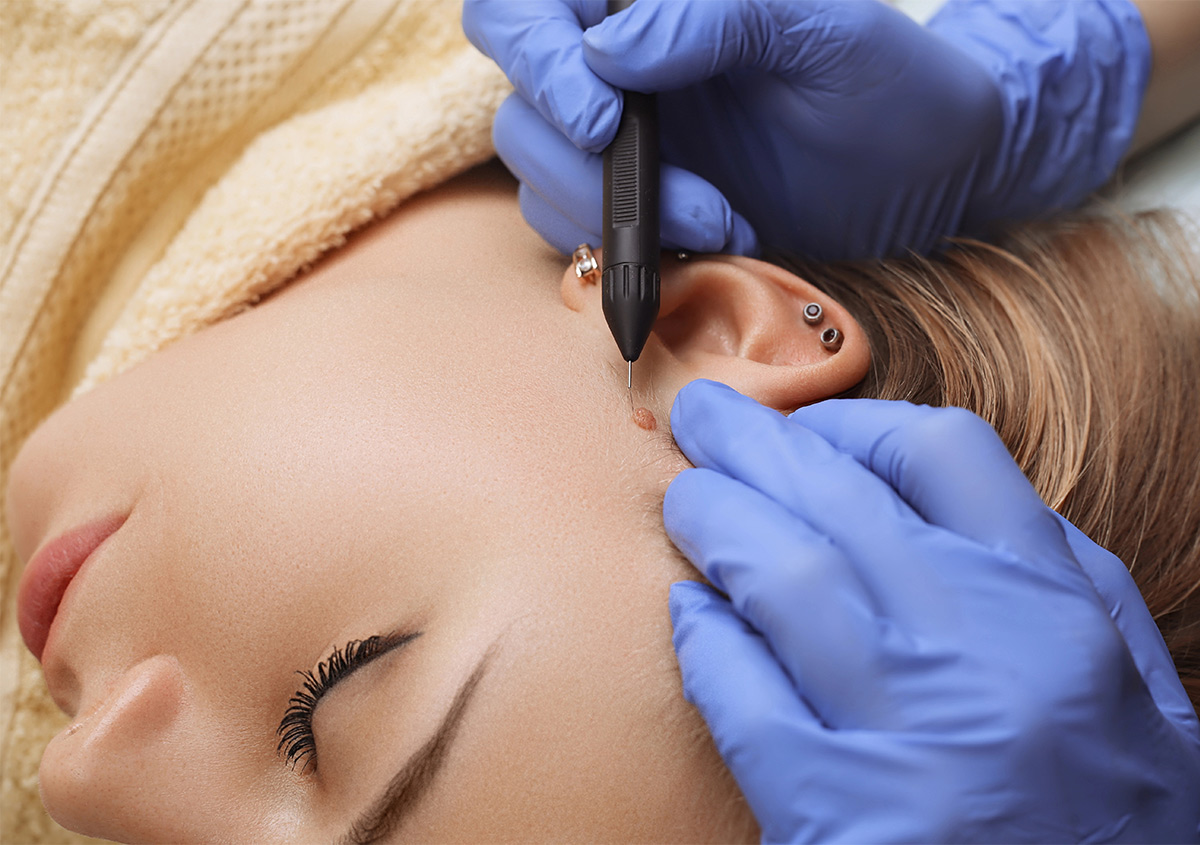
Understanding the nature of skin growths is the first step toward maintaining dermatological health. Warts, while common, often present a source of discomfort or self-consciousness for many individuals. When these benign growths appear, seeking a Warts Removal Treatment in Abu Dhabi becomes a priority for those looking to restore the smooth texture and appearance of their skin through modern, non-invasive methods.
- Skin Health Awareness: Recognizing that warts are viral in nature helps in choosing the right path for care.
- Professional Intervention: Modern treatments offer a shift from traditional remedies to precise, technology-driven solutions.
- Aesthetic Restoration: Removing warts is often as much about confidence as it is about physical comfort.
What are Warts?
Warts are small, grainy skin growths that most often occur on your fingers or hands. They are caused by a virus and are transmitted by touch. While they are generally harmless, they can be unsightly and sometimes painful, especially when they develop on areas subject to pressure, like the soles of the feet.
The Viral Connection
Warts are the physical manifestation of the Human Papillomavirus (HPV). There are over 150 types of HPV, but only a few cause warts on your hands and feet. The virus triggers an excess amount of keratin—a hard protein—to develop in the top skin layer, creating the rough texture characteristic of a wart.
Physical Characteristics
Typically, a wart looks like a small, fleshy bump. It might be sprinkled with black pinpoints, which are actually small, clotted blood vessels. They can be flesh-colored, white, pink, or tanned.
- Viral Origin: All warts stem from various strains of HPV affecting the epidermis.
- Keratin Buildup: The “bump” is actually an overproduction of skin protein triggered by the virus.
- Visual Markers: Identifying the black dots (clotted capillaries) can help distinguish warts from other skin lesions.
Common Types of Warts
Not all warts are created equal. Depending on the strain of the virus and the location on the body, they can take on several different forms. Understanding which type you have is essential for determining the most effective removal strategy.
Common Warts (Verruca Vulgaris)
These usually grow on the fingers and toes but can appear elsewhere. They have a rough, grainy appearance and a rounded top. They are often grayer than the surrounding skin.
Plantar Warts
Plantar warts grow on the soles of the feet. Unlike other warts, plantar warts grow into your skin, not out of it. You can tell you have a plantar wart if you notice what looks like a small hole in the bottom of your foot surrounded by hardened skin.
Flat Warts
Flat warts usually grow on the face, thighs, or arms. They are small and not immediately noticeable. They have a flat top, as if they’ve been scraped, and can be pink, brownish, or slightly yellow.
Filiform Warts
These grow around your mouth or nose and sometimes on your neck or under your chin. They are small and shaped like a tiny flap or tag of skin. They are the same color as your skin.
- Verruca Vulgaris: The most frequent type, characterized by a cauliflower-like surface.
- Inward Growth: Plantar warts are unique because the pressure of walking forces them to grow inward.
- Subtle Appearance: Flat warts often appear in large numbers (20 to 100 at a time) despite being small.
What Causes the Need for Removal?
While some warts may eventually disappear on their own, many people opt for professional removal for several biological and social reasons. The “need” is often defined by the persistent nature of the virus.
Persistence and Spread
The primary reason for removal is the contagious nature of the virus. Warts can spread from one part of your body to another (autoinoculation) or from person to person through direct contact or shared items like towels.
Physical Discomfort
Warts located on joints or areas of friction can cause significant irritation. Plantar warts, specifically, can make walking feel like there is a permanent stone in your shoe, leading to changes in posture or gait.
Aesthetic Concerns
For many, the location of a wart on the face or hands creates social anxiety. Professional removal provides a way to regain clear skin and eliminate the “stigma” often associated with visible skin growths.
- Containment: Removing a primary wart prevents the virus from shedding and creating “satellite” warts.
- Functionality: Removal is necessary when the growth interferes with daily movements or activities.
- Psychological Well-being: Clear skin contributes to better self-esteem and social comfort.
How Professional Removal Works
The transition from “having a wart” to “clear skin” involves disrupting the life cycle of the virus and removing the infected tissue. Modern dermatology utilizes several sophisticated methods to achieve this without damaging the surrounding healthy skin.
Thermal and Cold Technologies
One of the most common approaches involves using extreme temperatures. Cryotherapy uses liquid nitrogen to freeze the wart, causing a blister to form under and around it. Conversely, certain treatments use heat to cauterize the blood supply to the wart.
Light-Based Precision
Laser technology has revolutionized removal. By using a concentrated beam of light, specialists can target the tiny blood vessels that feed the wart. Once the blood supply is cut off, the wart eventually dies and falls off.
Chemical Exfoliation
Professional-grade chemical applications work by peeling away the layers of the wart gradually. This is often more controlled and potent than over-the-counter options, ensuring the root of the growth is addressed.
- Cryogenic Freezing: Freezing causes the skin to reject the viral tissue.
- Vascular Targeting: Lasers “starve” the wart by sealing the capillaries feeding it.
- Controlled Peeling: High-concentration acids break down the keratin structure of the wart safely.
Why “Wait and See” Isn’t Always the Best Policy
Many individuals assume that because warts are benign, they can be ignored. However, the virus is resilient. The longer a wart stays on the skin, the deeper it can establish itself, and the more likely it is to spread to others in your household.
The Risk of Proliferation
A single wart can quickly turn into a cluster, known as mosaic warts. These are much harder to treat because they cover a larger surface area and have a more complex root system.
Compromised Skin Integrity
Warts can cause the surrounding skin to crack or become calloused. This creates an entry point for other bacteria, potentially leading to secondary skin issues that are more complex than the original viral infection.
- Cluster Formation: Ignoring one wart can lead to “mosaic” patterns that are more resistant to treatment.
- Secondary Barriers: Calloused skin over a wart makes it harder for topical treatments to reach the virus.
- Community Health: Prompt removal reduces the viral load in your immediate environment.
The Recovery and Aftercare Process
Post-treatment care is vital to ensure the skin heals smoothly and the virus does not return. While the removal process is quick, the skin’s regeneration takes time.
Protection of the Site
After a removal session, the area must be kept clean and protected. This usually involves simple dressings to prevent friction and ensure that the new skin forming underneath is not disturbed.
Observing Skin Regeneration
As the treated area heals, the old tissue sloughs off, revealing healthy skin. It is important not to pick at the area, as this can lead to scarring or re-infection if the virus was not entirely neutralized in one go.
- Environmental Shielding: Keeping the area covered prevents irritation from clothing or debris.
- Natural Desquamation: Allowing the dead tissue to fall off naturally ensures the best aesthetic result.
- Monitoring: Observing the healing process helps verify that the skin texture is returning to normal.
Preventing Future Warts
Once you have successfully undergone removal, prevention becomes the theme. Since the virus thrives in warm, moist environments, small lifestyle changes can make a big difference.
Hygiene Practices
Avoid sharing personal items like razors, towels, or nail clippers. If you frequent gyms or public pools, wearing footwear in locker rooms and showers is the single best defense against plantar warts.
Boosting Skin Immunity
Keeping your skin hydrated and intact is a natural defense. The virus enters through tiny cuts or abrasions; therefore, well-moisturized skin is less likely to have the “entry points” the virus needs.
- Barrier Protection: Flip-flops in public showers act as a physical shield against the virus.
- Tool Sanctity: Never use the same file or clipper on a wart that you use on healthy nails.
- Moisturization: Healthy, supple skin is a better biological barrier than dry, cracked skin.
Frequently Asked Questions
Can warts grow back after professional removal?
While the removal process targets the existing growth and the immediate viral colony, the HPV virus can sometimes remain dormant in the surrounding skin. However, professional methods significantly reduce the recurrence rate compared to home remedies by ensuring the entire structure of the wart is addressed.
Is the removal process suitable for all skin types?
Yes. Modern dermatological tools, especially lasers and cryotherapy, are highly adaptable. Specialists can adjust the intensity and duration of the treatment to suit various skin sensitivities and tones, ensuring the skin’s integrity is maintained.
How many sessions are typically required?
The number of sessions depends on the size, type, and depth of the wart. While small, superficial warts might disappear after a single session, deeper plantar warts or large clusters may require multiple visits to ensure the virus is completely eradicated from the deeper layers of the epidermis.
Why shouldn’t I try to cut off a wart at home?
Attempting to “surgically” remove a wart at home is highly discouraged. Because warts are vascular (they have their own blood supply), cutting them can cause significant bleeding. Furthermore, if the virus is not completely destroyed, the act of cutting can actually aerosolize or spread the viral particles to the surrounding skin, causing more warts to grow.