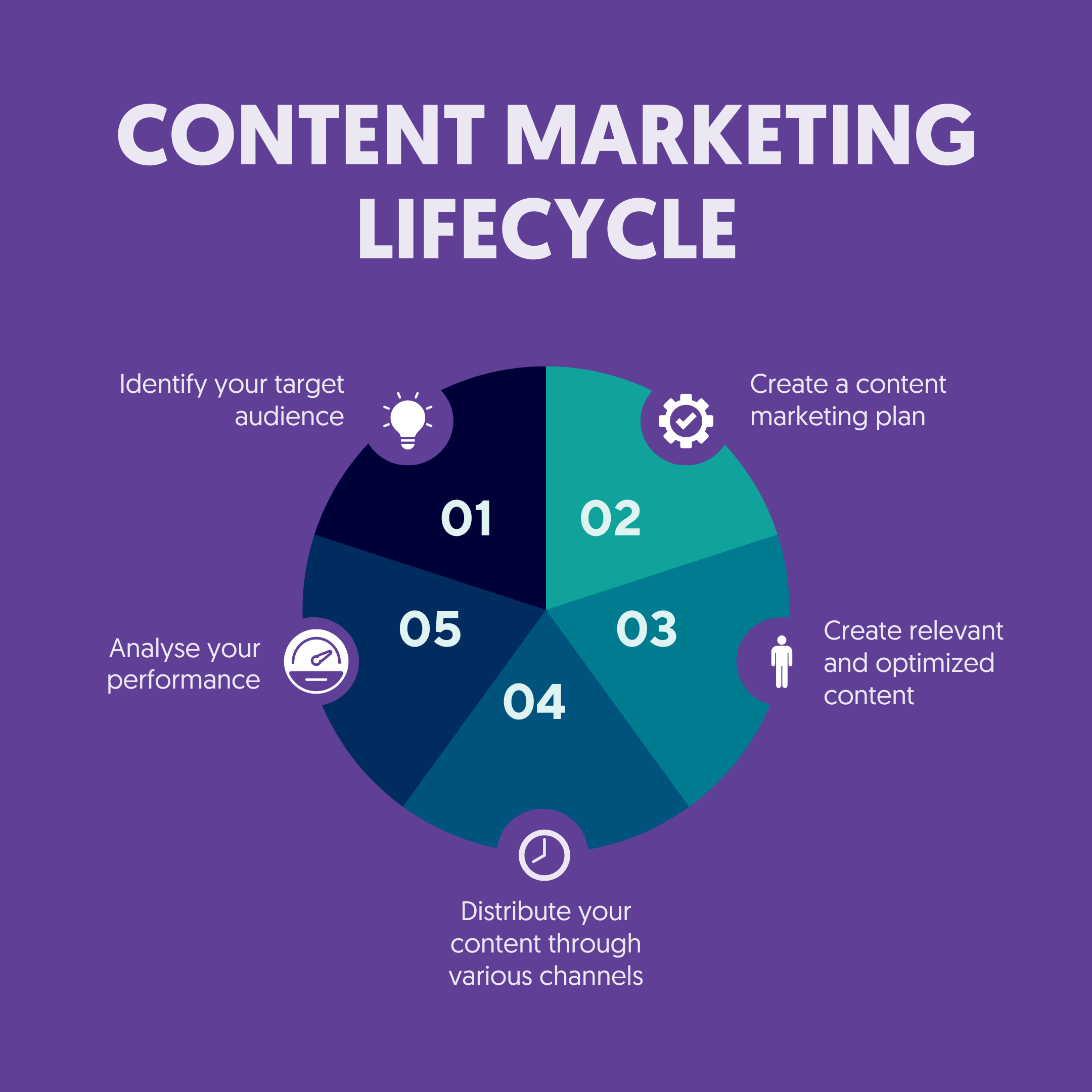
A great piece of content isn’t created by accident. Behind every article, video, podcast, or social post that genuinely resonates, there’s a strategy guiding it. Content Strategies help brands move beyond random posting and toward intentional storytelling that attracts the right audience, builds trust, and supports business goals. When strategy leads and creation follows, content stops being noise and starts becoming an asset.
Know Exactly Who You’re Creating For
Every strategy begins with clarity about the audience. Instead of focusing only on age, job titles, or locations, effective content strategies explore motivations and challenges. What keeps your audience up at night? What outcomes are they chasing? What words do they use when they search for answers? When content aligns with real questions and lived experiences, it feels personal, not generic. That connection is the foundation of loyalty and engagement.
Define Outcomes Before You Create
Content is most powerful when it has a job to do. Some content educates and builds awareness. Some nurtures trust over time. Other pieces are designed to encourage sign-ups, demos, or purchases. By defining outcomes before creating, you shape tone, structure, and format with intention. Instead of chasing vanity metrics like impressions alone, you can evaluate content based on whether it moved people closer to meaningful actions.
Shape a Distinct and Consistent Voice
A clear voice makes your brand recognizable even without a logo. Whether your tone is authoritative, conversational, warm, or bold, consistency matters. A documented style guide helps teams keep messaging aligned across channels and creators. Over time, consistency signals professionalism and reliability. People return to voices they recognize, especially when those voices consistently help them solve problems or think differently.
Plan Ahead With a Thoughtful Calendar
A content calendar turns scattered ideas into an organized plan. It helps you map themes, align with campaigns, and pace publishing so audiences know when to expect new material. A planned calendar creates balance: educational pieces, opinion-led insights, practical how-tos, and occasional promotional messages all have their place. The result is rhythm instead of rush, and strategy instead of scrambling.
Focus on Depth and Value First
Volume alone does not deliver results. Depth, clarity, and usefulness do. Quality content answers questions thoroughly, provides context, and respects the reader’s time. It avoids empty hype and offers genuine takeaways. Search engines increasingly reward this kind of depth, but more importantly, audiences do. When your content consistently helps, people remember who provided the value.
Make Discovery Part of the Plan
Great content deserves to be found. Thoughtful search optimization, clear structure, descriptive titles, and relevant internal links make content easier to discover. Beyond search, distribution matters: newsletters, social channels, partnerships, and repurposing extend the life of each idea. Strategy views publishing as the midpoint — not the finish line.
Measure, Learn, and Refine
A content strategy evolves through data and curiosity. Tracking engagement, conversion behaviors, and audience retention reveals what works and what needs improvement. Instead of guessing, you iterate with intent. Over time, each improvement compounds, turning content into a repeatable growth engine.
AI Overview SEO: Adapting to a New Search Reality
Search engines are changing faster than ever, and artificial intelligence is leading the transformation. With AI-generated overviews increasingly appearing at the top of search results, the path between searcher and website is no longer as direct. For brands, publishers, and creators, this shift requires a different mindset: instead of optimizing only for traditional blue links, it’s now about earning relevance inside AI-driven summaries while still building visibility, trust, and traffic. This is where AI Overview SEO comes in.
What AI Overviews Change About Search
AI overviews synthesize information from multiple sources to provide quick, conversational answers. They often appear above organic listings, reshaping user behavior. People skim summaries, click selectively, and may never reach sites that rely solely on ranking position. The search engine’s goal is to help user’s complete tasks faster, but for marketers, the challenge becomes standing out within a condensed, AI-curated environment. Visibility is no longer only about ranking; it’s about being chosen as a trustworthy source worth surfacing.
How Content Must Evolve
Content designed for AI overviews needs clarity, precision, and authority. Long, rambling articles created just to capture keywords are less likely to be cited or summarized. Instead, content should answer questions directly while still offering depth beyond the overview. The goal is to provide structured, factually accurate explanations that are easy for algorithms to interpret, and compelling enough for readers to click through for more detail. When content genuinely solves problems, AI systems are more likely to recognize and reference it.
The Role of Topical Authority
Topical authority matters more than ever. AI models look for reputable sources that consistently cover subjects with expertise and accuracy. Building authority means publishing high-quality material around core themes, linking related articles together, and demonstrating consistent expertise across time. Rather than chasing every trending keyword, successful strategies concentrate on becoming the most trusted voice within a defined niche. Authority signals help algorithms determine credibility and reduce the risk of being overshadowed by competitors.
Structured Content and Technical Signals
Clear structure supports both human readers and AI systems. Descriptive headings, concise definitions, FAQ sections, and well-organized paragraphs help search engines extract meaning efficiently. Technical signals such as schema markup, accurate metadata, internal linking, and fast page performance reinforce trust and discoverability. AI-driven search rewards content that is easy to parse, verifiable, and aligned with user intent. Well-structured pages are more likely to be understood, quoted, and surfaced in overviews.
Why Experience and Original Insight Matter
AI models synthesize what already exists. What differentiates a brand is original thinking, case studies, real-world examples, and expert commentary. Experience-based insights offer something AI cannot invent authentically. Content that demonstrates lived knowledge not only attracts readers but also strengthens credibility signals. Over time, originality becomes a competitive moat, ensuring that even if the overview answers the basic question, users still click to learn more.
Measuring Success Differently
With AI overviews in play, success is not only about rankings or raw traffic. Engagement quality, brand visibility, returning visitors, and conversions matter more. Some clicks may decline, but the users who arrive are often more intentional. Evaluating performance now means examining how content contributes to trust, reputation, and measurable outcomes rather than chasing superficial metrics.
AI Overview SEO isn’t about gaming algorithms. It’s about creating content that deserves to be surfaced: accurate, structured, experience-driven, and genuinely useful. Brands that embrace this reality will adapt as search evolves, building resilience and visibility in an AI-shaped search landscape.