The modern workplace has evolved dramatically over the past few years, and so have employee expectations. Gone are the days when a kitchen with instant coffee and a dodgy microwave sufficed as workplace amenities. Today’s professionals demand more from their employers, and smart business leaders are responding by creating environments that genuinely support productivity, wellbeing, and satisfaction.
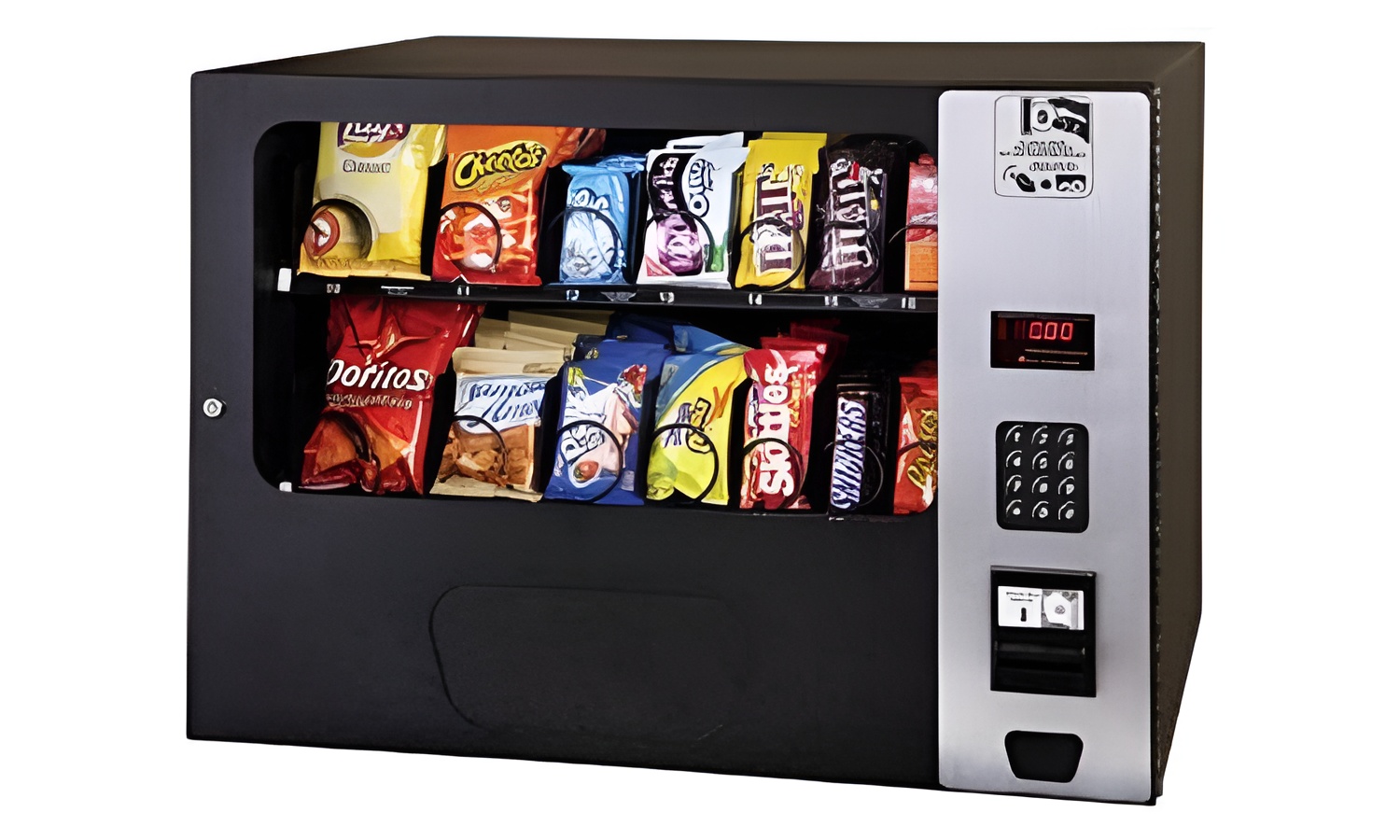
Here’s something most executives overlook: the seemingly simple decision to install a snack vending machine in your office can dramatically impact your bottom line. Research from the Australian Human Resources Institute reveals that 67% of employees cite workplace amenities as a significant factor in job satisfaction, and convenient access to food ranks in the top five most valued perks. When staff members spend an average of 15 minutes leaving the building to grab a snack, that’s roughly 1.25 hours of lost productivity per employee each week. Multiply that across your entire workforce, and you’re looking at thousands of dollars evaporating monthly.
But productivity metrics only tell part of the story. The real transformation happens when you understand how strategic food access influences workplace culture, recruitment, retention, and even your company’s reputation as an employer of choice. Let’s dive into why 2026 is the perfect time to reconsider this underestimated workplace asset.
The Hidden Cost of Hunger in the Workplace
Neuroscience has given us clear evidence about what happens when blood sugar drops. Cognitive function declines, decision-making suffers, and irritability increases. A landmark study from the University of Melbourne found that employees experiencing mid-afternoon energy crashes made 23% more errors and took 17% longer to complete tasks compared to their well-fed colleagues.
Traditional office setups force employees into an impossible choice: push through the hunger and suffer declining performance, or leave the premises to purchase food, losing valuable time and breaking their concentration. Neither option serves the employer’s interests.
The Australian Workplace Wellness Council estimates that cognitive decline from inadequate nutrition costs Australian businesses $1.2 billion annually in reduced productivity. That’s not accounting for the increased stress levels, team friction, and potential safety issues that arise when people aren’t functioning at their best.
Why 2026 Marks a Turning Point
Several converging trends make this year particularly significant for workplace food solutions. The hybrid work model has stabilised, and companies competing for top talent need tangible reasons to bring people into the office. Employees who work from home have unrestricted access to their own kitchens; offices must offer comparable convenience to remain competitive.
Technology integration has transformed what vending solutions can offer. Modern machines accept contactless payments, track purchasing patterns, and can even integrate with employee wellness programmes. Some advanced systems use AI to predict stock needs, ensuring popular items never run out during crucial afternoon hours.
Sustainability concerns have also reached a tipping point. Australian consumers increasingly demand environmentally responsible options, and forward-thinking vendors now offer machines stocked with locally sourced, minimally packaged, and ethically produced snacks. This aligns perfectly with corporate ESG commitments whilst genuinely resonating with staff values.
The Business Case: Numbers That Matter
Let’s talk hard data. A comprehensive analysis by Deloitte examined 200 medium to large businesses across Sydney and Melbourne that installed on-site food solutions. The results were striking.
Companies reported an average 12% reduction in unscheduled absences. Employees with convenient access to proper nutrition took fewer sick days, particularly during cold and flu season when immune systems need proper fuel.
Recruitment metrics improved significantly. Businesses offering comprehensive workplace amenities, including quality food access, reduced their time-to-hire by 22 days on average. They also attracted candidates who typically commanded 15-20% higher salaries, suggesting they were competing successfully for top-tier talent.
Retention told an even more compelling story. Employee turnover decreased by 19% in companies that invested in workplace nutrition solutions. Exit interview data revealed that whilst food access alone rarely drives someone to leave, it forms part of the overall assessment of whether an employer genuinely values their people.
The financial impact? Based on replacement costs averaging 1.5 times an employee’s annual salary, a 100-person company with typical turnover rates could save approximately $180,000 annually through improved retention alone. The machine pays for itself within weeks.
Beyond Snacks: Building Culture and Connection
Something unexpected happens around food sources in offices. They become natural gathering points where colleagues from different departments actually talk to each other. These spontaneous interactions spark collaboration, break down silos, and create the cross-functional relationships that drive innovation.
Melbourne-based tech company Atlassian documented this phenomenon in their workplace design research. They found that strategic placement of food and beverage stations increased inter-departmental communication by 37% and led to a measurable uptick in cross-functional project proposals.
There’s also the psychological impact of feeling cared for. When employers provide thoughtful amenities, employees interpret this as evidence that leadership values their wellbeing. This perception significantly influences engagement levels, with Gallup research consistently showing that engaged employees deliver 21% higher profitability.
The symbolic value shouldn’t be underestimated either. In an era where talent has options, the small gestures accumulate into an overall impression of company culture. Prospective employees touring your facility notice these details, and current staff mention them when recommending your company to talented friends.
Addressing Common Concerns
Some executives hesitate, worried about costs, maintenance, or health implications. Let’s address these directly.
Cost Concerns: Modern vending solutions operate on various models. Many providers offer no-upfront-cost installations, earning their revenue through product sales. Others charge nominal monthly fees but allow companies to subsidise snack costs as a tax-deductible employee benefit. Either way, the investment typically ranges from $100-300 monthly, whilst the productivity gains and retention improvements deliver 5-10x returns.
Health Considerations: Today’s machines aren’t the sugar-laden disaster zones of previous decades. Progressive vendors stock nutritious options: protein bars, dried fruits, nuts, vegetable crisps, and other health-conscious choices. Many services work with nutritionists to curate selections that support sustained energy rather than spike-and-crash cycles. You can even specify that a percentage of offerings meet specific nutritional criteria.
Maintenance Headaches: Professional vendors handle restocking, machine maintenance, and technical issues. Your facilities team doesn’t touch it. Modern machines also report their own problems, automatically dispatching technicians when issues arise. From your perspective, it’s essentially hands-off.
Space Limitations: Compact machines designed for smaller offices occupy roughly the same footprint as a filing cabinet. Even in space-constrained environments, creative placement in corridors, break rooms, or reception areas works perfectly well.
Implementation Strategy for Maximum Impact
Success requires more than simply installing a machine and hoping for the best. Strategic implementation multiplies the benefits.
Start by surveying your employees. Understanding preferences, dietary restrictions, and price sensitivity ensures your selection genuinely serves your workforce. A machine stocked with items nobody wants fails regardless of its other merits.
Location matters enormously. High-traffic areas near collaborative spaces work better than tucked-away corners. Visibility drives usage, and usage drives value. If people regularly pass the machine during their normal workday, they’ll naturally grab something when needed rather than leaving the building.
Communication enhances adoption. Announce the installation through multiple channels, explain the rationale (you’re investing in their wellbeing and productivity), and actively solicit feedback after a few weeks. Making this feel like a collaborative decision rather than top-down mandate improves reception.
Consider subsidising costs, particularly initially. Pricing items at cost or slightly below sends a powerful message about your commitment to employee welfare. Even a 20-30% subsidy significantly impacts perception whilst remaining financially manageable.
Looking Forward: The Future of Workplace Nutrition
The trajectory is clear. As health consciousness increases and workplace expectations evolve, comprehensive nutrition solutions will transition from nice-to-have perks to baseline expectations. Companies that establish these systems now position themselves advantageously for future talent competitions.
Emerging technologies will expand possibilities further. Imagine machines that remember individual preferences, offer personalised recommendations based on health goals, or connect with corporate wellness initiatives to reward healthy choices. Some companies are already piloting systems that integrate with fitness tracking apps, creating holistic approaches to employee wellbeing.
The shift toward preventative health also supports this trend. Insurance providers increasingly recognise that companies investing in employee nutrition see reduced health claims. Some insurers now offer premium discounts for businesses implementing comprehensive wellness programmes, including strategic food access.
Taking Action
The evidence supports a clear conclusion: providing convenient, quality snack access represents one of the highest-ROI investments available to modern employers. The costs remain minimal whilst the benefits compound across productivity, recruitment, retention, culture, and employee satisfaction.
For organisations serious about supporting their people whilst improving business outcomes, the question isn’t whether to install workplace food solutions, but rather how quickly you can implement them. Your competitors are already making these moves. The talent you want to hire expects these amenities. Your current employees would genuinely appreciate the gesture.
Start small if necessary. Pilot a single machine, track usage and feedback, then expand based on results. The beauty of this approach lies in its measurability. You’ll see the impact in engagement surveys, productivity metrics, and retention rates within months.
Your people spend a third of their waking hours at work. Ensuring they have convenient access to quality nutrition isn’t just good business practice—it’s a fundamental recognition of their humanity and value to your organisation. In 2026, that recognition matters more than ever.