Accessory dwelling units have become one of the most talked-about residential construction projects in recent years, and Bellaire is no exception. Homeowners in the area are adding ADUs to their properties for all kinds of reasons: rental income, housing for aging parents, home office space, or simply getting more value out of a lot that has room for an additional structure.
Building an ADU in Bellaire comes with its own set of rules, opportunities, and considerations that are different from other parts of the Houston metro. Here is what homeowners need to know before starting the process.
What an ADU Looks Like in Bellaire
An ADU is a secondary living space on a single-family lot. In Bellaire, ADUs can take several forms. A detached structure built in the backyard is the most common type. Garage conversions, where an existing garage is turned into a livable space, are another option. Some homeowners also build attached ADUs as additions to the main house.
Most ADUs include a kitchen or kitchenette, a bathroom, a living area, and a sleeping space. They are designed to function as independent units, even if the occupant is a family member who still shares some aspects of daily life with the main household.
The size of an ADU in Bellaire depends on the lot and the local zoning rules. Setback requirements, lot coverage limits, and height restrictions all play a role in determining what can be built and where it can be placed on the property.
Zoning & Permitting in Bellaire
This is where building an ADU in Bellaire differs from doing the same project in Houston or other nearby municipalities. Bellaire has its own zoning code and its own permitting process, which means the rules that apply in one jurisdiction may not apply here.
Before spending money on design or construction, homeowners should check with Bellaire’s building department to get clear answers on a few things. What is the maximum allowable size for an ADU on your specific lot. What are the setback requirements from property lines. Are there height limits that affect the design. Does the ADU need its own utility connections or can it share with the main house. Are there parking requirements tied to the ADU.
Getting this information upfront prevents costly redesigns later. A builder with experience in Bellaire’s permit process can help homeowners work through these requirements before the design is finalized.
Blum Custom Builders, which has handled numerous residential projects in Bellaire, is familiar with the city’s building codes and permitting procedures. That kind of local knowledge makes the planning phase smoother and reduces the chances of a permit delay.
Design Considerations
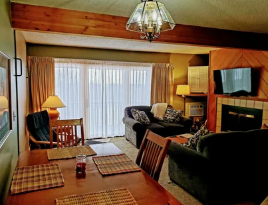
Designing an ADU is different from designing a room addition. Because the space is smaller, every square foot has to work harder. A few design strategies that show up in well-planned ADUs include open floor plans that combine the kitchen, dining, and living areas into one room, built-in storage to maximize vertical space, and large windows or glass doors that bring in natural light and make the space feel larger than it is.
Ceiling height matters too. Standard eight-foot ceilings can make a small space feel cramped. Going to nine or ten feet, where the zoning allows, opens up the interior significantly.
For homeowners building a detached ADU, the exterior design should be consistent with the main house. Matching the siding, roofing material, and general architectural style creates a cohesive look on the property and avoids the appearance of a mismatched add-on.
Energy Efficiency
ADUs are a good candidate for energy-efficient construction because their smaller size makes high-performance systems more affordable. Mini-split HVAC units provide heating and cooling without ductwork and allow the occupant to control the temperature independently from the main house. Spray foam insulation, LED lighting, and Energy Star-rated appliances are all standard inclusions in well-built ADUs.
Some homeowners are adding a small solar panel array to the ADU roof to offset its energy use. In Bellaire, where rooftop solar is becoming more common on primary residences, extending it to the ADU is a logical step.
Construction Options
There are a few ways to build an ADU, and the right approach depends on the budget, the timeline, and the level of customization the homeowner wants.
Site-built construction is the traditional method. The ADU is framed and finished on-site, just like a standard home. This gives the most flexibility in terms of design and allows the structure to be tailored to the specific lot conditions. It also tends to take the longest, with most site-built ADUs requiring three to six months from permit to completion.
Prefabricated ADUs are built in a factory and delivered to the site in sections or as a complete unit. They are placed on a prepared foundation and connected to utilities. Prefab units can reduce the construction timeline significantly, though the design options may be more limited compared to site-built construction.
Garage conversions are the most budget-friendly option. The existing structure provides the shell, and the work focuses on adding insulation, plumbing, electrical, and interior finishes. This approach works well when the homeowner no longer needs the garage for vehicle storage and wants to repurpose the space.
Common Uses for ADUs in Bellaire
Bellaire homeowners are building ADUs for a range of purposes. Rental income is one of the most common motivations. A well-built ADU with its own entrance and amenities can generate monthly rent that helps offset the mortgage or repay the construction cost over time.
Multigenerational living is another driver. An ADU gives aging parents or adult children a place to live that is close to the family but still provides independence and privacy.
Home offices and studios have become a popular use since remote work became more widespread. A detached ADU creates a physical separation between work and home life that a spare bedroom cannot match.
Guest housing rounds out the list. Instead of converting a bedroom in the main house, some Bellaire homeowners are building a standalone unit specifically for visitors.
Getting Started
Building an ADU in Bellaire is a real investment, but it is one that can deliver value in several ways. Start by checking the zoning rules for your lot, set a realistic budget that includes permitting and site work, and choose a builder who has done ADU projects in the area before.
The planning phase is where the most important decisions are made. Take the time to get it right, and the finished ADU will serve your household well for years to come.