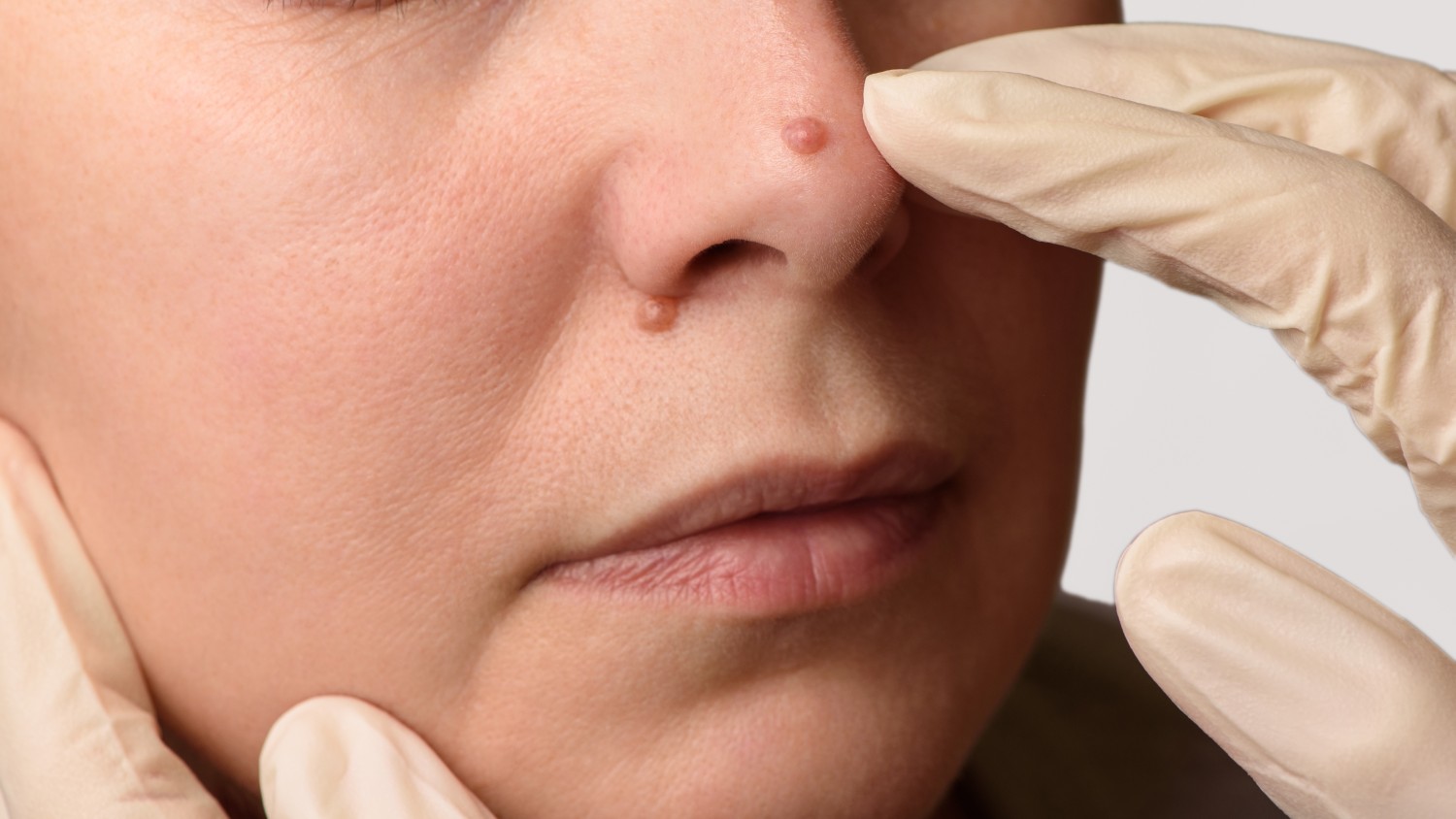
Mole removal is a common dermatological procedure sought by many for both cosmetic preferences and preventive health measures. When considering Mole Removal in Abu Dhabi, understanding the recovery timeline is essential for managing expectations and ensuring the best aesthetic outcome. While the procedure itself is often quick, the body’s natural healing mechanism follows a specific biological sequence that requires patience and proper care.
- Proactive Health Management: Identifying and removing irregular moles is a key step in skin health surveillance.
- Procedural Overview: The removal process is generally straightforward, involving minor intervention to excise the skin lesion.
- Healing Variables: Recovery time is not universal; it depends heavily on the technique used and the individual’s skin type.
- Aesthetic Goals: Proper post-procedural care is the primary factor in minimizing visible marks and achieving smooth skin.
The Biological Phases of Skin Healing
The journey from a fresh excision to fully recovered skin involves several intricate stages. Your body initiates a complex repair mission the moment the mole is removed.
The Inflammatory Phase
Immediately following the procedure, the body sends white blood cells to the area to clear out any debris and prevent external irritants from affecting the site. This phase usually lasts for the first 2 to 5 days. You might notice slight pinkness or a feeling of tightness as the blood flow increases to the localized area to facilitate repair.
The Proliferative Phase
Once the site is stabilized, the body begins rebuilding the tissue. This is known as the proliferative phase, where collagen fibers are laid down to fill the gap left by the mole. New skin cells begin to migrate across the wound. This stage typically spans from one week to three weeks.
The Maturation Phase
The final stage is the remodeling or maturation phase. This is the longest part of the journey. During this time, the initial collagen is replaced with stronger, more organized collagen. The pinkish hue of the new skin gradually fades to match the surrounding tissue. This can take anywhere from several months to a year to fully conclude.
Factors Influencing the Healing Timeline
Not all mole removals heal at the same rate. Several internal and external factors dictate how quickly your skin will return to its normal state.
Method of Removal
The technique used by a specialist plays a significant role. Shave excisions, which only remove the surface layer of the skin, typically heal faster than surgical excisions that require sutures. Surface-level procedures may see a scab form and fall off within a week, whereas deeper removals require more time for the underlying tissue to knit back together.
Location on the Body
Skin tension and blood supply vary across the body. Moles removed from the face tend to heal faster because the facial area has an exceptionally rich blood supply, which delivers healing nutrients quickly. Conversely, removals on the legs or back may take longer because the skin is under more constant tension from movement, and circulation is less robust than in the upper body.
Individual Age and Health
As we age, the rate of cell turnover naturally slows down. Younger individuals often see faster skin regeneration compared to older adults. Additionally, general health factors—such as hydration levels and nutritional status—play a silent but vital role in how efficiently the body produces the proteins necessary for skin repair.
Immediate Post-Procedural Care
The first 48 hours are critical for setting the stage for a smooth recovery. Taking specific steps during this window can significantly reduce the total healing time.
Keeping the Area Clean
Hygiene is the cornerstone of recovery. Gently cleansing the area as per professional guidance ensures that the delicate new cells can grow without interference. Avoiding harsh soaps or abrasive scrubbing is essential, as the goal is to protect the fragile “bridge” of new skin forming across the site.
The Role of Moisture
Modern dermatology emphasizes “moist wound healing.” Keeping the site covered with a thin layer of protective ointment and a clean bandage prevents a hard crust or scab from forming. When a wound is kept moist, skin cells can migrate more easily across the surface, which often results in a faster healing process and a less noticeable mark.
Avoiding Physical Strain
If the mole was in an area prone to stretching—like the shoulder or knee—limiting intense physical activity for a few days is beneficial. Excessive movement can pull at the healing edges of the wound, potentially widening the eventual mark or slowing down the closure of the skin.
Long-Term Maintenance and Skin Protection
After the initial wound has closed, the “new” skin remains sensitive and vulnerable to environmental factors.
Sun Protection and UV Defense
The most important rule of long-term healing is sun protection. Newly healed skin lacks the full pigment density of the surrounding area and is highly susceptible to darkening when exposed to UV rays. Applying a broad-spectrum shield and keeping the area shaded ensures that the pinkness fades naturally rather than turning into a permanent dark spot.
Massaging the Site
Once the skin is fully closed and no longer sensitive, some find that gentle massage of the area can help. Massaging helps break up dense collagen bundles, encouraging the tissue to remain supple and blend in with the texture of the surrounding skin. This is usually started several weeks after the procedure.
What to Expect During the First Month
A month-by-month breakdown helps in tracking whether your recovery is on the right path.
Week 1: The Scab Stage
During the first week, a scab or a protective layer will likely form. It is imperative not to pick at this. Picking a scab is essentially resetting the healing clock and increasing the likelihood of a visible indentation.
Weeks 2 to 4: The Pink Phase
By the end of the first month, the scab will have fallen off naturally, revealing fresh, pink skin underneath. This pinkness is a sign of healthy blood flow and active remodeling. It is perfectly normal and indicates that the body is still working hard beneath the surface.
Frequently Asked Questions
1. Will the skin look normal immediately after the scab falls off?
No, the skin will typically appear bright pink or reddish once the scab sheds. This is because the new tissue is thin and filled with tiny blood vessels. It usually takes several weeks to months for this color to gradually fade and match your natural skin tone.
2. Can I apply makeup over the area while it is healing?
It is generally advised to wait until the skin has completely closed and any scabbing has naturally resolved before applying cosmetics. Applying makeup to an open or raw site can introduce irritants that may slow down the natural recovery process.
3. How does hydration affect the healing of a mole removal site?
Hydration is vital. Water supports the transport of nutrients to the skin cells and helps maintain the elasticity of the surrounding tissue. Well-hydrated skin tends to recover more efficiently and shows better overall texture following a procedure.
4. Is it normal for the area to feel itchy during recovery?
Yes, itching is a common sign that the nerves in the skin are reacting to the healing process and that new tissue is forming. However, it is important to avoid scratching the site, as this can damage the delicate new skin cells. Using a recommended moisturizer can often help soothe this sensation.