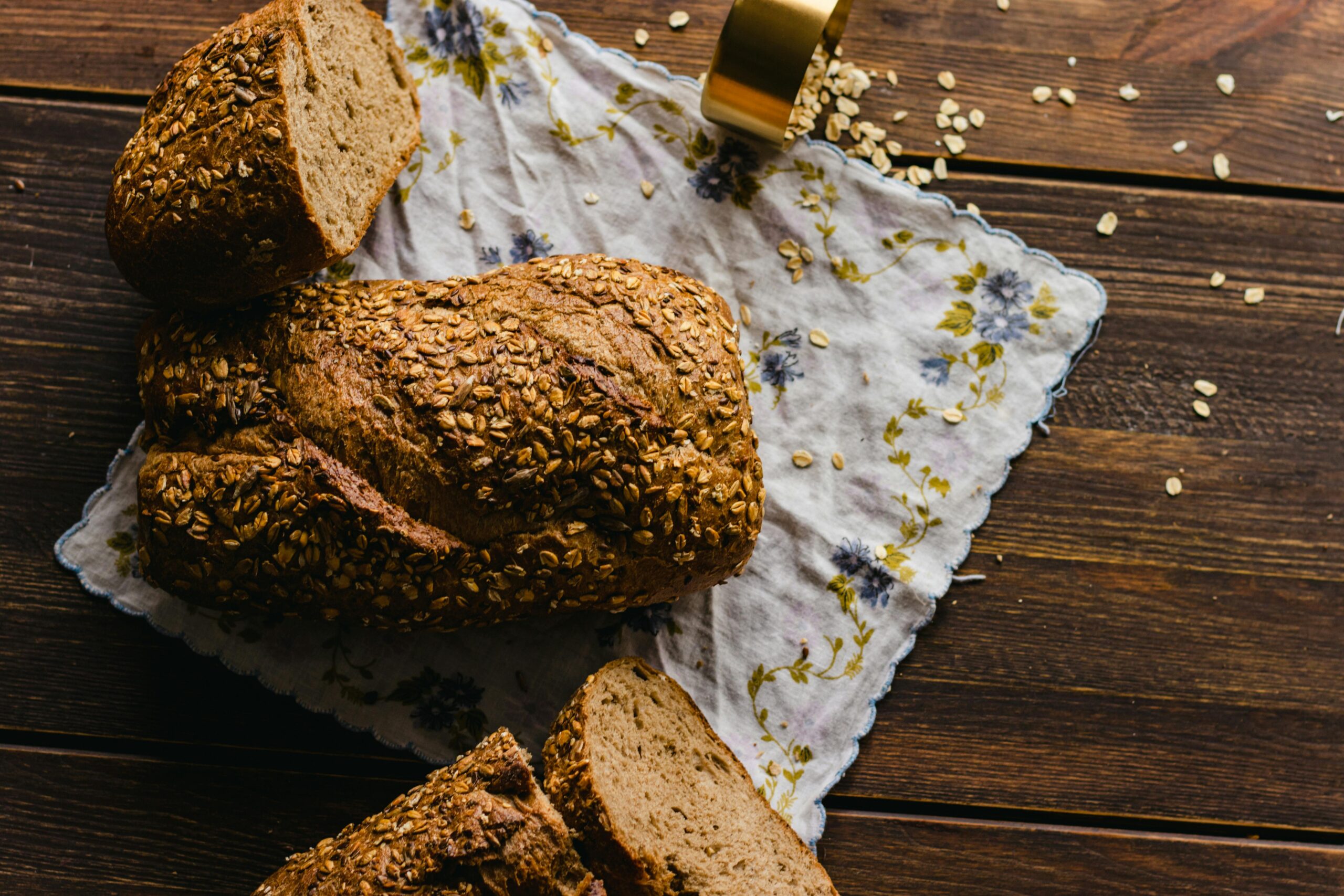
In recent years, there has been a noticeable shift in the baking world toward more wholesome and traditional ingredients. Among these, ancient grains like einkorn, spelt, and Kamut have gained significant attention. While many bakers still rely on bread flour as their primary ingredient, incorporating these ancient grains can dramatically transform both the texture and nutritional value of baked goods. Understanding how they work alongside bread flour can open up new possibilities for both beginner and experienced bakers.
What Makes Ancient Grains Unique?
Ancient grains are varieties of wheat and other cereals that have remained largely unchanged for thousands of years. Unlike modern wheat used in bread flour, which has been selectively bred for consistency and yield, ancient grains maintain their original genetic composition. This means they often contain different gluten structures, nutrient profiles, and flavours.
Einkorn is considered the oldest known wheat, offering a simpler gluten structure and a slightly sweet flavour. Spelt has been widely used in Europe for centuries and is known for its mild, nutty taste. Kamut, or Khorasan wheat, is recognised for its large kernels and rich, buttery flavour.
The Role of Bread Flour in Modern Baking
Bread flour is valued for its high protein content, which contributes to strong gluten development. This is what gives bread its structure, elasticity, and ability to rise properly. When using bread flour alone, bakers can expect consistent results with a chewy texture and well-formed crumb.
However, when ancient grains are introduced, the behaviour of the dough changes. This is why many bakers choose to combine bread flour with einkorn, spelt, or Kamut rather than replacing it entirely.
How Ancient Grains Affect Dough Behaviour
Each ancient grain interacts differently with bread flour. Einkorn, for example, has weaker gluten, resulting in a softer and stickier dough. It requires less kneading and benefits from gentle handling. Spelt, while containing gluten, is more delicate and can break down if overworked. Kamut has a higher protein content but still produces a softer dough compared to traditional bread flour.
Blending these grains with bread flour allows bakers to maintain structure while experimenting with new textures. A mix of 70% bread flour and 30% ancient grain flour is often a good starting point.
Texture Transformations You Can Expect
One of the most exciting aspects of using ancient grains is how they change the texture of bread. Einkorn tends to create a tender, slightly dense crumb that feels moist and rich. Spelt produces a lighter loaf but requires careful fermentation to avoid collapse. Kamut offers a pleasantly chewy texture with a more substantial bite.
When combined with bread flour, these grains create a balanced texture that is both airy and flavorful. The result is bread that feels more artisanal and less processed.
Flavour Depth and Complexity
Ancient grains bring a level of flavour complexity that standard bread flour alone often lacks. Einkorn has a subtle sweetness that works well in both savoury and sweet recipes. Spelt offers a mild, earthy taste, while Kamut delivers a rich, buttery flavour that enhances the overall profile of the bread.
These natural flavours allow bakers to reduce added sugars and artificial ingredients, resulting in a more authentic and satisfying loaf.
Nutritional Benefits of Ancient Grains
In addition to their flavour and texture, ancient grains are known for their superior nutritional value. Compared to modern wheat used in bread flour, they often contain higher levels of protein, fibre, and essential nutrients.
Einkorn is rich in antioxidants and carotenoids, which support overall health. Spelt provides important minerals like iron and magnesium, while Kamut is particularly high in selenium, a powerful antioxidant. By combining these grains with bread flour, bakers can create bread that is both nutritious and delicious.
Practical Tips for Baking Success
When working with ancient grains, it’s important to adjust your baking techniques. Start by replacing a small portion of your bread flour and gradually increase the ratio as you become more comfortable.
Pay close attention to hydration, as ancient grains may absorb water differently. You may need to add more liquid to achieve the desired dough consistency. Additionally, avoid over-kneading, especially when using spelt, as it can weaken the dough structure.
Final Thoughts
Incorporating ancient grains into your baking routine is a rewarding way to enhance both flavour and nutrition. While bread flour remains essential for structure and consistency, blending it with einkorn, spelt, and Kamut allows for greater creativity and variety. With a bit of experimentation, you can create bread that is not only delicious but also rich in history and health benefits.