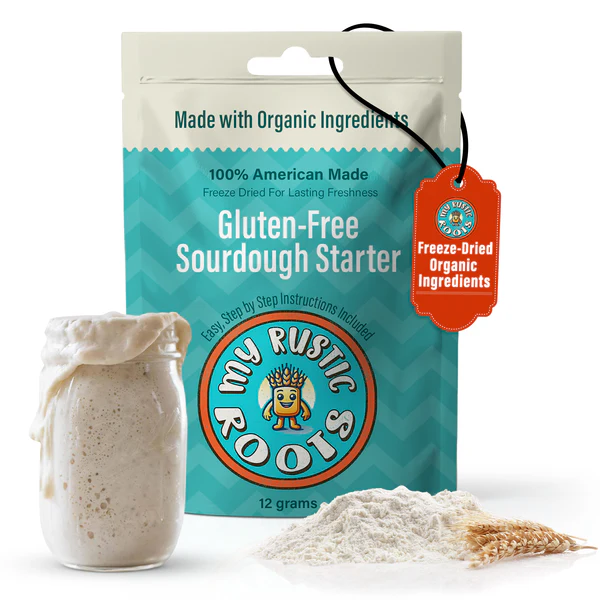
A sourdough starter is the foundation of authentic, homemade sourdough bread. Whether you’re just starting your baking journey or looking to refine your skills, understanding how a starter works can completely transform your results and take your bread to the next level.
In the United States, sourdough baking has become incredibly popular in recent years. This rise is largely due to its natural fermentation process, health benefits, and rich, complex flavor that you simply can’t get from store-bought bread. Thanks to modern options like a freeze-dried sourdough starter, even beginners can easily start baking without the stress of building a starter from scratch.
In this comprehensive guide, you’ll learn everything about sourdough—from creating and maintaining a starter to choosing the right sourdough baking supplies and tools for the best results.
What Is a Sourdough Starter?
A sourdough starter is a living mixture of flour and water that naturally ferments over time. During this process, it develops wild yeast and beneficial bacteria, forming a powerful sourdough starter culture that allows bread to rise without the use of commercial yeast.
This natural fermentation is what gives sourdough its unique characteristics.
Key Characteristics:
- Natural fermentation process
- Tangy, complex flavor
- Improved digestibility
- No need for store-bought yeast
This traditional method has been used for centuries and continues to be a favorite among artisan bakers and home baking enthusiasts alike.
Types of Sourdough Starters
There are several types of sourdough starters available today, each suited for different skill levels and preferences.
1. Traditional Sourdough Bread Starter
A sourdough bread starter is created from scratch using just flour and water. Over time, it captures wild yeast from the environment and develops into a strong, active culture.
Best for:
- Experienced bakers
- Full control over flavor and fermentation
- Custom baking styles
While rewarding, this method requires patience and consistent feeding.
2. Organic Sourdough Starter
An organic sourdough starter is made using organic flour, ensuring a cleaner and more natural fermentation process.
Benefits:
- Free from chemicals and pesticides
- Healthier baking option
- Enhanced flavor profile
- Ideal for clean eating lifestyles
This type of starter is especially popular among health-conscious bakers in the United States.
3. Freeze-Dried Sourdough Starter
A freeze-dried sourdough starter is a modern solution that preserves a live starter culture through advanced drying techniques.
Advantages:
- Easy to activate
- Long shelf life
- Minimal maintenance
- Perfect for beginners
This option is ideal if you want convenience without sacrificing quality.
How to Make or Activate a Sourdough Starter
You have two main options: create your own starter or activate a ready-made one.
Creating a Starter from Scratch:
- Mix equal parts flour and water
- Let it sit at room temperature
- Feed it daily with fresh flour and water
- Wait 5–7 days for it to become active
This process builds a strong and natural sourdough starter culture, but it requires patience and consistency.
Activating a Ready-Made Starter:
- Add water to the dried starter
- Mix in flour
- Stir well and cover loosely
- Feed daily until bubbly and active
Your starter is ready when:
- It doubles in size
- It has a pleasant sour smell
- It shows bubbles and activity
Essential Sourdough Baking Supplies
To achieve the best results, you need the right sourdough baking supplies. Good ingredients and proper setup play a major role in successful baking.
Must-Have Supplies:
- High-quality flour (preferably unbleached or organic)
- Filtered water
- Mixing bowls
- Storage jars for your starter
Using quality supplies ensures better fermentation, improved flavor, and consistent baking results.
Sourdough Baking Tools You Need
The right sourdough baking tools can make your baking process easier, more efficient, and more professional.
Recommended Tools:
- Digital kitchen scale (for accurate measurements)
- Dough scraper (for handling sticky dough)
- Proofing basket (banneton) for shaping
- Bread lame (for scoring the dough)
These tools help improve dough handling, structure, and final presentation of your bread.
How to Bake Sourdough Bread
Once your starter is active, baking sourdough bread becomes a simple yet rewarding process.
Basic Ingredients:
- Active sourdough starter
- Flour
- Water
- Salt
Step-by-Step Process:
- Mix all ingredients together
- Allow bulk fermentation (4–6 hours)
- Shape the dough
- Let it proof overnight
- Bake in a preheated oven
The final result is a beautiful loaf with a crispy crust, airy crumb, and rich flavor that reflects true artisan baking.
Tips for Maintaining Your Sourdough Starter
Keeping your starter healthy is essential for consistent baking success.
Best Practices:
- Feed your starter regularly
- Store it in the refrigerator if not in use
- Use clean containers
- Avoid chlorinated water
A well-maintained sourdough starter can last for years and even improve in flavor over time.
Common Mistakes to Avoid
Many beginners face challenges, but most mistakes are easy to fix.
Avoid These:
- Inconsistent feeding schedule
- Using low-quality flour
- Ignoring fermentation time
- Overcomplicating the process
Stick to simple methods, and your results will improve quickly.
🇺🇸 Why Sourdough Baking Is Trending in the United States
Sourdough baking has seen massive growth in the United States for several reasons:
- Increased interest in homemade food
- Health-conscious lifestyles
- Preference for natural fermentation
- Rise of home-based hobbies
Additionally, products like freeze-dried sourdough starter have made it easier than ever for beginners to start baking at home.
Choosing the Best Sourdough Starter
When selecting a starter, consider the following factors:
- Ingredient quality
- Ease of use
- Customer reviews
- Type (organic, dried, or fresh)
A high-quality sourdough bread starter ensures better flavor, reliable fermentation, and a more enjoyable baking experience.
Conclusion
A sourdough starter is the key to baking delicious, artisan-quality bread at home. Whether you prefer the traditional method or the convenience of a freeze-dried sourdough starter, the process is both rewarding and enjoyable.