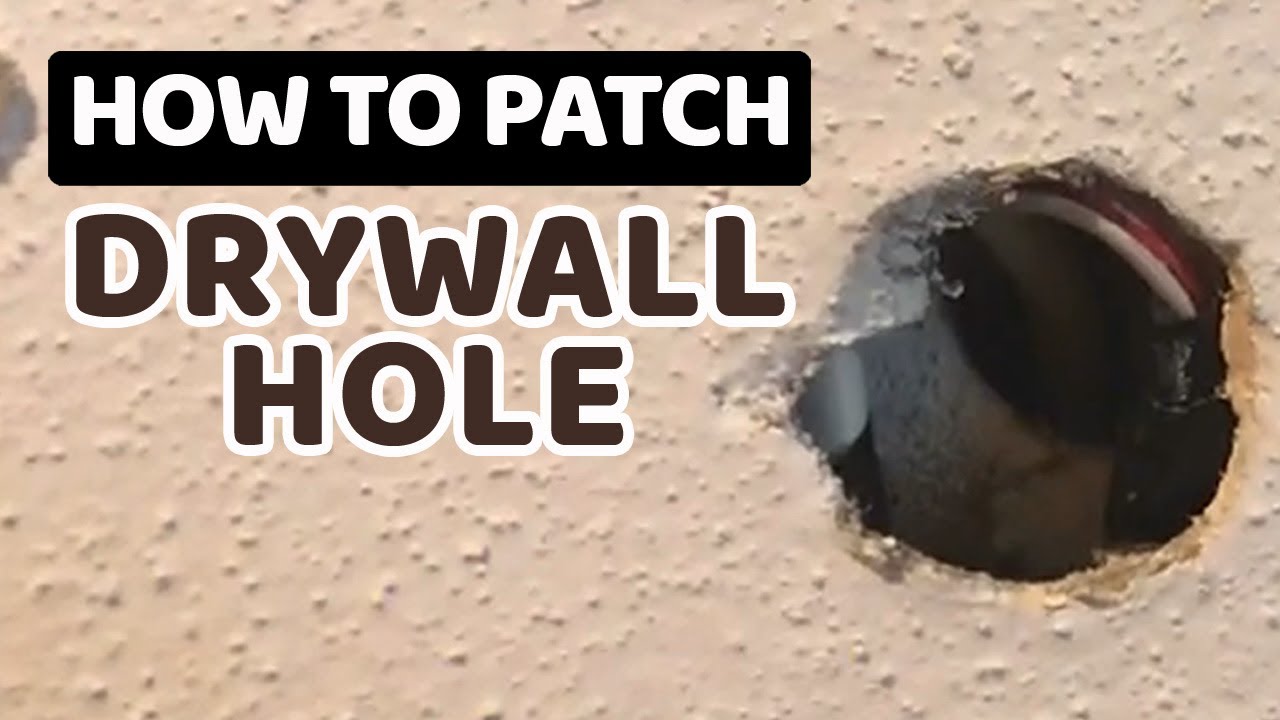
Repairing holes in your walls can seem daunting, but with the right techniques and materials, even a beginner can restore a smooth, professional finish. Whether your wall is drywall or plaster, small holes from nails or accidents to larger damage can be effectively patched with proper preparation. The key is understanding the type of wall, choosing the right materials, and using tools that ensure a clean repair. This guide provides step-by-step instructions, tips, and recommendations for a long-lasting wall patch. By following these strategies, you can maintain the aesthetics of your home and prevent further wall damage.
1. Identify the Type of Wall Damage
Before starting any repair, it’s crucial to identify whether your wall is drywall or plaster. Drywall is made of gypsum and paper layers, while plaster consists of a harder, cement-like finish applied over lath. Assessing the size and depth of the hole helps you determine whether you need a simple patch or a more involved repair. For small nail holes, spackling may suffice. For larger cracks or damaged plaster, you might need mesh tape or a patch kit. Understanding the wall’s condition prevents improper fixes that could lead to cracking or uneven surfaces. Always inspect surrounding areas for hairline cracks, water damage, or loose plaster that may affect the repair. Proper identification saves time and ensures a professional-looking result.
Gather Essential Tools and Materials
Having the right tools is critical for a smooth repair. Essential items include:
- Putty knife and plaster trowel
- Sandpaper or sanding block
- Utility knife and drywall saw
- Spackling or joint compound
- Plaster patch for plaster walls
- Mesh tape for reinforcement
- Primer and paint
- Gloves and dust mask
High-quality materials and organized tools reduce errors and improve results. Preparing everything beforehand saves time and ensures a professional-looking finish.
3. Prepare the Damaged Area
Proper preparation ensures a strong bond between the repair material and the wall surface. Start by cleaning the area around the hole to remove dust, loose paint, and debris. Use a utility knife to create a clean, square or round edge around the damaged area. For larger holes, remove any loose drywall or plaster fragments. In plaster walls, gently tap around the hole to detect hollow or cracked areas. This step helps prevent future crumbling after the patch is applied. Prepping the area also improves adhesion of spackle or plaster, ensuring a seamless finish. Skipping this step may cause uneven surfaces or peeling later. Always aim for a smooth, clean base before applying repair compounds.
4. Choose the Right Patch Method
Different hole sizes and wall types require different patching techniques. For tiny holes, a dab of spackling compound with a putty knife may be enough. For medium-sized drywall holes, use a self-adhesive patch or mesh tape to reinforce the area before applying joint compound. Large holes may require cutting a piece of drywall to fit and screwing it into place, followed by taping and mudding. Plaster repairs often need a plaster mix applied in thin layers to match the surrounding texture. Choosing the correct method reduces the risk of cracks, uneven surfaces, or visible repair marks. Evaluate your wall damage carefully to select the most effective technique.
5. Apply the Repair Material
Once the area is prepared and patched appropriately, it’s time to apply the repair compound. Use a putty knife to spread spackling or joint compound evenly over the hole, feathering edges to blend with the surrounding wall. For larger holes, apply multiple thin layers rather than one thick layer to prevent cracking. Allow each layer to dry according to the manufacturer’s instructions before sanding. For plaster walls, use a plaster trowel to achieve the correct texture and smoothness. Smooth application ensures the repair is almost invisible once painted. Proper technique here is crucial for a professional finish and long-lasting results.
6. Sand the Surface Smooth
After the repair compound dries completely, sanding is essential for a seamless wall. Start with medium-grit sandpaper to remove excess material, then finish with fine-grit for a polished surface. Use a sanding block for even pressure and avoid gouging the repair area. Wear a dust mask to prevent inhaling fine particles. Sanding not only smooths the patch but also helps the primer and paint adhere better. Check for any indentations or uneven spots and apply an additional thin layer of compound if necessary. Taking your time with sanding ensures the patched area is virtually indistinguishable from the rest of the wall.
7. Prime the Patched Area
Priming is a critical step before painting, especially for drywall repairs. Apply a coat of high-quality primer over the patched area to seal the repair compound and prevent paint from soaking unevenly. This step helps match the finish and color of the surrounding wall. Use a brush or roller, depending on the size of the repair, and allow the primer to dry fully. Priming also strengthens the repaired surface, reducing the chance of cracks over time. For textured walls, lightly texture the primer layer to blend with existing patterns. Proper priming ensures your final paint coat looks smooth and uniform.
8. Paint and Finish
After priming, apply paint that matches the surrounding wall. For small patches, a brush may be sufficient; for larger areas, use a roller for a uniform finish. Apply thin, even coats and allow each to dry completely before adding additional layers. Feather paint edges to blend the patch seamlessly into the wall. For textured walls, lightly dab a sponge or roller to replicate the surrounding pattern. Inspect the finished area for visible lines or inconsistencies. With careful painting, your repair should be virtually invisible and restore the aesthetic appeal of your wall.
9. Maintenance and Preventive Tips
Once your wall is patched and painted, maintaining its condition is key to long-term durability. Avoid hanging heavy items directly on newly repaired spots for several days. Monitor for signs of cracking, peeling, or water damage in the area. Regularly inspect walls for minor dents and patch them promptly to prevent worsening damage. Use wall protectors or bumpers in high-traffic areas. Proper care prolongs the life of your repair and ensures your home’s walls remain smooth and attractive. Following preventive measures helps avoid future repairs and keeps your wall in pristine condition.
Conclusion
Patching holes in walls is an essential skill for both homeowners and professionals alike. Whether you’re a DIY enthusiast or a team of commercial painters, knowing how to properly repair drywall or plaster ensures smooth, long-lasting results. For house painters, mastering these techniques helps maintain the aesthetic appeal of residential spaces, while commercial painters benefit from quick, durable fixes in high-traffic areas. From identifying the type of wall damage to applying the right patch, sanding, priming, and finishing, every step contributes to a professional-looking outcome. Regular maintenance and preventive measures further extend the life of your repairs. By following these best practices, both house painters and commercial painters can achieve flawless walls, saving time and enhancing overall property value.