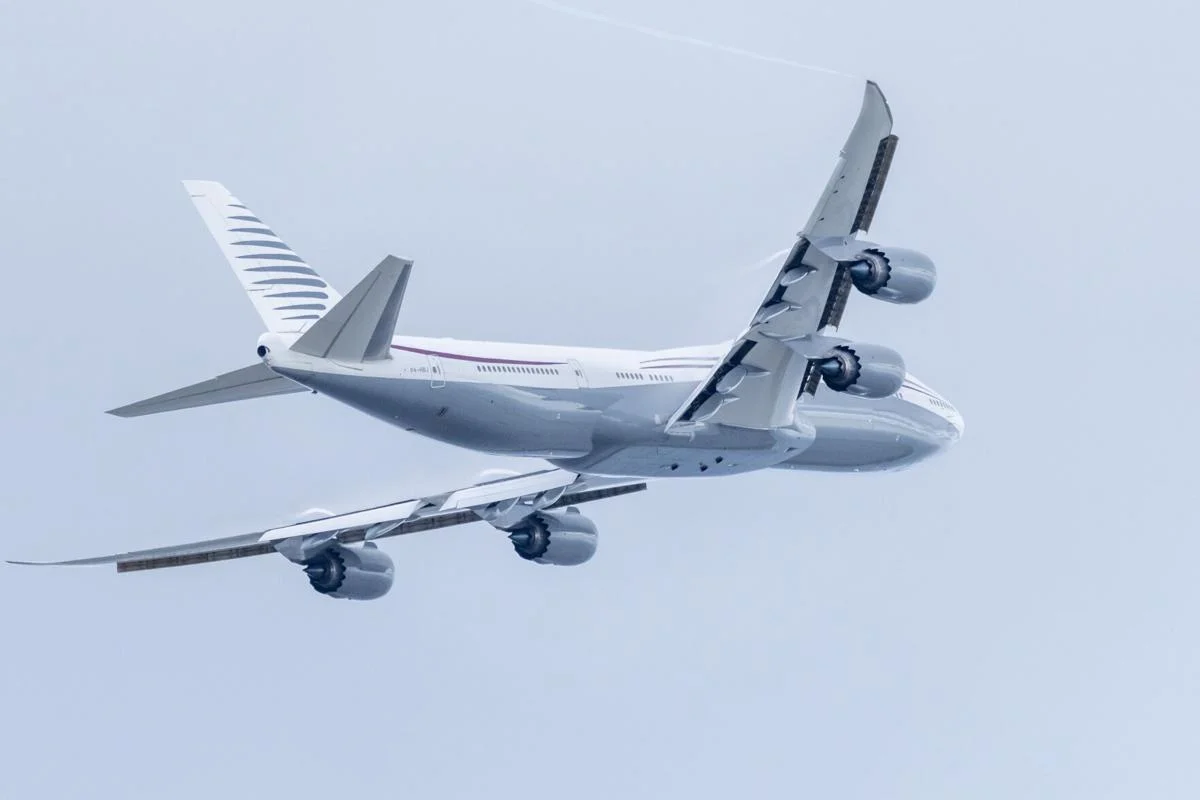
An AOG event involving the Boeing 777 APU is not a routine maintenance inconvenience. It is a time-sensitive operational crisis with direct revenue consequences. The Honeywell GTCP331-350C is the APU fitted to the Boeing 777, one of the most widely operated wide-body aircraft in commercial service. When this unit requires unscheduled removal, the operator’s ability to source a replacement quickly determines how long the aircraft stays on the ground.
Why the 777 APU Creates Unique Sourcing Pressure
The Boeing 777 is a high-utilization wide-body aircraft. For most airlines, it operates long-haul international routes where a single grounded aircraft can affect thousands of passengers, disrupt connecting traffic across multiple stations, and generate significant rebooking and compensation costs. Unlike narrow-body aircraft, where APU MEL dispatch is more operationally straightforward, the 777’s size and operational profile mean that extended APU inoperability carries disproportionate commercial exposure.
The GTCP331-350 is a high-output APU designed specifically for the 777’s electrical and pneumatic demands. It is not interchangeable with APUs from other Boeing platforms, and the pool of available serviceable units in the global market at any given time is smaller than that of the more common narrow-body APU models. When an airline needs one quickly, availability and response speed become the primary variables.
The AOG Timeline: Where Hours Become Revenue
Understanding where time is lost during an APU AOG helps operators build a sourcing strategy before the event happens rather than after.
The typical sequence runs as follows: the APU is removed during a scheduled or unscheduled maintenance event, a replacement unit is identified through the operator’s supply chain, documentation is reviewed and approved, logistics are arranged, and the unit is installed and returned to service. Each of those steps takes time, and delays at any point extend the AOG.
Common delay points include:
- Incomplete documentation on the replacement unit that requires clarification or supplemental records
- Units that are technically available but located in a region that adds transit time
- Units with LLP limiters that fall outside the operator’s minimum acceptance criteria
- AD compliance gaps that require additional verification before installation approval
A supplier with pre-positioned serviceable inventory and complete documentation packages on hand eliminates most of these delays before they start.
What a Compliant GTCP331-350C Should Include
Before an operator accepts a replacement GTCP331-350C for installation, the unit’s documentation must meet a defined standard. The following records are required at a minimum:
- Certificate of Conformity specifying part number, serial number, and condition
- TSN, CSN, TSO, CSO, and current LLP limiter status
- Non-incident statement confirming no involvement in an accident, incident, or exposure to extreme stress, heat, flood, fire, or corrosive storage conditions
- Full AD compliance records, including AD number, amendment, compliance date, and method
- Trace to last airline operator or OEM source with continuous ownership history
- Signed and dated documentation from the certifying repair station for any overhauled or repaired work performed
Units missing any of these records cannot be cleared for installation without additional investigation, which adds time and cost to the AOG event. Sourcing from a supplier who maintains documentation-complete inventory is the single most effective way to compress the return-to-service timeline.
The Role of Asset Positioning in AOG Response
Response speed for a GTCP331-350 AOG depends heavily on where serviceable inventory is physically located. A supplier with assets staged across global hubs can respond to an AOG in North America, Europe, or Asia-Pacific in materially different timeframes than one operating from a single warehouse location.
For 777 operators, this geographic dimension should be part of the supplier evaluation process. An asset that meets all technical and documentation requirements but requires multi-day air freight from a distant location may still produce an extended AOG. The combination of asset quality, documentation completeness, and logistics speed is what determines actual return-to-service performance.
Building an AOG Strategy Before the Event Occurs
The most effective AOG response begins before any removal happens. Fleet teams and procurement managers who establish relationships with APU lessors in advance, understand what inventory is available and where, and review acceptance criteria against their MEL and return-to-service standards are far better positioned to act decisively when a removal occurs.
For Boeing 777 operators, the GTCP331-350C is a low-frequency but high-impact sourcing challenge. The narrow supply pool, the wide-body’s commercial profile, and the documentation requirements specific to this model make advance supplier qualification a standard part of responsible fleet management.